Russia Ukraine Ceasefire 2026: 5 Critical Impacts on Ghana
Russia Ukraine ceasefire 2026 talks are moving oil, wheat & fertilizer prices. See the direct impact on Ghana import costs & food prices — act now.


Could a fragile peace deal thousands of miles away determine what Ghanaians pay for bread, fuel, and fertilizer in 2026? As Russia-Ukraine ceasefire 2026 negotiations intensify, global commodity markets are reacting — and Ghanaian small businesses are caught in the crossfire of price swings they didn’t create and can barely control.
In this article, you’ll learn exactly how these geopolitical shifts are moving oil, wheat, and fertilizer prices, and what practical steps your business can take right now to protect your margins.
Where the Russia-Ukraine Ceasefire Talks Stand in 2026
As of mid-2026, ceasefire negotiations between Russia and Ukraine have progressed through multiple rounds of talks mediated by international actors including the United States and several European nations. According to reporting by Reuters, discussions have centered on territorial boundaries, security guarantees, and the lifting of select economic sanctions — all of which carry enormous implications for global commodity supply chains.
Markets hate uncertainty. But they also react sharply to hope. Every diplomatic breakthrough — or breakdown — sends ripples through commodity exchanges in Chicago, London, and Dubai, ultimately landing on the shelves of shops in Accra, Kumasi, and Takoradi.
5 Critical Ways Ceasefire Talks Are Moving Global Commodity Prices
1. Crude Oil Prices: Volatility Is the New Normal
Global oil prices have experienced significant turbulence in 2026. When ceasefire signals strengthen, Brent crude tends to dip as markets anticipate a partial restoration of Russian energy exports to Europe. When talks stall, prices spike again.
For Ghana — which imports refined petroleum products — this volatility directly affects pump prices, transport costs, and the operational expenses of every business that moves goods. The National Petroleum Authority (NPA) adjusts fuel pricing windows regularly, but businesses absorb the lag.
2. Wheat and Grain Prices: Bread Baskets Under Pressure
Russia and Ukraine together account for a substantial share of global wheat exports. The UN Food and Agriculture Organization (FAO) has consistently flagged the Black Sea corridor as critical to global food security. Ceasefire progress in 2026 has partially reopened grain shipping routes, causing wheat futures to ease from their 2024–2025 highs.
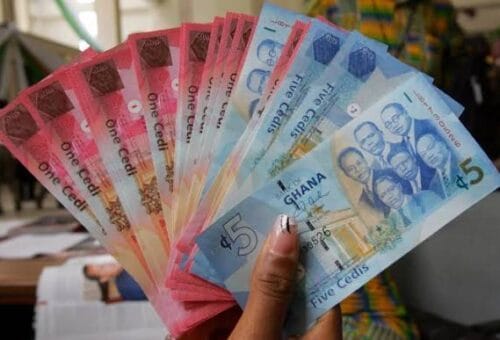
However, the relief is uneven. Ghana food prices 2026 remain elevated because the cedi’s depreciation against the dollar means cheaper global wheat doesn’t always translate to cheaper flour in Accra. Importers still pay more in local currency terms.
Bakeries, restaurants, and food processors in Ghana are feeling this acutely. A small bakery in Tema that imports flour is navigating both the global wheat market and the forex market simultaneously — a double burden.
3. Fertilizer Costs: A Hidden Crisis for Agribusiness
Russia is one of the world’s largest exporters of fertilizer, including nitrogen, potash, and phosphate-based products. Sanctions and supply disruptions since 2022 sent fertilizer prices to historic highs. In 2026, partial diplomatic progress has begun easing some of these restrictions, but supply chains remain fragmented.
For Ghanaian farmers and agribusinesses — particularly those growing maize, cocoa, and vegetables — fertilizer costs represent a major input expense. Industry research from the African Fertilizer and Agribusiness Partnership suggests that fertilizer affordability remains a top constraint for smallholder farmers across West Africa.
If you’re in agricultural supply or agro-processing, this is the commodity to watch most closely in the second half of 2026. You should also review your Ghana agricultural input cost guide to benchmark your current spending.
4. Import Costs Ghana 2026: The Cedi Factor Amplifies Everything
Global price movements don’t hit Ghana in isolation. Import costs Ghana 2026 are shaped by a combination of global commodity prices, shipping freight rates, and the Ghana cedi’s exchange rate against the US dollar and euro.
Even when global wheat or oil prices stabilize, a weakening cedi means Ghanaian importers pay more. This is a structural challenge that geopolitical peace deals alone cannot fix. Businesses need to build forex risk management into their financial planning — not treat it as an afterthought.
Consider working with your bank or a licensed forex bureau to explore forward contracts or payment timing strategies that reduce your exposure to sudden currency moves. For a deeper look at managing this, explore our forex risk management for Ghanaian SMEs.
5. Shipping and Freight Rates: Quiet Improvements on the Horizon
The Russia-Ukraine conflict disrupted global shipping insurance rates and rerouted significant cargo traffic. As ceasefire prospects improve in 2026, maritime insurance premiums for Black Sea routes have begun declining, according to industry observers at Lloyd’s List.
Lower freight costs could gradually reduce the landed cost of imported goods at Tema Port — a meaningful relief for importers of electronics, raw materials, and consumer goods. However, experts generally recommend that businesses not bank on these savings materializing quickly; logistics chains take months to normalize.
What This Means for Ghanaian Small Business Owners Right Now
The core challenge for small businesses in Ghana is that you operate at the end of a very long global supply chain. You absorb price shocks last and recover slowest. But that doesn’t mean you’re powerless.
Here are immediate actions worth considering:
- Diversify your suppliers: Reduce dependence on single-source imports. Explore regional alternatives within ECOWAS for staple inputs where possible.
- Review your pricing strategy: Build commodity price review clauses into your contracts with clients so you’re not locked into unprofitable fixed prices during volatile periods.
- Monitor the NPA fuel pricing window: Fuel price changes in Ghana follow a bi-weekly review cycle. Timing large logistics runs around these windows can yield small but meaningful savings.
- Engage your trade associations: The Ghana Union of Traders Association (GUTA) and sector-specific bodies often negotiate bulk import deals or provide early intelligence on price movements.
- Build a 60-day commodity buffer: Where storage is feasible — flour, fertilizer, packaging materials — buying ahead during price dips is a proven small business strategy in volatile markets.
Tech-savvy business owners should also be leveraging commodity price tracking tools and apps. Platforms that aggregate real-time futures data can give you a 2–4 week forward view on price trends, allowing smarter procurement decisions. Check out our best commodity price tracking tools for Ghana businesses for curated recommendations.
The Bigger Picture: Geopolitical Risk Is a Permanent Business Variable
In practice, the lesson from 2022 through 2026 is that geopolitical events are no longer background noise for Ghanaian businesses — they are a core operating variable. The Russia-Ukraine conflict demonstrated how a war in Eastern Europe can raise the price of bread in Accra within weeks.
As ceasefire talks in 2026 continue, the direction of global commodity prices Ghana businesses face will hinge on whether diplomatic progress holds, whether sanctions are eased, and whether Black Sea shipping routes fully reopen. None of these outcomes are certain.
What is certain: businesses that build geopolitical awareness into their planning cycles will outperform those that don’t.
Key Takeaways
- Russia-Ukraine ceasefire 2026 negotiations are directly influencing global oil, wheat, and fertilizer prices — all critical inputs for Ghanaian businesses.
- Ghana food prices 2026 remain elevated due to a combination of global commodity volatility and cedi depreciation against the dollar.
- Import costs Ghana 2026 are shaped by both international price movements and local forex dynamics — businesses must manage both.
- Fertilizer costs remain a hidden pressure point for agribusinesses and farmers, with only partial relief from diplomatic progress.
- Practical hedges include supplier diversification, commodity buffers, forward pricing clauses, and real-time price monitoring tools.
- Geopolitical risk is now a permanent business planning variable — not a one-off disruption.
Frequently Asked Questions
How are Russia-Ukraine ceasefire talks in 2026 affecting oil prices in Ghana?
Ceasefire progress tends to ease global oil prices as markets anticipate a partial restoration of Russian energy supply. However, Ghana imports refined petroleum products, so price relief at the global level is filtered through the NPA pricing mechanism and the cedi-dollar exchange rate before reaching local pump prices. Volatility remains high, and businesses should plan for continued fluctuation throughout 2026.
Why are Ghana food prices still high in 2026 even if global wheat prices ease?
Even when global wheat futures decline, Ghanaian importers pay in US dollars. If the cedi weakens against the dollar — which has been a persistent trend — the local cost of imported wheat flour can remain high or even increase despite global price improvements. Food processors and bakeries face this dual pressure constantly.
How can small Ghanaian businesses protect themselves from commodity price shocks?
Key strategies include building 60-day inventory buffers for storable inputs, negotiating price review clauses into supply contracts, diversifying to regional suppliers within ECOWAS, and using commodity price tracking tools for forward visibility. Engaging trade associations like GUTA for collective buying power is also highly effective.
What is the impact of Russia-Ukraine ceasefire talks on fertilizer prices for Ghanaian farmers?
Russia is a major global fertilizer exporter. Sanctions and conflict-related disruptions since 2022 drove fertilizer prices to record highs. While 2026 ceasefire progress has begun easing some supply constraints, fertilizer supply chains remain fragmented. Ghanaian farmers and agribusinesses should expect gradual — not immediate — price normalization, and should explore local and regional fertilizer sourcing alternatives in the interim.
Where can I track global commodity prices relevant to my Ghanaian business?
Reliable free resources include the FAO Food Price Index (fao.org), the World Bank Commodity Markets Outlook, and real-time futures data on platforms like TradingEconomics.com. For Ghana-specific context, the NPA website publishes bi-weekly fuel pricing updates, and the Ghana Statistical Service releases regular import price data. Setting up news alerts for key commodities is a zero-cost starting point.