Ghana Anti-Corruption 2026: 5 Critical Justice Questions
Ghana anti-corruption 2026 prosecutions are accelerating — but are they delivering real justice or political targeting? A critical expert analysis.

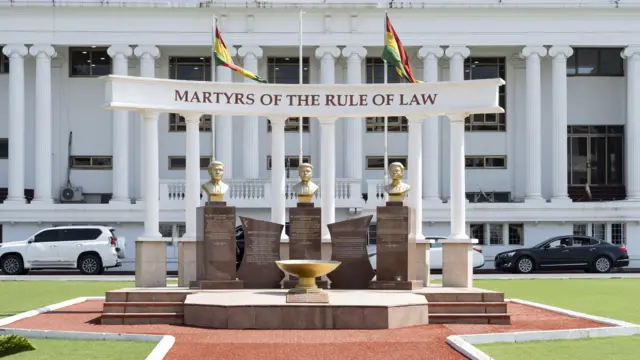
Is Ghana’s 2026 anti-corruption court campaign a genuine reckoning with impunity — or a politically weaponized legal apparatus? As high-profile prosecutions mount under the Mahama administration, that question is dividing legal scholars, civil society groups, and ordinary Ghanaians alike.
The State of Ghana’s Anti-Corruption Push in 2026
Ghana’s anti-corruption 2026 agenda has accelerated dramatically since the new administration took office. The Office of the Special Prosecutor (OSP) and the Attorney General’s department have jointly filed charges against dozens of former officials, contractors, and public servants — many affiliated with the previous NPP government.
On the surface, this looks like accountability in action. Ghana ranked 73rd out of 180 countries on Transparency International’s 2024 Corruption Perceptions Index, signaling persistent governance challenges that demand serious institutional response.
Who Is Actually Being Prosecuted?
A pattern has emerged that critics say is impossible to ignore. The overwhelming majority of individuals currently facing Ghana corruption court cases in 2026 held positions under the previous administration. Defenders of the prosecutions argue this is logical — you investigate those who were in power.
Skeptics counter that selective prosecution, even when legally sound, can function as political persecution by another name. The question is not merely whether crimes occurred, but whether the prosecutorial lens is being applied equally across party lines.
Key Cases Drawing Public Attention
- Procurement fraud allegations involving major infrastructure contracts awarded between 2017 and 2024
- Financial irregularities at state-owned enterprises flagged by the Auditor-General’s reports
- Alleged misappropriation of COVID-19 emergency funds — a case with significant public resonance
- Land acquisition disputes involving former ministers and politically connected businesspeople
The Legal Framework: Is It Strong Enough?
Ghana’s anti-corruption architecture includes the OSP, established under the Office of the Special Prosecutor Act (Act 959), the Economic and Organised Crime Office (EOCO), and the Commission on Human Rights and Administrative Justice (CHRAJ). In theory, this is a robust framework.
In practice, legal experts point to critical weaknesses. The OSP has historically struggled with funding constraints, staff retention, and — most critically — political interference. GhanaWeb and other domestic outlets have documented repeated instances where investigations stalled or were quietly shelved under previous administrations.
What Genuine Accountability Looks Like
For Ghana accountability 2026 efforts to be credible, legal scholars generally recommend three non-negotiable standards:
- Prosecutorial independence: The Attorney General must demonstrate freedom from executive direction on case selection
- Cross-party application: Investigations must visibly pursue wrongdoing regardless of party affiliation
- Due process integrity: Accused individuals must receive fair hearings without pre-trial media conviction

Public Sentiment: Cautious Optimism Meets Deep Cynicism
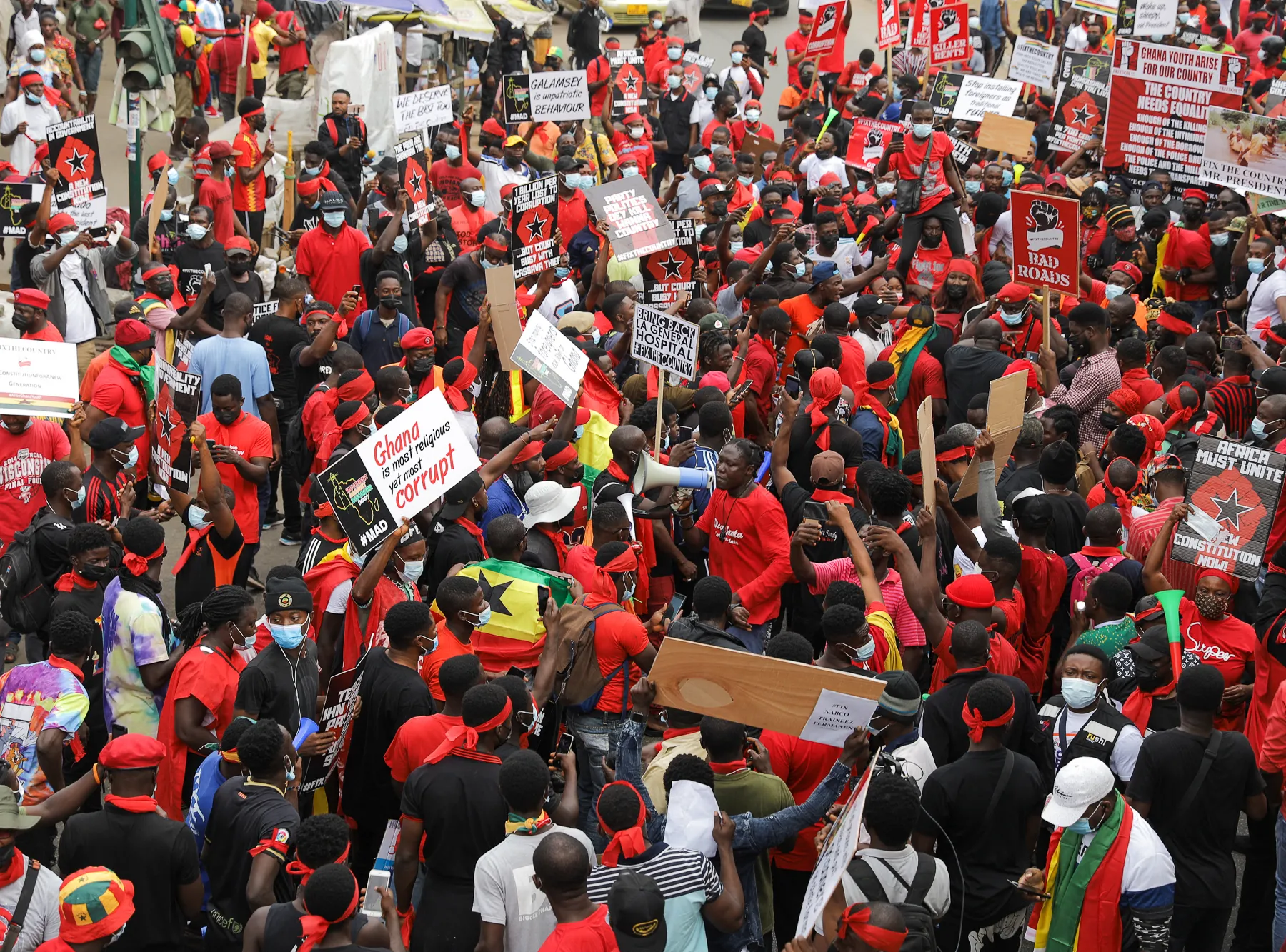
Ghanaians are not naive. Decades of watching high-profile corruption cases collapse, stall, or result in token penalties have bred institutional skepticism. Many citizens welcome the prosecutions while simultaneously doubting they will result in meaningful convictions or asset recovery.
Civil society organizations, including Ghana Integrity Initiative, have publicly called for transparency in case selection criteria. Their position — shared by many independent observers — is that the credibility of the entire campaign hinges on whether it outlasts its political utility to the current government.
The Danger of Weaponized Justice
When anti-corruption efforts become instruments of political warfare, the long-term damage to Ghana democracy can outweigh any short-term gains. This is not a hypothetical concern — it is a documented pattern across emerging democracies, as analyzed in research published by the International Institute for Democracy and Electoral Assistance (IDEA).
Opposition parties that feel targeted by prosecutorial overreach tend to retaliate in kind when they return to power. The result is an escalating cycle of politically motivated legal action that hollows out institutional credibility over time.
Implications for Ghana’s Democratic Governance
Ghana has long been celebrated as one of West Africa’s most stable democracies. That reputation is now being stress-tested. The way these Ghana governance challenges are handled will send a signal not just domestically, but to regional partners and international investors watching closely.
Foreign direct investment decisions increasingly factor in rule-of-law assessments. A perception that Ghana’s judiciary is being instrumentalized — even partially — could affect sovereign credit ratings and development financing terms.
What Needs to Happen Now
For this campaign to be remembered as a turning point rather than another political chapter, several structural changes are essential:
- Establish an independent oversight panel to review OSP case selection criteria
- Publish quarterly prosecution progress reports accessible to the public
- Ensure the OSP budget is constitutionally ring-fenced from executive discretion
- Mandate asset declaration verification for all current officeholders — not just predecessors
You should also review Ghana’s political accountability frameworks in West Africa to understand the regional context shaping these developments.
For deeper analysis, explore our Ghana election integrity and governance tracker which monitors institutional performance across administrations.
The Verdict: Genuine Justice or Political Theater?
The honest answer in mid-2026 is: it is too early to know definitively — and that ambiguity is itself a problem. A credible anti-corruption campaign should not leave room for reasonable doubt about its motivations.
What is clear is that Ghana stands at an inflection point. The institutions exist. The legal frameworks are in place. The public appetite for accountability is real. Whether the political will matches the institutional capacity — and whether that will extends to prosecuting allies as readily as opponents — will define Ghana’s governance trajectory for the next decade.
Consider following Ghana Supreme Court and constitutional law updates to stay current as landmark rulings emerge from these proceedings.
Key Takeaways
- Ghana’s 2026 anti-corruption prosecutions are real but disproportionately targeting the previous administration, raising legitimate questions about selective enforcement
- The OSP’s structural independence remains compromised by funding and political proximity — a critical vulnerability
- Credible accountability requires cross-party application, due process, and measurable outcomes like convictions and asset recovery
- Weaponized justice creates long-term democratic damage that outweighs short-term political gains
- Ghana’s international reputation and investment climate are directly tied to how these cases are handled
- Structural reforms — including budget ring-fencing and independent oversight — are necessary for this campaign to have lasting impact
Frequently Asked Questions
What is Ghana’s Office of the Special Prosecutor and how independent is it?
The Office of the Special Prosecutor (OSP) was established under Act 959 to investigate and prosecute corruption-related offences involving public officers. While designed to be independent, the OSP has faced recurring criticism over executive proximity, budget dependency, and inconsistent political support — factors that undermine its operational autonomy in practice.
Are the 2026 anti-corruption cases in Ghana legally sound?
Many of the cases appear grounded in documented audit findings and prior investigative work, which lends them procedural legitimacy. However, legal soundness and political motivation are not mutually exclusive — a case can be legally valid while still being selectively pursued for political reasons. Independent legal observers are monitoring due process compliance closely.
How does Ghana’s anti-corruption record compare regionally in 2026?
Ghana remains among the better performers in West Africa on governance indicators, but has not achieved the institutional consistency of top-ranked African nations. Regional peers like Senegal and Côte d’Ivoire face similar challenges of politically tinged prosecutions, suggesting this is a structural issue across the region rather than unique to Ghana.
What can ordinary Ghanaians do to hold the anti-corruption campaign accountable?
Citizens can engage civil society organizations like Ghana Integrity Initiative, demand public reporting on case outcomes, support independent journalism covering the courts, and use social media to maintain pressure for transparency. Voter accountability at the next election cycle also remains a powerful lever if the campaign is perceived as having failed its mandate.
Could the current prosecutions backfire politically?
Yes — and this is a documented risk in comparative democratic studies. If the opposition returns to power perceiving these prosecutions as persecution, retaliatory legal action against current officials becomes likely. This cycle erodes public trust in legal institutions regardless of which party is in power, ultimately weakening Ghana’s democratic foundations.