Ghana New President 2026: 7 Critical Policies to Watch
Ghana new president 2026: Discover 7 critical policies from the Mahama administration every business owner, student & civil worker must act on now.

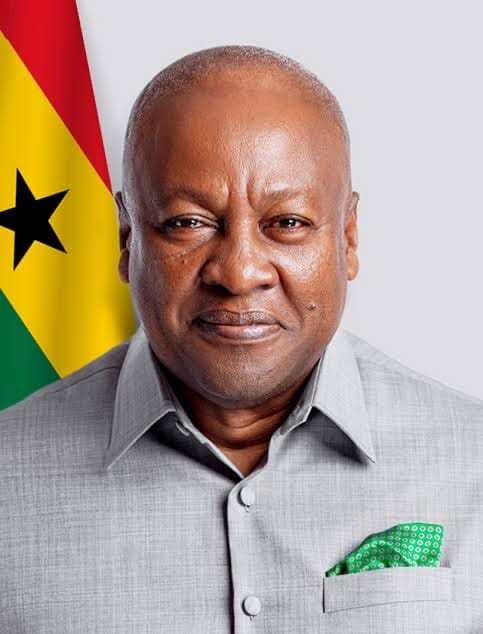
Ghana’s new president, John Dramani Mahama, who was inaugurated on January 7, 2025, is now deep into a governance agenda that is reshaping the country’s economic and social landscape — and 2026 is the year those policies are truly being tested. Whether you run a small business in Accra, work in the public sector, or are a student planning your future, understanding Ghana government policy 2026 is not optional — it’s essential.
1. The Economic Reset: Debt Restructuring and IMF Programme
Ghana remains under its IMF Extended Credit Facility programme, which was approved in 2023 and continues to shape fiscal decisions in 2026. The Mahama administration inherited a fragile economy and has been navigating debt restructuring negotiations with external creditors. According to the IMF’s Ghana country page, the programme targets fiscal consolidation and debt sustainability as core benchmarks.
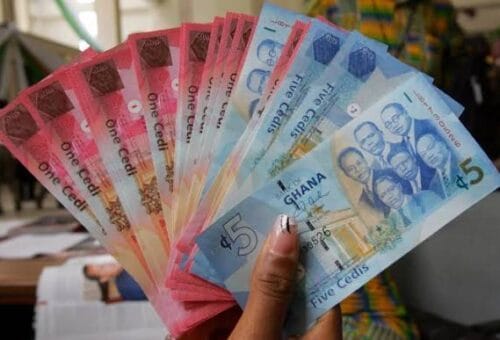
For small business owners, this means tighter government spending — fewer public contracts, slower disbursements, but also a commitment to reducing inflation. Watch the Bank of Ghana’s monetary policy rate closely, as any reduction signals cheaper credit for your business.
2. The 24-Hour Economy Policy
One of Mahama’s flagship campaign promises — the 24-Hour Economy initiative — is now in active implementation. The policy aims to extend business and industrial activity beyond traditional hours, creating shift-based employment and boosting productivity across manufacturing, logistics, and services.
For Ghanaian entrepreneurs, this opens real doors: businesses in food production, security services, logistics, and digital services stand to benefit most. The government has indicated incentives including tax breaks and subsidized utility rates for qualifying businesses operating in extended hours.
What Small Businesses Should Do Now
- Review your operational model to assess if extended-hour operations are viable.
- Monitor the Ministry of Trade and Industry for official 24-Hour Economy registration portals.
- Connect with your local Ghana Enterprises Agency (GEA) office for SME-specific support packages.
3. Education Reform and the Free SHS Continuity Debate
The Mahama administration has signaled a review of the Free Senior High School (Free SHS) programme, with discussions around sustainability and quality improvement. While the programme itself is not being scrapped, the 2026 policy direction focuses on improving infrastructure, teacher welfare, and TVET (Technical and Vocational Education and Training) pathways.
Students and parents should watch the Ghana Education Service’s announcements closely. There is a strong push toward STEM and digital skills integration at the secondary level, which aligns with the government’s broader digitalization agenda. You can track policy updates directly via the Ministry of Education Ghana.
4. Civil Service Reform and Public Sector Jobs
Civil workers in Ghana are navigating one of the most significant restructuring periods in recent memory. The Mahama government has committed to a public sector wage review under the Single Spine Salary Structure (SSSS), with negotiations ongoing between government and major unions including the Ghana Trades Union Congress (TUC).
Beyond wages, the administration is pushing digitalization of public services — meaning civil servants must adapt to new e-governance platforms or risk redundancy. This is not a distant threat; ministries are actively deploying digital workflow systems in 2026.
Action Steps for Civil Servants
- Enroll in any government-sponsored digital literacy programmes offered through your ministry.
- Stay engaged with your union representatives on wage negotiation timelines.
- Understand your pension rights under the SSNIT framework, especially if restructuring affects your role.
5. Ghana’s Digital Economy and Tech Policy Push
The Ghana economy 2026 narrative cannot be told without highlighting the aggressive push toward a digital economy. The government’s Digital Ghana Agenda, building on prior frameworks, now includes expanded rollout of the Ghana Card as a universal digital ID, integration with financial services, and a push to grow the fintech sector.
For tech-savvy professionals and entrepreneurs, this is the single biggest opportunity window. The government is actively courting foreign tech investment and has signaled regulatory sandboxes for fintech startups. If you are building in payments, agritech, healthtech, or edtech, 2026 is the year to position your startup for government partnership opportunities.
You should also explore how Ghana fintech regulations and digital business licensing apply to your operations to stay compliant and competitive.
6. Agriculture and Food Security Initiatives
The administration has revived the Planting for Food and Jobs programme with modifications aimed at improving input distribution efficiency — a known weakness in previous iterations. Subsidized fertilizers and seeds are being channeled through district assemblies with stronger accountability mechanisms.
Small-scale farmers and agribusiness owners should register with the Ministry of Food and Agriculture’s farmer database to access these inputs. Additionally, the government’s push to reduce food import bills creates real market opportunities for local food processors and distributors. Learn more about agribusiness opportunities for small businesses in Ghana.
7. Anti-Corruption and Governance Accountability
Mahama’s administration has re-energized the Office of the Special Prosecutor (OSP) and signaled stronger enforcement of public procurement laws. For businesses engaging in government contracts, this means stricter due diligence requirements and greater transparency in tender processes.
This is actually good news for legitimate SMEs — a cleaner procurement environment levels the playing field. Ensure your business is registered on the Public Procurement Authority (PPA) Ghana portal and that your documentation is audit-ready at all times.
Key Takeaways
- Ghana’s IMF programme continues to constrain public spending — plan your business finances conservatively in 2026.
- The 24-Hour Economy policy creates real opportunities for service, logistics, and manufacturing SMEs.
- Education reform is shifting toward TVET and digital skills — students should align their training accordingly.
- Civil servants must proactively upskill as digitalization of public services accelerates.
- The digital economy agenda opens doors for fintech, agritech, and healthtech entrepreneurs.
- Agriculture subsidies are back — register with MOFA to access inputs and market opportunities.
- Stronger anti-corruption enforcement benefits compliant businesses in government procurement.
For deeper context on how these policies affect your sector, review our Ghana business environment guide 2026 for sector-specific breakdowns.
Frequently Asked Questions
Who is Ghana’s new president in 2026 and when did they take office?
John Dramani Mahama is Ghana’s current president, having been inaugurated on January 7, 2025, after winning the December 2024 general election. In 2026, his administration is in the critical implementation phase of its key policy promises.
How does the IMF programme affect Ghana’s economy in 2026?
Ghana’s IMF Extended Credit Facility programme requires the government to maintain fiscal discipline, reduce the deficit, and restructure external debt. This limits public spending but is aimed at restoring macroeconomic stability, which should gradually reduce inflation and stabilize the cedi — benefiting businesses over the medium term.
What is the 24-Hour Economy policy and how can my small business benefit?
The 24-Hour Economy initiative encourages businesses to operate in multiple shifts to maximize productivity and create more jobs. Small businesses in logistics, food processing, security, and digital services can benefit from government incentives including potential tax reliefs and subsidized utility rates for qualifying extended-hour operations. Monitor the Ministry of Trade and Industry for official registration details.
Are there any new opportunities for tech entrepreneurs under Ghana’s 2026 government policy?
Yes. The Digital Ghana Agenda in 2026 includes fintech regulatory sandboxes, expanded Ghana Card integration, and government openness to public-private partnerships in edtech, agritech, and healthtech. Tech entrepreneurs should engage with the Ghana Investment Promotion Centre (GIPC) and the Ministry of Communications and Digitalisation for partnership pathways.
How can civil servants prepare for public sector reforms under the new administration?
Civil servants should prioritize digital upskilling, stay engaged with union representatives on wage negotiations, and ensure their SSNIT contributions and records are up to date. Proactively learning e-governance tools and digital procurement systems will be critical for career stability as ministries accelerate their digitalization programmes in 2026.