Ghana IMF Deal 2026: 5 Critical Reasons to Renegotiate
Is Ghana's IMF deal 2026 helping recovery or hurting SMEs? We break down 5 critical issues every Ghanaian business owner must understand now.

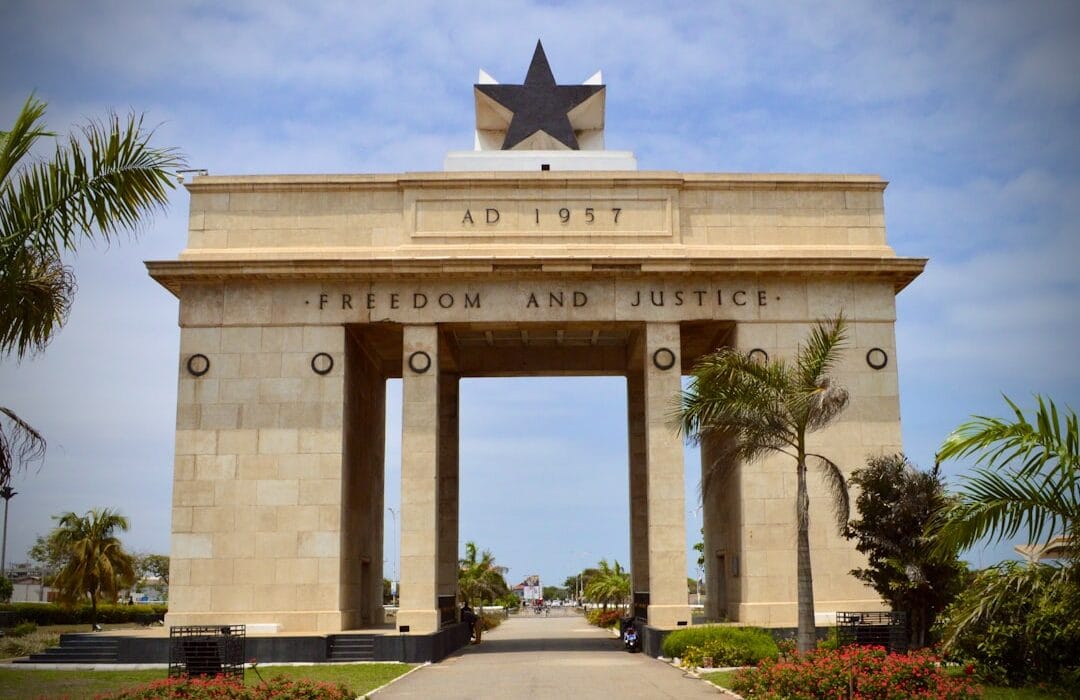
Ghana’s IMF deal 2026 remains one of the most debated economic arrangements in West Africa — but is it still working for ordinary Ghanaians, or has it become a straitjacket on recovery? Here’s what every small business owner and professional needs to understand right now.
Where Ghana Stands With the IMF in 2026
Ghana entered its IMF Extended Credit Facility (ECF) program in May 2023, securing approximately $3 billion over three years to stabilize a collapsing economy. As of 2026, Ghana has completed several program reviews, with the IMF disbursing tranches contingent on meeting fiscal targets.
According to the IMF’s Ghana country page, the program’s core objectives include reducing the fiscal deficit, rebuilding foreign reserves, and restoring debt sustainability. On paper, some macroeconomic indicators have improved. In practice, the lived reality for most Ghanaians tells a more complicated story.
5 Critical Reasons the Ghana IMF Deal Deserves Scrutiny in 2026
1. Fiscal Consolidation Is Squeezing Public Services
The IMF program requires Ghana to reduce its fiscal deficit through a combination of revenue mobilization and expenditure cuts. In practice, this has translated into wage freezes for public sector workers, cuts to education and health budgets, and delays in infrastructure spending.
For small business owners who depend on government contracts or rely on public infrastructure — roads, ports, digital services — these cuts have real downstream consequences. The Ghana debt restructuring 2026 process, while necessary, has not been painless.
2. High Interest Rates Are Strangling Small Businesses
One of the IMF’s key conditions involves maintaining a tight monetary policy to tame inflation. While Ghana’s inflation has moderated from its 2022-2023 peak above 50%, the Bank of Ghana’s policy rate has remained elevated, keeping commercial lending rates painfully high for SMEs.
For a small business in Accra or Kumasi trying to access a working capital loan, interest rates in the 25–30% range are effectively prohibitive. This is not a minor inconvenience — it is a structural barrier to Ghana economic recovery at the grassroots level.
3. The Debt Restructuring Process Has Hurt Domestic Investors
Ghana’s Domestic Debt Exchange Programme (DDEP), a prerequisite for the IMF deal, forced pension funds, insurance companies, and individual bondholders to accept lower returns and extended maturities on government securities. Many Ghanaian retirees and institutional investors absorbed significant losses.
The IMF conditions Ghana accepted required this restructuring, but critics — including economists at the University of Ghana — have argued that the burden fell disproportionately on domestic holders rather than external creditors. This asymmetry raises serious equity questions about who bears the cost of adjustment.
4. Revenue Mobilization Measures Are Hitting the Wrong People
To meet IMF revenue targets, Ghana has expanded its tax net and introduced new levies. The Electronic Transaction Levy (E-Levy), though revised, and other consumption-based taxes disproportionately affect lower-income Ghanaians and informal sector operators.
Tech-savvy professionals and digital entrepreneurs who conduct business via mobile money are among those most affected. If you’re running a digital business in Ghana, you should also review your guide to Ghana’s digital tax obligations for SMEs to ensure compliance without overpaying.
5. Growth Projections Remain Fragile
The IMF’s own projections for Ghana’s GDP growth in 2026 remain modest, with recovery heavily dependent on oil revenue, cocoa prices, and gold exports — all of which are subject to global commodity volatility. Structural economic diversification, which would benefit small businesses most, has not been a central feature of the program’s conditionalities.
Industry research from the World Bank’s Ghana overview suggests that sustained recovery requires investment in productive sectors beyond extractives — yet IMF-mandated fiscal tightening limits the government’s capacity to make those investments.
The Case FOR Staying the Course
To be fair, abandoning or dramatically renegotiating the IMF program carries its own serious risks. Ghana’s foreign reserves have recovered meaningfully since 2022, when the country was effectively locked out of international capital markets. The cedi, while still volatile, has shown greater stability under the program.
Sovereign credit ratings agencies have begun revising their outlook on Ghana upward, which matters enormously for the government’s ability to borrow at reasonable rates in the future. Walking away from the IMF deal prematurely could reverse these hard-won gains and trigger another currency crisis — the last thing small businesses need.
What a Renegotiation Could Look Like
Calling for renegotiation does not mean abandoning fiscal discipline. It means advocating for smarter conditionalities that protect economic growth and social stability. Here are specific areas where Ghana’s government could push back:
- Growth-sensitive fiscal targets: Automatic stabilizers that allow slightly higher deficits during periods of external shocks, rather than rigid annual targets.
- SME credit carve-outs: Explicit provisions within the monetary framework to support subsidized lending channels for small businesses.
- Symmetrical debt restructuring: Ensuring external creditors bear comparable burdens to domestic holders in future restructuring rounds.
- Social spending floors: Binding commitments to protect health and education expenditure, not just revenue and deficit targets.
- Diversification investment corridors: Ring-fenced capital allocations for agri-tech, digital infrastructure, and manufacturing that are exempt from expenditure caps.
If you’re a business owner or professional who wants to understand how these macroeconomic shifts affect your sector, check out our Ghana business environment outlook for 2026 for sector-specific analysis.
What Small Business Owners Should Do Right Now
Regardless of how the IMF negotiations evolve, the economic environment in Ghana in 2026 demands that small businesses operate with greater financial resilience. Here is what to prioritize:
- Reduce cedi exposure: Where possible, invoice in or hold partial reserves in USD or EUR to hedge against currency volatility.
- Diversify revenue streams: Businesses overly dependent on government contracts should actively develop private-sector client bases.
- Leverage DFI lending windows: Development Bank Ghana and the African Development Bank’s SME facilities offer rates well below commercial bank averages.
- Monitor policy announcements: The Bank of Ghana’s Monetary Policy Committee meets regularly; rate decisions directly affect your borrowing costs.
- Engage your trade association: Industry bodies like the Ghana National Chamber of Commerce have direct advocacy channels to government and can amplify SME concerns in IMF review discussions.
You should also explore our top financial tools for Ghanaian small businesses in 2026 to find platforms that help you manage forex risk and cash flow more effectively.
Key Takeaways
- Ghana’s IMF ECF program has stabilized key macroeconomic indicators but imposed real costs on public workers, pensioners, and small businesses.
- High interest rates — a direct consequence of IMF monetary conditionalities — remain the single biggest barrier to SME credit access in 2026.
- The domestic debt restructuring placed a disproportionate burden on Ghanaian investors compared to external creditors.
- A measured renegotiation focused on growth-sensitive targets and SME protections is more viable — and less risky — than full program exit.
- Small business owners should proactively hedge currency risk, diversify revenue, and access DFI lending channels regardless of how negotiations evolve.
Conclusion
The Ghana IMF deal in 2026 is neither a villain nor a savior — it is a tool, and like any tool, its value depends on how it is wielded. The question is not whether Ghana needs fiscal discipline, but whether the current terms are optimally designed to deliver recovery that reaches small businesses, workers, and ordinary citizens.
Start by engaging your local trade association or chamber of commerce today to ensure the SME voice is part of Ghana’s next IMF program review conversation.
Frequently Asked Questions
What is Ghana’s IMF deal in 2026 and how much has been disbursed?
Ghana’s IMF Extended Credit Facility, approved in May 2023, is a roughly $3 billion program designed to restore macroeconomic stability. By 2026, multiple tranches have been disbursed following successful program reviews, with disbursements conditional on Ghana meeting agreed fiscal and structural benchmarks. The IMF’s Ghana country page provides the most current disbursement data.
How do IMF conditions affect small businesses in Ghana?
IMF conditions requiring tight monetary policy have kept commercial lending rates very high — often 25–30% — making it extremely difficult for SMEs to access affordable working capital. Additionally, cuts to public expenditure reduce government contract opportunities, and consumption-based taxes increase operating costs for informal and digital businesses.
What is Ghana’s debt restructuring in 2026 and who was affected?
Ghana’s Domestic Debt Exchange Programme (DDEP), launched as part of the IMF deal prerequisites, required holders of domestic government bonds — including pension funds and individual investors — to accept lower interest rates and longer maturities. This significantly impacted Ghanaian retirees and institutional investors, raising equity concerns about who bears the adjustment burden.
Can Ghana renegotiate its IMF deal without triggering a new crisis?
A targeted renegotiation focused on specific conditionalities — such as social spending floors, SME credit carve-outs, and growth-sensitive fiscal targets — is generally considered feasible without triggering a full program breakdown. However, unilaterally abandoning the program would likely cause significant currency depreciation and a return to capital market exclusion, which would be far more damaging.
What should Ghanaian entrepreneurs do to protect their businesses during the IMF program period?
Entrepreneurs should focus on reducing cedi exposure through partial foreign currency holdings, diversifying their client base away from government contracts, accessing Development Bank Ghana or African Development Bank SME lending windows, and closely monitoring Bank of Ghana monetary policy decisions. Building a three-to-six-month cash reserve in the current environment is also strongly advisable.