Ghana Energy Crisis 2026: 7 Critical Survival Tips
Ghana's energy crisis 2026 is crushing small businesses with load shedding and rising tariffs. Discover 7 proven strategies to cut costs and stay operational.

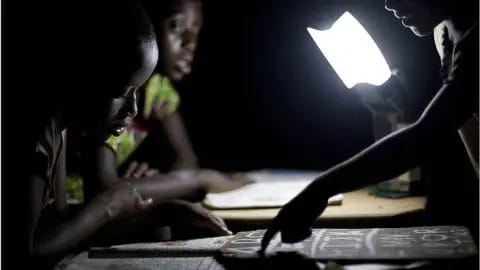
Ghana’s energy crisis in 2026 is no longer just a headline — it’s a daily battle for thousands of small business owners struggling to keep their lights on, their fridges running, and their customers happy. If you’re a shop owner, salon operator, or tech professional in Accra, Kumasi, or beyond, this guide gives you real, actionable steps to survive and adapt.
The Current State of Ghana’s Power Crisis in 2026
Ghana’s electricity sector is facing compounding pressures in 2026. The Electricity Company of Ghana (ECG) has confirmed ongoing load shedding schedules — locally known as dumsor — affecting residential and commercial consumers across multiple regions. Rising fuel costs, foreign exchange pressures on power purchase agreements, and aging grid infrastructure have all contributed to the current instability.
According to the Energy Commission of Ghana, electricity tariff reviews have pushed commercial rates significantly higher in 2026, squeezing margins for small businesses that were already recovering from post-pandemic economic strain. Industry observers note that some commercial tariffs have seen cumulative increases that make Ghana’s electricity among the more expensive in West Africa for small operators.
How Load Shedding Is Crippling Small Businesses
Load shedding Ghana businesses face is not just an inconvenience — it’s a direct revenue killer. Consider a typical scenario: a cold-store operator in Tema loses product during an unannounced 8-hour outage. A hair salon in Osu turns away 10 clients during a peak Saturday. A printing shop misses a deadline because their machines were down for 6 hours.
The Real Cost of Downtime
Industry research from the International Finance Corporation (IFC) consistently shows that power outages can reduce SME productivity by 10–40% in markets with unreliable grids. For Ghana’s small businesses operating on thin margins, even a 15% productivity loss can mean the difference between profit and closure.
- Lost sales during outage windows
- Spoiled perishable goods (food, pharmaceuticals, beauty products)
- Equipment damage from power surges when supply resumes
- Increased generator fuel costs eating into profits
- Customer trust erosion when service is inconsistent
Rising Electricity Tariffs Ghana Businesses Must Budget For
The electricity tariffs Ghana businesses pay have been revised upward by the Public Utilities Regulatory Commission (PURC) in 2026 as part of cost-reflective pricing reforms. While this is a necessary long-term policy, the short-term impact on small businesses is severe. You need to treat electricity as a variable cost — not a fixed one — and plan accordingly.
7 Proven Strategies to Survive Ghana’s Energy Crisis
1. Conduct an Immediate Energy Audit
Before spending a single cedi on equipment, understand where your energy goes. Walk through your shop or office and list every electrical device, its wattage, and daily usage hours. Free energy audit tools are available through Ghana’s Energy Commission outreach programs. This single step often reveals 20–30% in easy savings.
2. Invest in Solar with Battery Storage
Solar energy for small businesses in Ghana has become significantly more accessible in 2026. Lithium iron phosphate (LiFePO4) battery prices have dropped globally, making hybrid solar-battery systems a viable investment for shops and offices. A modest 2–3kW system with battery backup can power essential equipment — lights, fans, point-of-sale systems, and phone chargers — through a standard 6-hour outage window.
Look into financing options from institutions like Fidelity Bank Ghana and Absa Ghana, which have SME green energy loan products. You should also explore solar energy financing options for Ghana SMEs to compare current rates.
3. Switch to Energy-Efficient Equipment
LED lighting, inverter air conditioners, and Energy Star-rated appliances consume dramatically less power than older models. Replacing a single old refrigerator compressor with an inverter model can cut that appliance’s energy consumption by up to 40%, per general industry benchmarks. This is not a luxury — it’s a survival investment in the current tariff environment.
4. Use a Smart UPS or Inverter System as a Bridge
For businesses that cannot afford full solar immediately, a quality inverter/UPS system provides a critical bridge during short outages. Prioritize powering your router, POS terminal, and key lighting. This keeps you operational and customer-facing even during brief dumsor windows. Budget between GHS 3,000–8,000 for a reliable system depending on capacity.
5. Renegotiate Your Lease or Operating Hours
Some landlords in commercial areas are beginning to offer shared generator arrangements or reduced rent for tenants who bring their own power solutions. It’s worth having that conversation. Additionally, consider adjusting your operating hours to align with your area’s load shedding schedule — many ECG districts now publish weekly schedules on social media and their customer portal.
6. Digitize and Reduce Physical Energy Dependency
Tech-savvy entrepreneurs should accelerate their digital transformation. Moving invoicing, customer communication, and record-keeping to cloud-based mobile platforms means your core business functions run on a smartphone — which can be charged anywhere. Explore best cloud accounting tools for Ghana small businesses that work offline and sync when connectivity returns.
7. Join or Form a Business Energy Cooperative
Small businesses in the same market or plaza can pool resources to install a shared solar microgrid or negotiate bulk diesel purchasing for generators. This model is gaining traction in Kumasi’s Kejetia market area and Accra’s Makola district. Collective action reduces per-business costs and creates shared resilience.
Government and Institutional Support to Watch
The Ghana government, through the Ministry of Energy, has signaled intentions to accelerate renewable energy deployment and private sector participation in distribution. The Ghana Renewable Energy Master Plan targets increased solar penetration, and the PURC has frameworks for net metering that allow businesses to sell excess solar power back to the grid — though implementation at the SME level remains a work in progress in 2026.
Stay informed through official channels and consider joining the Ghana National Chamber of Commerce and Industry (GNCCI), which actively lobbies on energy policy issues affecting businesses. You can also track Ghana government business support programs 2026 for updates on subsidies and grants.
Key Takeaways
- Ghana’s energy crisis in 2026 is driven by tariff hikes, load shedding, and aging infrastructure — all hitting small businesses simultaneously.
- Treat electricity as a variable, manageable cost — start with a free energy audit before spending money.
- Solar + battery storage is now financially viable for many SMEs; explore green energy loans from local banks.
- Inverter/UPS systems offer an affordable short-term bridge to maintain customer-facing operations during outages.
- Business energy cooperatives can cut per-unit energy costs significantly — consider organizing with neighboring businesses.
- Digitizing core operations reduces your physical energy dependency and keeps your business running on minimal power.
- Monitor ECG’s load shedding schedules and align operations accordingly to minimize revenue loss.
Frequently Asked Questions
What is causing Ghana’s energy crisis in 2026?
Ghana’s 2026 energy challenges stem from a combination of factors: foreign exchange pressures making it costly to pay independent power producers (IPPs) in dollars, aging transmission and distribution infrastructure managed by ECG, rising global fuel costs affecting thermal generation, and demand growth outpacing new supply additions. The result is periodic load shedding and upward pressure on electricity tariffs.
How much does a basic solar backup system cost for a small business in Ghana?
In 2026, a basic hybrid solar system (2–3kW panels with a lithium battery bank sufficient for 6–8 hours of essential loads) typically costs between GHS 18,000 and GHS 40,000 installed, depending on battery capacity and brand. Financing options through SME green loans can spread this over 12–36 months, making monthly payments comparable to current generator fuel costs for many businesses.
Does ECG publish load shedding schedules for businesses to plan around?
ECG does publish load shedding schedules, though they are not always consistent. The most reliable way to track your area’s schedule is through ECG’s official social media pages (Facebook and X/Twitter) and their customer service portal. Several third-party apps and WhatsApp community groups in Ghana also aggregate and share schedule updates in real time.
Are there government subsidies for small businesses to adopt solar energy in Ghana?
As of 2026, direct cash subsidies for SME solar adoption are limited, but there are policy incentives including import duty exemptions on solar panels and components under Ghana’s Renewable Energy Act. Some development finance institutions and NGOs offer subsidized loan products. Check with the Energy Commission of Ghana and your local bank’s SME desk for the most current programs available.
What is the most affordable first step a small business can take to reduce electricity costs right now?
The single most affordable first step is conducting a DIY energy audit — listing all electrical devices, their wattage, and usage hours — then replacing incandescent or fluorescent bulbs with LED equivalents. LED replacements typically cost GHS 15–40 per bulb and can reduce lighting energy consumption by 60–80%. This requires no loans, no installation, and delivers immediate savings on your next ECG bill.