Top 7 Fastest Growing African Cities for Business 2026
Discover the fastest growing African cities 2026 for business investment. Where does Accra rank vs Nairobi, Lagos & Kigali? Read the data-driven breakdown.


Which African city will make or break your next business move in 2026? The continent’s urban investment landscape is shifting faster than most entrepreneurs realize — and if you’re not paying attention, you’ll miss the window. In this article, you’ll discover which fastest growing African cities 2026 are dominating investment rankings, where Accra truly stands, and what Ghana must do right now to stay competitive.
Why African Cities Are the New Global Business Frontier
Africa is home to 6 of the world’s 10 fastest-growing economies, according to the IMF’s World Economic Outlook. By 2026, the continent’s urban population is projected to exceed 700 million people, creating enormous consumer markets and infrastructure demand.
For small business owners, investors, and entrepreneurs — especially those in Ghana — understanding which cities are attracting capital is not optional. It’s survival strategy.
The 7 Fastest Growing African Cities for Business in 2026
1. Lagos, Nigeria — The Unstoppable Giant
Lagos remains Africa’s largest commercial city and continues to lead in sheer volume of startup funding and FDI. Nigeria’s fintech sector alone attracted over $1 billion in venture capital in recent years, with Lagos-based companies like Flutterwave and Moniepoint anchoring that momentum.
The city’s population of over 15 million creates a consumer base few African markets can match. However, infrastructure gaps, insecurity concerns, and currency volatility remain persistent challenges for new entrants.
2. Nairobi, Kenya — Africa’s Silicon Savannah
Nairobi consistently ranks among the top Africa investment cities 2026 due to its mature startup ecosystem, political stability, and East African Community trade access. The city hosts the African headquarters of Google, Microsoft, and numerous UN agencies.
Kenya’s government has also doubled down on digital infrastructure through its Ministry of ICT initiatives, making Nairobi a top destination for tech-driven businesses and remote-work hubs.
3. Kigali, Rwanda — The Efficiency Champion
Kigali is arguably the most business-friendly city on the continent in 2026. Rwanda consistently ranks first in Africa on the World Bank’s ease of doing business indicators, with streamlined company registration, low corruption levels, and world-class conference infrastructure.
The city is aggressively courting tech companies, drone logistics firms, and financial services providers. For small businesses seeking a low-friction entry point into East Africa, Kigali deserves serious consideration.
4. Abidjan, Côte d’Ivoire — The Francophone Powerhouse
Abidjan is experiencing a remarkable economic resurgence in 2026. Côte d’Ivoire has maintained GDP growth rates above 6% for several consecutive years, and Abidjan serves as the financial capital of francophone West Africa.
Major infrastructure projects — including port expansions and a new metro line — are transforming the city’s logistics and mobility landscape. For Ghanaian businesses, Abidjan represents both a competitive threat and a regional partnership opportunity.
5. Accra, Ghana — Competitive but Under Pressure
Accra holds a meaningful position among the fastest growing African cities 2026, but its ranking has faced headwinds. Ghana’s economic recovery from its 2022–2023 debt crisis — which led to an IMF bailout program — is still unfolding. As of 2026, Ghana is in the final stages of its IMF Extended Credit Facility program, and macroeconomic stability is gradually returning.
Accra’s strengths remain real: English-speaking workforce, democratic governance, a growing tech hub in the Accra Digital Centre, and proximity to major West African markets. The city is home to rising startups in fintech, agritech, and healthtech. You should also explore the Ghana startup ecosystem guide to understand the full landscape.
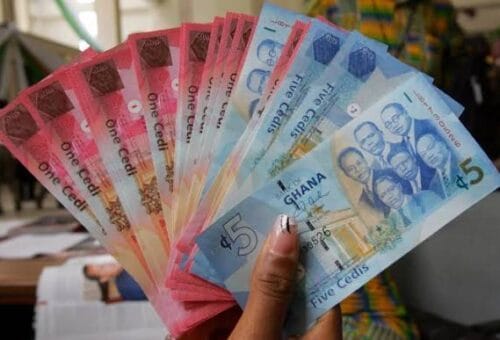
However, high interest rates, cedi depreciation, and energy cost volatility continue to dampen investor confidence compared to Kigali and Nairobi.
6. Cairo, Egypt — The Northern Anchor
Cairo benefits from Egypt’s position as Africa’s second-largest economy and its gateway role between Africa, the Middle East, and Europe. The Egyptian government’s Vision 2030 reforms have attracted significant Gulf investment into real estate, logistics, and manufacturing sectors.
For businesses targeting North Africa or Middle East-Africa trade corridors, Cairo remains an essential hub in 2026.
7. Dar es Salaam, Tanzania — The Quiet Riser
Dar es Salaam is increasingly appearing on investor radars in 2026. Tanzania’s political stability under President Samia Suluhu Hassan, combined with major natural gas discoveries and infrastructure investment, is positioning the city as a serious alternative to Nairobi for East African market entry.
Where Does Accra Business Hub 2026 Really Stand?
Accra ranks approximately 4th–5th among West African cities for business attractiveness in 2026, behind Lagos and Abidjan in terms of raw investment volume, but ahead of many peers on governance and ease of doing business metrics.
The Accra business hub 2026 narrative is real — but it requires active support. The city’s digital economy is growing, with the Ghana Revenue Authority’s digital tax systems and the Bank of Ghana’s fintech sandbox creating a more structured environment for financial innovation. Learn more about doing business in Accra as a startup for practical entry steps.
What Ghana Must Do to Stay Competitive
1. Accelerate Infrastructure Investment
Reliable electricity, fast internet, and modern logistics infrastructure are non-negotiable for attracting business. Ghana’s government must prioritize energy sector reform and expand fiber optic coverage beyond Greater Accra.
2. Reduce the Cost of Doing Business
High corporate taxes, import duties, and bureaucratic delays are pushing some investors toward Kigali or Abidjan. Streamlining business registration and reducing regulatory friction — similar to Rwanda’s model — would be transformative.
3. Strengthen the Startup Ecosystem
Ghana needs more venture capital, angel investor networks, and government-backed innovation funds. The Ghana Startup Act, passed in 2023, was a strong step — but implementation and funding allocation remain critical in 2026.
4. Leverage AFCFTA Positioning
Ghana hosts the Secretariat of the African Continental Free Trade Area (AfCFTA) in Accra. This is a strategic asset that is still underutilized. Positioning Accra as the operational hub for AfCFTA-related business activity could attract significant institutional and private sector investment.
Key Trends Shaping Africa Investment Cities 2026
- Climate finance is becoming a major investment driver, with cities that have green infrastructure plans attracting more multilateral funding.
- AI and digital economy investments are concentrating in cities with reliable internet and tech talent pipelines.
- Diaspora investment is growing across West Africa, with remittance-linked business activity rising in Accra, Lagos, and Abidjan.
- Manufacturing reshoring from Asia is creating new industrial zone opportunities in Ethiopia, Egypt, and Morocco.
For Ghanaian small business owners, understanding these macro trends helps you align your business model with where capital is flowing. Explore Africa business trends for entrepreneurs 2026 for a deeper dive.
Key Takeaways
- Lagos, Nairobi, and Kigali lead Africa’s business city rankings in 2026 based on investment volume, ease of doing business, and startup ecosystems.
- Accra holds a competitive position but faces real pressure from Abidjan and Kigali in attracting FDI and tech investment.
- Ghana’s AfCFTA Secretariat advantage is a major untapped opportunity for businesses and the government alike.
- Reducing business costs, improving infrastructure, and scaling startup support are Ghana’s most urgent priorities.
- Africa’s fastest growing cities in 2026 share common traits: political stability, digital infrastructure, and streamlined regulation.
- Small business owners should actively monitor FDI trends and position their services to serve cross-border African trade.
Frequently Asked Questions
Is Accra considered one of the fastest growing African cities for business in 2026?
Yes, Accra is recognized as a significant business hub in West Africa in 2026, particularly for fintech, agritech, and trade services. However, it faces stiff competition from Kigali and Abidjan, which have made faster progress on ease of doing business reforms. Ghana’s ongoing IMF recovery program is restoring macroeconomic stability, which should improve Accra’s investment attractiveness through 2026 and beyond.
Which African city is the easiest for a small business to set up in 2026?
Kigali, Rwanda consistently ranks as the easiest African city for business registration and operations. Rwanda’s streamlined digital registration process, low corruption levels, and transparent regulatory environment make it the top choice for entrepreneurs seeking a low-friction market entry point in East Africa.
How is Ghana’s economic recovery affecting business investment in Accra?
Ghana’s economy is in recovery mode in 2026 following its debt restructuring and IMF program. Inflation has moderated compared to 2023 peaks, and the cedi has shown signs of stabilization. While investor confidence is returning, high interest rates and residual fiscal pressures mean that Accra is not yet back to its pre-crisis investment momentum. Businesses with a medium-to-long-term horizon will find better opportunities than short-term traders.
What sectors are attracting the most investment in African cities in 2026?
The top investment sectors across Africa’s fastest growing cities in 2026 include fintech and digital payments, renewable energy and climate tech, agritech and food systems, logistics and supply chain technology, and healthcare innovation. Cities with strong digital infrastructure and regulatory sandboxes — like Nairobi and Kigali — are capturing the largest share of tech-sector investment.
How can Ghanaian entrepreneurs take advantage of the AfCFTA opportunity in Accra?
Ghanaian entrepreneurs can position themselves as service providers to the AfCFTA ecosystem — offering trade compliance consulting, cross-border logistics, legal services, translation and localization, or trade finance solutions. Since the AfCFTA Secretariat is physically based in Accra, there is a genuine first-mover advantage for businesses that build expertise in continental trade facilitation before competitors in other cities catch on.