China Belt and Road Ghana: 5 Business Wins in 2026
China Belt and Road Ghana projects are unlocking real SME opportunities in 2026. Discover 5 sectors growing fast and how to win contracts now.

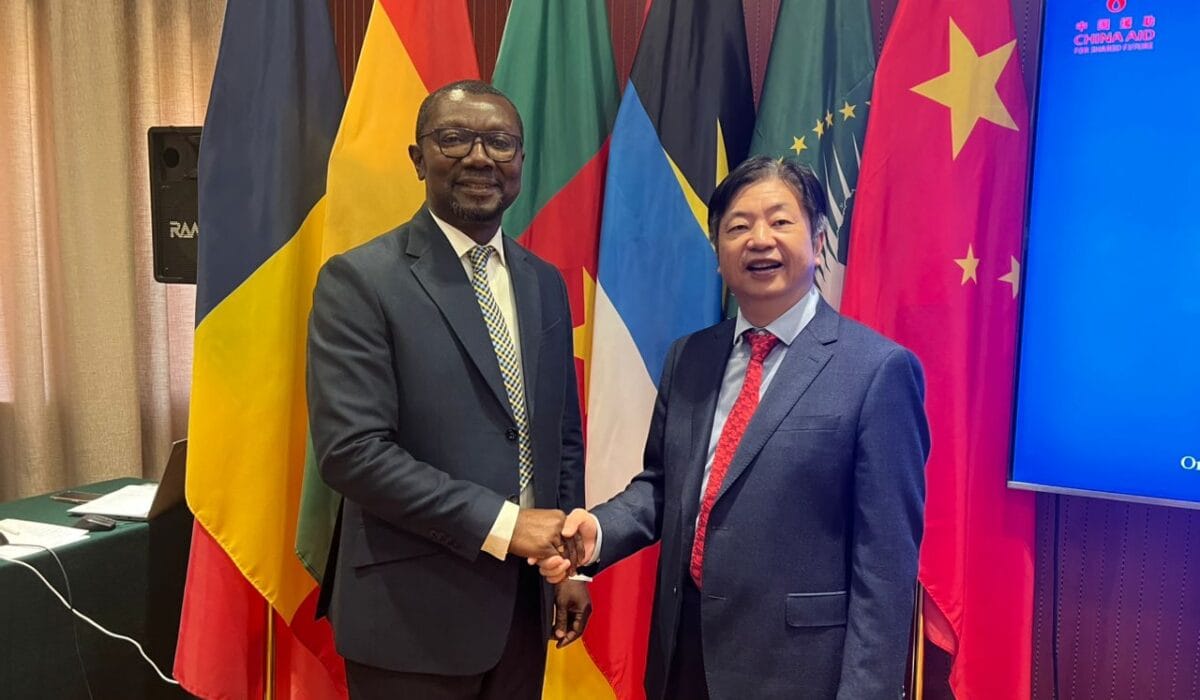
Did you know that China Belt and Road Ghana projects now touch nearly every major infrastructure corridor in the country — from roads in the Volta Region to industrial parks outside Accra? If you’re a small business owner or entrepreneur in Ghana, understanding who is winning contracts and how to position yourself could be the most important business move you make this year.
What the Belt and Road Initiative Actually Means for Ghana in 2026
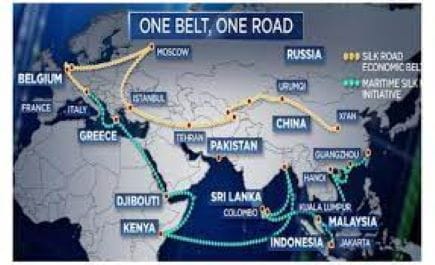
The Belt and Road Initiative (BRI) is China’s global infrastructure investment programme, and Ghana has been one of its key African partners since the mid-2010s. By 2026, the relationship has matured significantly — moving beyond just roads and ports into digital infrastructure, agro-processing, and light manufacturing.
According to the World Bank’s Ghana country profile, infrastructure gaps remain one of the biggest constraints on private sector growth. BRI projects are directly targeting those gaps — which creates real downstream opportunities for local businesses.
5 Sectors Seeing Real Growth from Chinese Investment Ghana
1. Road and Transport Infrastructure
Chinese state-owned enterprises like CRBC and Sinohydro continue to hold major road construction contracts. But the real opportunity for Ghanaian SMEs lies in the subcontracting chain — supply of aggregates, sand, water, food catering for workers, and logistics support.
Local contractors who register with the Public Procurement Authority (PPA) of Ghana have a formal pathway to bid on subcontracts. If you haven’t registered yet, that’s your first actionable step today.
2. Digital Infrastructure and the Smart City Push
Huawei and ZTE have expanded their footprint in Ghana’s digital infrastructure, including fibre backbone projects and smart surveillance systems in Accra and Kumasi. This is creating demand for local ICT service providers — from installation technicians to cybersecurity consultants and data centre support staff.
Tech-savvy professionals should be actively building certifications in Huawei’s ecosystem. Huawei’s own Talent Online platform offers free and paid certification tracks that are directly relevant to projects being deployed in Ghana right now.
3. Agro-Processing and the Sinohydro Resource-for-Infrastructure Model
One of the more controversial but impactful BRI structures in Ghana is the resource-for-infrastructure swap — where bauxite and other mineral exports are pledged in exchange for infrastructure funding. But this model has an underreported side effect: it is accelerating investment in agro-processing zones near infrastructure corridors.
Small food processors, packaging companies, and cold chain logistics providers near the Eastern and Brong-Ahafo corridors are seeing increased demand. If you’re in agro-processing, now is the time to formalise your business and pursue quality certifications like Ghana Standards Authority (GSA) approval.
4. Construction Materials and Light Manufacturing
Every major BRI construction site needs cement, steel rods, timber, electrical fittings, and PPE. While Chinese firms often import bulk materials, locally manufactured finishing materials and consumables are frequently sourced from Ghanaian suppliers to reduce logistics costs and meet local content requirements.
If you manufacture or trade in construction materials, consider approaching Chinese project site managers directly with a formal product catalogue and pricing sheet. In practice, a professional approach with clear documentation goes a long way — many site managers have told local business groups they struggle to find reliable local suppliers who present themselves professionally.
5. Real Estate and Hospitality Near Infrastructure Corridors
Where major infrastructure goes, workers, engineers, and project managers follow. Towns along BRI project corridors — including areas around the Tema-Mpakadan railway and the Eastern corridor road — are seeing increased demand for short-term accommodation, food services, and retail.
Small guesthouse owners and food vendors in these areas are reporting meaningful upticks in revenue. If you’re considering a new business location, mapping it against active BRI project sites is a smart strategy for 2026.
Who Is Actually Benefiting — And Who Is Being Left Out
Let’s be honest: the majority of high-value contracts still go to Chinese state-owned enterprises. That’s the structural reality of how BRI is designed. The local content gap remains a genuine challenge.
However, businesses that are winning locally share a few common traits:
- They are formally registered and compliant with Ghana Revenue Authority (GRA) requirements
- They have documented track records — even small ones — in their sector
- They proactively network at Ghana-China business forums and trade events
- They understand basic Mandarin phrases or have hired staff who do (a growing competitive edge)
- They leverage the how to register a business in Ghana step by step process to ensure full compliance
What Small Entrepreneurs Should Do Right Now
Positioning yourself for Ghana infrastructure 2026 opportunities requires deliberate action, not passive waiting. Here’s a practical roadmap:
- Formalise your business — Register with the Registrar General’s Department, GRA, and GIPC if you haven’t already.
- Get on procurement lists — Register with the PPA and reach out to Chinese embassy commercial attachés who maintain local vendor lists.
- Build sector-specific credentials — Whether it’s a GSA certification, a Huawei cert, or an ISO standard, credentials signal seriousness.
- Attend Ghana-China business events — The Ghana-China Economic and Trade Association hosts regular networking events that are worth attending.
- Study the project pipeline — Review the Ghana government infrastructure project pipeline 2026 to identify which projects are in your region.
The Bigger Picture: Ghana Business Opportunities Beyond BRI
It’s worth noting that BRI is one piece of a larger puzzle. Ghana’s business environment in 2026 also benefits from AfCFTA trade flows, mobile money infrastructure, and a growing tech startup ecosystem. Smart entrepreneurs are using BRI-driven infrastructure as a foundation, not a ceiling.
For example, improved roads mean faster delivery times for e-commerce businesses. Better digital infrastructure means more reliable payment systems. These second-order benefits are where agile small businesses can truly thrive. You should also review your digital business strategy for Ghanaian SMEs to align with these infrastructure improvements.
Key Takeaways
- China Belt and Road Ghana projects are creating real subcontracting and supply chain opportunities for local SMEs in 2026.
- The five hottest sectors are: road infrastructure supply chains, digital/ICT services, agro-processing, construction materials, and corridor hospitality.
- Businesses winning contracts are formally registered, credentialed, and proactively networking — not waiting for opportunities to come to them.
- Register with the PPA, GIPC, and GRA as your immediate first step.
- Second-order benefits of BRI infrastructure — like better roads for e-commerce and improved connectivity — may matter as much as direct contracts.
Frequently Asked Questions
How can a small Ghanaian business get a subcontract from a Chinese BRI project?
Start by registering with the Public Procurement Authority (PPA) and the Ghana Investment Promotion Centre (GIPC). Then identify active project sites in your region, prepare a professional vendor profile with your capabilities and pricing, and approach site managers or local Chinese business associations directly. Persistence and professionalism are key.
Is Chinese investment in Ghana actually good for the local economy?
The impact is mixed and context-dependent. Infrastructure improvements deliver real economic value — better roads reduce transport costs, improved ports increase trade efficiency. However, critics point to limited local employment in high-skill roles and debt sustainability concerns. Industry research suggests the net benefit depends heavily on how well local businesses position themselves to capture downstream opportunities.
What sectors are most accessible for small Ghanaian entrepreneurs in BRI projects?
The most accessible entry points are in services and supplies: catering, logistics, security services, construction material supply, ICT support, and accommodation. These don’t require large capital and can be started with existing small business infrastructure.
Do I need to speak Mandarin to work with Chinese companies in Ghana?
Not necessarily, but it is a growing competitive advantage. Many Chinese project managers speak English, and most large firms have local Ghanaian liaison officers. That said, even basic Mandarin phrases and cultural awareness significantly improve your working relationships and trust-building with Chinese counterparts.
Where can I find information on upcoming Ghana infrastructure projects funded by China?
Check the Ghana Ministry of Finance’s public debt and project disclosures, the PPA tender portal, and the Chinese Embassy in Accra’s commercial section website. The GIPC also publishes investment reports that track active and pipeline projects by sector and region.