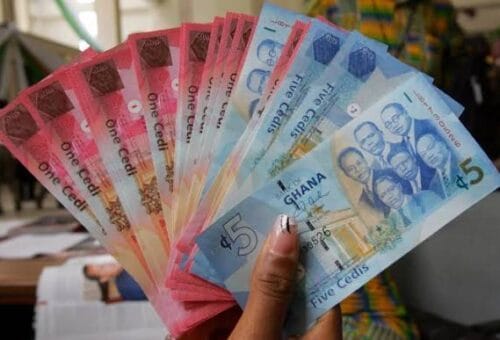
Accra Real Estate 2026: 5 Critical Moves for Small Businesses
Accra real estate 2026 is reshaping SME costs and opportunities. Learn 5 critical moves to protect margins and profit from Ghana's property boom.

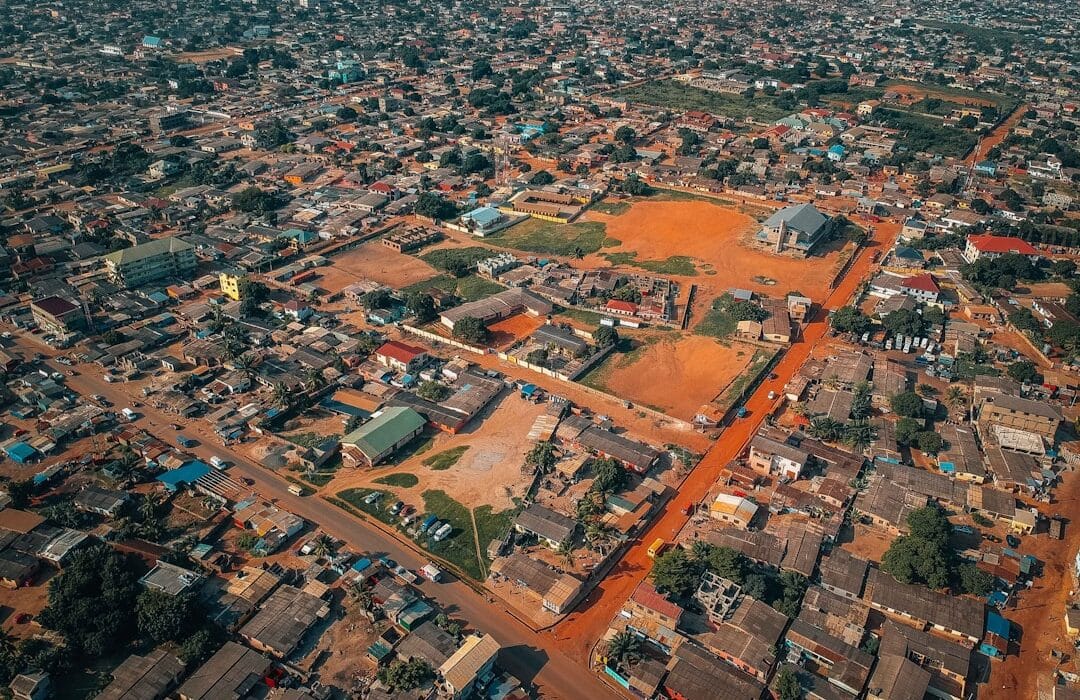
Commercial rents in Accra’s prime districts have surged dramatically over the past 18 months — and if you run a small business in Ghana, this trend is reshaping your bottom line right now. In this article, you’ll learn how to navigate the Accra real estate 2026 landscape, protect your operating costs, and potentially turn rising property values into a new income stream.
The State of the Ghana Property Market in 2026
Accra’s property market has continued its aggressive expansion into 2026, driven by infrastructure investment, a growing middle class, and increased foreign direct investment in commercial hubs like Airport City, Cantonments, and East Legon. According to reporting by Graphic Business, demand for Grade A office space and mixed-use retail properties has outpaced supply for the third consecutive year.
The Ghana property market 2026 is also being shaped by the government’s ongoing push to develop satellite cities around Accra — including projects in Tema, Kasoa, and Dawhenya — which is beginning to redistribute some commercial activity away from the congested city centre.
For small business owners, this creates a split reality: higher costs in established areas, but emerging opportunities in developing corridors.
How Rising Commercial Rent in Accra Is Squeezing Small Businesses
The pressure on commercial rent in Accra is real and measurable. Landlords in areas like Osu, Labone, and the CBD are increasingly pricing leases in US dollars, insulating themselves from cedi depreciation — but leaving GHS-revenue businesses exposed to exchange rate risk.
The Dollar-Lease Trap
Many small business owners sign two- or three-year leases denominated in USD. When the cedi weakens — as it has periodically since 2022 — their effective rent cost in local currency balloons without any change to the lease terms. This is one of the most underappreciated financial risks for SMEs operating in Accra today.
Industry observers recommend negotiating rent caps or cedi-denominated clauses wherever possible, especially for businesses whose revenues are primarily in local currency.
Shrinking Margins in Retail and Food Service
Retail and food service businesses — already operating on thin margins — are feeling the squeeze most acutely. A shop that paid GHS 3,000 per month in rent in 2023 may now face GHS 6,000–8,000 for the same space, depending on location. That’s a cost increase that cannot always be passed on to price-sensitive Ghanaian consumers.
If you’re in this category, reviewing your small business cost management strategies in Ghana is no longer optional — it’s urgent.
5 Critical Moves for Small Business Owners in Accra’s 2026 Property Market
1. Audit Your Lease Terms Before Renewal
Don’t auto-renew. Have a property lawyer or commercial agent review your lease for escalation clauses, currency denomination, and exit provisions. The cost of a one-hour legal consultation is far less than a bad two-year lease.
2. Explore Peripheral and Emerging Locations
Areas like Adenta, Ashiaman, and parts of Kasoa are seeing growing consumer foot traffic as Accra’s population spreads outward. Relocating or opening a secondary location in these corridors can significantly reduce your rent burden while accessing an underserved market.
Check out the Ghana Statistical Service for updated population and economic activity data by district to guide your location decisions.
3. Consider Co-Working and Shared Commercial Spaces
The co-working sector in Accra has matured significantly. Spaces like those in the Airport City and Ridge corridors now offer flexible desk and private office arrangements that can reduce fixed overhead for service-based businesses. For tech-savvy professionals and consultants, this is often the smartest play in 2026.
4. Use Real Estate as a Side-Income Vehicle
If you own property — even a modest residential unit — the current market offers genuine rental income potential. Short-term rentals through platforms serving the growing Accra expat and business traveller market can generate returns that supplement your primary business income. This is a legitimate small business investment Ghana strategy worth exploring.
Learn more about structuring this as a formal income stream by reviewing your passive income strategies for Ghanaian entrepreneurs.
5. Participate in Real Estate Investment Trusts (REITs)
Ghana’s Securities and Exchange Commission has been working to deepen REIT frameworks, giving smaller investors access to commercial property returns without direct ownership. As of 2026, this remains an emerging but legitimate avenue for entrepreneurs who want property exposure without the capital burden of outright purchase. Consult the Securities and Exchange Commission Ghana for licensed REIT products available to retail investors.
The Opportunity Side: Why Rising Property Values Can Work For You
It’s not all bad news. The same forces driving up rents are also increasing asset values — and for entrepreneurs who already own commercial or residential property in Accra, 2026 is an excellent time to leverage that equity.
Equity-Backed Business Financing
Several Ghanaian banks and microfinance institutions now accept property equity as collateral for business loans at more favourable rates than unsecured credit. If you own property in a high-demand area, this could be your lowest-cost source of growth capital right now.
Subletting Unused Space
Many small business owners occupy more space than they actively use. Subletting a portion of your commercial premises — where your lease permits — can generate meaningful monthly income that offsets your own rent burden. This is a practical, immediate action many overlook.
What to Watch for in the Second Half of 2026
Several macroeconomic factors will shape the Accra real estate 2026 trajectory in the coming months. Ghana’s IMF programme progress, cedi stability, and the pace of infrastructure delivery in satellite zones will all influence whether rents plateau or continue rising.
Industry analysts generally recommend that small business owners avoid locking into long-term leases above 24 months in the current environment, given the level of economic uncertainty. Shorter terms with renewal options preserve your flexibility.
Also monitor government policy on land title registration — ongoing reforms to Ghana’s land administration system could affect property transaction costs and security of tenure for commercial tenants and owners alike. Staying informed through your Ghana business regulatory updates feed is advisable.
Key Takeaways
- Commercial rents in prime Accra locations have risen sharply, with many leases now dollar-denominated — a significant risk for GHS-revenue businesses.
- Peripheral areas like Kasoa, Adenta, and Ashiaman offer lower rents and growing consumer bases worth exploring.
- Co-working spaces and flexible leases are smart cost-reduction tools for service businesses in 2026.
- Property owners can leverage equity for business financing or generate side income through subletting and short-term rentals.
- Ghana’s REIT framework offers a lower-barrier entry point into commercial real estate for small investors.
- Avoid leases longer than 24 months in the current uncertain environment; prioritise flexibility.
Frequently Asked Questions
How much have commercial rents increased in Accra in 2026?
While precise market-wide figures vary by source and location, industry observers and property agents report that prime commercial rents in areas like Osu, Airport City, and East Legon have roughly doubled compared to 2022–2023 levels in local currency terms, partly due to cedi depreciation and genuine demand increases. Always get current quotes from licensed property agents for accurate, location-specific data.
Is it better to buy or rent commercial space in Accra right now?
For most small businesses with limited capital, renting remains more practical in 2026. Purchasing commercial property in prime Accra locations requires significant upfront capital and carries liquidity risk. However, if you have access to equity financing and a long-term business plan, ownership eliminates rent escalation risk. The right answer depends on your cash flow, growth stage, and risk tolerance.
What is a REIT and how can a Ghanaian small business owner invest in one?
A Real Estate Investment Trust (REIT) is a regulated investment vehicle that pools capital from multiple investors to purchase and manage income-generating properties. In Ghana, REITs are overseen by the Securities and Exchange Commission. Small investors can participate by purchasing REIT units through licensed brokers, gaining exposure to commercial property returns without buying property directly. Visit the SEC Ghana website for a current list of approved products.
How can I negotiate better lease terms in Accra’s current market?
Start by researching comparable rents in your target area before entering any negotiation. Request cedi-denominated leases or include a currency cap clause. Negotiate shorter initial terms (12–18 months) with renewal options at pre-agreed escalation rates. Engage a licensed commercial property agent or lawyer — their fee is almost always recovered through better terms. Landlords in less prime locations are often more flexible than those in high-demand corridors.
Are there government programs supporting small businesses with commercial rent costs in Ghana?
As of 2026, there is no widely available direct rent subsidy program specifically for small businesses in Ghana. However, the Ghana Enterprise Agency (GEA) offers business support services and occasionally facilitates access to affordable business premises through its enterprise hubs. It is worth contacting the GEA directly or monitoring announcements from the Ministry of Trade and Industry for any new SME support initiatives related to operating costs.