Starlink Ghana 2026: 5 Critical Business Impacts
Starlink Ghana 2026 is transforming business, education & remote work. Compare pricing, speeds & Starlink vs MTN Ghana to decide if it's right for you.

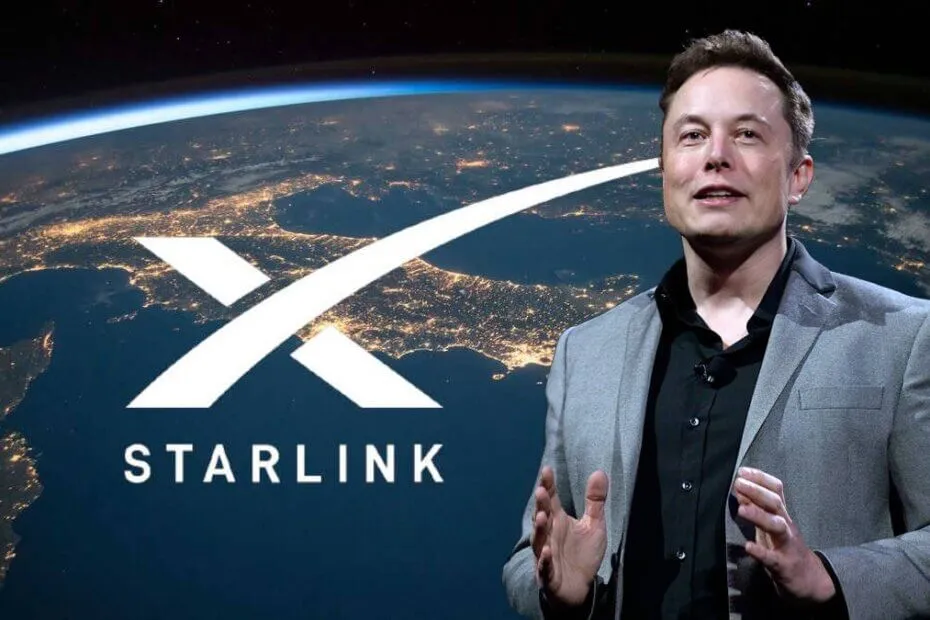
What if the biggest barrier to Ghana’s digital economy — unreliable internet — was finally being dismantled from space? In 2026, Starlink Ghana is no longer a rumor or a luxury; it’s reshaping how businesses operate, students learn, and remote workers compete globally. Here’s exactly what you need to know.
Starlink’s Current Status in Ghana and Africa in 2026
Starlink, operated by SpaceX, has significantly expanded its Starlink Africa 2026 footprint. As of early 2026, Starlink is available in over 30 African countries, with Ghana among the actively served markets following regulatory approval by the National Communications Authority (NCA).
The service operates on SpaceX’s Gen 2 satellite constellation, offering low-earth orbit (LEO) connectivity that dramatically reduces latency compared to traditional geostationary satellites. According to Starlink’s official coverage map, most of Ghana’s major regions — including Greater Accra, Ashanti, and Western Region — now show active service availability.
Pricing Breakdown for Ghanaian Users
Pricing remains one of the most discussed aspects of internet access Ghana via Starlink. Here’s the current structure Ghanaian subscribers are working with in 2026:
- Hardware (dish + router): Approximately GHS 3,500–4,200 (one-time cost), depending on exchange rates
- Residential monthly plan: Approximately GHS 850–1,100/month
- Business plan: Approximately GHS 2,200–3,500/month for priority data and faster speeds
- Roaming/Portability add-on: Available for mobile professionals at a premium
These figures are subject to currency fluctuation given that Starlink bills in USD. Industry observers note that SpaceX has been exploring local currency billing partnerships in select African markets, though Ghana has not yet confirmed such an arrangement.
Starlink vs MTN Ghana: A Realistic Comparison
The Starlink vs MTN Ghana debate is the most practical question for any business owner or professional considering the switch. Both services have distinct strengths depending on your use case.
Speed and Reliability
Starlink’s Gen 2 constellation delivers typical download speeds of 100–300 Mbps in Ghana, with latency averaging 20–40ms — a significant improvement over earlier generations. MTN Ghana’s 4G LTE network, while widely available, typically delivers 15–50 Mbps in urban areas, with congestion during peak hours being a common complaint among users.
For fiber-like performance without fiber infrastructure, Starlink currently wins on raw throughput. However, MTN’s network coverage — especially for mobile users — remains unmatched across Ghana’s 16 regions.
Cost-Effectiveness
MTN Ghana’s broadband packages start as low as GHS 120/month for basic home internet, making Starlink roughly 7–9x more expensive at the entry level. For budget-conscious households, MTN and other local ISPs like Vodafone Ghana and AirtelTigo remain the practical choice.
That said, for businesses where downtime costs money — think e-commerce operations, remote consulting firms, or content studios — the reliability premium of Starlink can justify the cost. You should also explore your [INTERNAL_LINK: guide to choosing the right internet provider for your business] before making a final decision.
Real-World Impact on Ghanaian Small Businesses
Ghana broadband 2026 is no longer just a technical conversation — it’s an economic one. Small and medium enterprises (SMEs) represent over 70% of Ghana’s private sector employment, according to the Ghana Statistical Service. Reliable internet is now a core business utility, not a luxury.
E-Commerce and Digital Retail
Online retailers operating on platforms like Jumia Ghana and Tonaton are reporting faster product upload times, smoother video consultations with suppliers, and more reliable payment gateway connections since switching to or supplementing with Starlink. Inventory management tools that require constant cloud sync are now genuinely usable in peri-urban areas.
Freelancers and Remote Workers
Ghana’s growing freelance economy — particularly in software development, graphic design, and digital marketing — has long been hampered by unstable connections during video calls on Zoom, Google Meet, or Microsoft Teams. Starlink’s low latency changes that equation meaningfully. Remote workers serving international clients in the US and Europe can now reliably meet SLA requirements that were previously difficult to guarantee.
For a deeper look at how remote professionals can maximize their setup, check out this [INTERNAL_LINK: remote work productivity guide for African freelancers].
Impact on Students and Educational Access
Ghana’s education sector is undergoing a quiet revolution. With the government’s push toward digital learning through initiatives like the Ghana EdTech agenda, internet access Ghana has become an equity issue as much as a technology one.
University and Polytechnic Students
Students at institutions like KNUST, University of Ghana, and Ashesi University are increasingly relying on cloud-based research tools, AI-assisted learning platforms, and video lectures. Starlink-enabled dormitories and study hubs — some set up by student cooperatives pooling subscription costs — are emerging as a grassroots solution to campus connectivity gaps.
Rural Education Gaps
Perhaps the most transformative potential lies in rural Ghana. Schools in the Northern and Upper East regions, where fiber infrastructure is years away, can now access Starlink with a clear sky view and a power source. NGOs and development organizations are actively piloting Starlink deployments in rural schools, with early results showing measurable improvements in student engagement with digital curricula, according to reports from GSMA’s Mobile for Development initiative.
Content Creators and the Creator Economy
Ghana’s creator economy is booming. YouTube channels, podcasts, and TikTok content from Ghanaian creators are reaching global audiences — but upload speeds have historically been a bottleneck. A 4K video that might take 20 minutes to upload on a congested LTE connection can now upload in under 4 minutes on Starlink.
This isn’t just convenience — it’s competitive parity. Ghanaian creators can now operate on the same technical footing as counterparts in Europe or North America. Platforms like YouTube reward consistent upload schedules, and reliable connectivity makes that consistency achievable. Learn more about how to [INTERNAL_LINK: monetize your content as an African digital creator] in today’s landscape.
Challenges and Limitations to Consider
No technology is without friction. Here are the honest limitations of Starlink in Ghana that decision-makers should factor in:
- Upfront hardware cost: The dish and router investment remains prohibitive for many households and micro-businesses
- Power dependency: Starlink requires consistent electricity. In areas with frequent outages, a UPS or solar backup is essential — adding to total cost
- Weather sensitivity: Heavy rainfall (common in Ghana’s rainy seasons) can cause temporary signal degradation
- Regulatory uncertainty: Spectrum licensing and data sovereignty regulations in Ghana are still evolving, per the National Communications Authority of Ghana
- No mobile coverage: Unlike MTN, Starlink is a fixed or semi-portable solution — not a replacement for mobile data on the go
Key Takeaways
- Starlink is actively available across major Ghanaian regions in 2026, with speeds of 100–300 Mbps and latency of 20–40ms
- Monthly costs are 7–9x higher than local ISPs, making it best suited for businesses and power users with clear ROI
- A hybrid Starlink + MTN setup offers the best balance of performance and coverage for most SMEs
- Rural schools and educational institutions stand to gain the most transformative benefit from Starlink deployment
- Content creators gain competitive parity with global peers through dramatically faster upload speeds
- Power reliability and upfront hardware costs remain the primary adoption barriers in Ghana
Frequently Asked Questions
Is Starlink officially available in Ghana in 2026?
Yes. Starlink received regulatory clearance from Ghana’s National Communications Authority and is actively serving customers across Greater Accra, Ashanti, Western, and several other regions. Some rural northern areas may still show limited or waitlist availability — always verify on Starlink’s live coverage map before purchasing.
How much does Starlink cost per month in Ghana?
As of 2026, residential plans cost approximately GHS 850–1,100 per month, with a one-time hardware cost of GHS 3,500–4,200. Business plans with priority data run GHS 2,200–3,500/month. Prices fluctuate with USD/GHS exchange rates since billing is in US dollars.
Is Starlink better than MTN Ghana for businesses?
For fixed-location businesses requiring high throughput and low latency — such as software firms, media studios, or e-commerce operations — Starlink generally outperforms MTN’s LTE network on speed and reliability. However, MTN offers broader geographic coverage, mobile access, and significantly lower pricing. Many businesses use both in a hybrid configuration.
Can students in rural Ghana realistically use Starlink?
Yes, with two conditions: a clear view of the sky and a reliable power source. The hardware cost is the main barrier, but NGO-funded deployments and school cooperative models are making it increasingly accessible. Early pilot programs in the Northern Region show promising results for digital learning outcomes.
Will Starlink prices drop in Ghana in the near future?
Industry analysts generally expect gradual price reductions as SpaceX scales its Gen 2 constellation and competition from other LEO providers like Amazon’s Project Kuiper increases. However, no official price reduction has been announced for the Ghanaian market as of early 2026. Local currency billing partnerships, if established, could also improve affordability significantly.