MTN Ghana Is Now Africa’s Third Most Strategic Telecom — $1.1 Billion Investment, 500 New Sites, AI Anti-Fraud Tools and 5G Coming in 2026
MTN Group CEO Ralph Mupita officially elevates Ghana alongside Nigeria and South Africa — and backs it with a landmark capital commitment that could reshape the country's digital landscape for a generation.

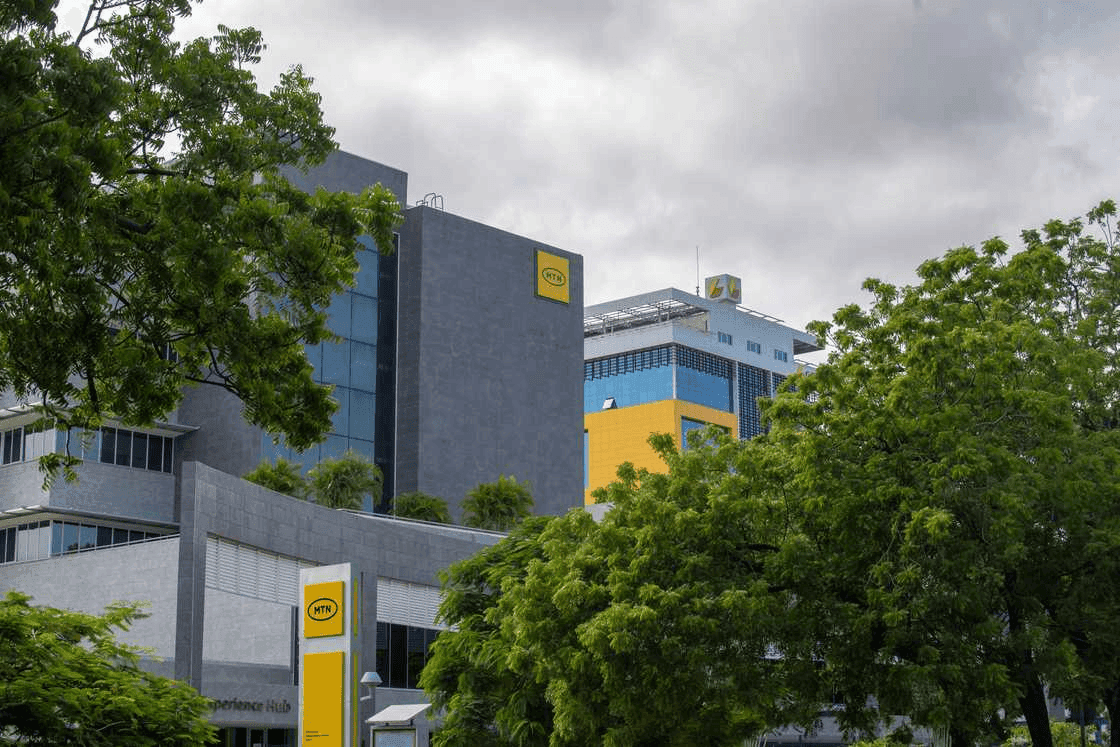
In a move that signals growing confidence in Ghana’s economy and digital potential, MTN Group has formally elevated MTN Ghana to the status of a major subsidiary — placing it in the same elite tier as South Africa and Nigeria. The announcement was made by MTN Group President and CEO Ralph Mupita during a high-level three-day working visit to Accra that concluded on February 20, 2026, and came with a concrete financial commitment: $1.1 billion to be deployed in Ghana over the next three years.
For a country that just weeks later would hear President Mahama declare Ghana’s economy is in “take-off mode” at the State of the Nation Address, the MTN news lands as powerful independent corroboration — a $1.1 billion vote of confidence from one of the continent’s largest corporations.
“This year, we are adding Ghana as the third major subsidiary for the whole group, purely as a function of the way it has performed and the potential that we see going forward.” — Ralph Mupita, MTN Group CEO
MTN Ghana — Key Numbers at a Glance
- $1.1 Billion — Capital expenditure pledged over 3 years (2026–2028)
- $1 Billion — Already invested by MTN Ghana over the past 5 years
- 500 New Sites — Network towers to be deployed in 2026 alone (vs. ~50 in 2025)
- 5,000+ Sites — Existing MTN Ghana network sites nationwide
- $2 Million — Committed to the One Million Coders youth digital skills programme
- $6.2 Billion — MTN Group’s acquisition of remaining 75% stake in IHS Towers
- #1 in Group — MTN Ghana named best-performing operation in 2025 Million Dollar Challenge
Why Ghana — Why Now?
The elevation of MTN Ghana is not merely ceremonial. It reflects a sustained period of outperformance. In 2025, MTN Ghana was named the overall winner of MTN Group’s internal “Million Dollar Challenge” — a prestigious benchmark that assesses operational excellence, customer service, and strategic execution across all 18 of the group’s markets in Africa and the Middle East. MTN Ghana’s fintech arm, MobileMoney Ltd (MML), also won in the Fintech category, and MML CEO Shaibu Haruna was named Fintech CEO of the Year.
The timing of the announcement is also significant. Ghana’s macroeconomic environment has visibly stabilised — inflation has dropped from 54% in 2022 to approximately 3.8% by January 2026, the cedi has strengthened, and the country’s credit ratings have been upgraded by Fitch, Moody’s, and S&P. For a corporation making billion-dollar bets, these are not minor details. MTN’s decision to accelerate its Ghana investment from $1 billion over five years to $1.1 billion over three is a direct response to that improving environment.
GIPC CEO Simon Madjie welcomed the commitment as a vote of confidence in Ghana’s investment climate, noting that the country’s inflation stabilisation and fiscal reforms had made it “an increasingly attractive destination for capital.”
The 500-Site Blitz — What It Means for Ghanaians
Perhaps the most operationally striking disclosure from MTN Ghana CEO Stephen Blewett was the sheer scale of the 2026 network expansion. MTN Ghana built just 50 new telecom sites in 2025 and between 25 and 30 in 2024. This year, it will install at least 500 — a tenfold acceleration in a single year.
For ordinary Ghanaians — in cities, peri-urban areas, and rural communities — this means faster data speeds, more reliable calls, and better mobile money connectivity. For businesses, it represents improved infrastructure for digital commerce. For the diaspora, it means families back home will have better access to WhatsApp calls, video streaming, and mobile banking.
Discussions with Communications Minister Samuel Nartey George also focused on the release of 5G spectrum in Ghana. Mupita highlighted Fixed Wireless Access (FWA) — combining 700 MHz and 3,500 MHz spectrum bands — as a means of delivering broadband-class speeds directly to Ghanaian homes without requiring fibre cables. If realised, this could be transformative for rural broadband access.
AI Against Fraud — MTN and the Bank of Ghana Team Up
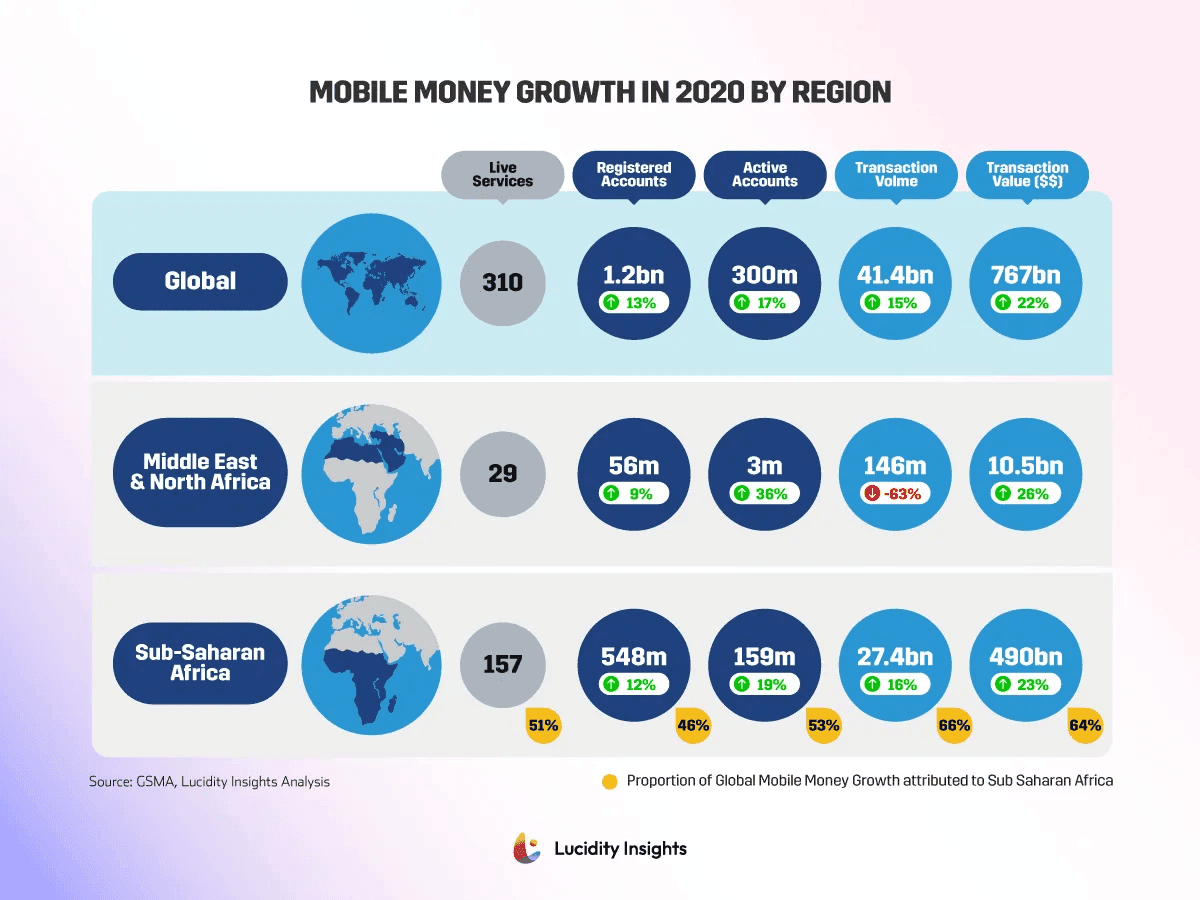
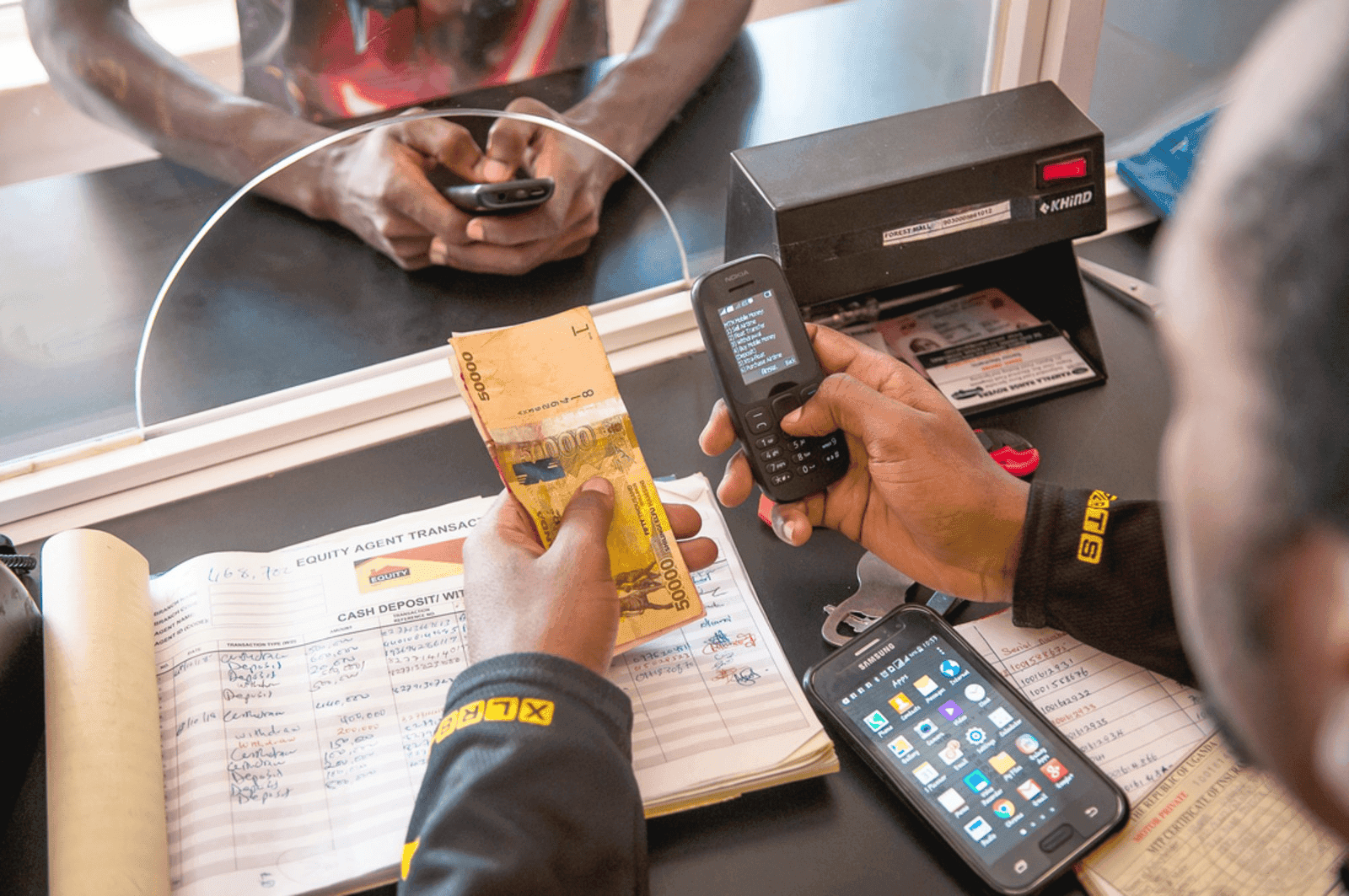
One of the most practically significant announcements from Mupita’s visit concerns mobile money fraud — a growing problem that has cost ordinary Ghanaians billions of cedis in recent years. MTN Group confirmed it will deploy artificial intelligence tools in collaboration with the Bank of Ghana specifically to combat scams and fraud in the mobile money ecosystem.
“We are going to bring artificial intelligence to improve the ability to deal with scams and fraud that we see particularly in the mobile money market,” Mupita said. For the millions of Ghanaians — and diaspora members — who rely on MoMo to send and receive money, this is not an abstract tech story. It is a direct promise to make their financial lives safer.
The Bank of Ghana meetings also centred on expanding mobile money services beyond traditional USSD-based operations, signalling a push toward more sophisticated app-based and data-driven financial products. MTN’s fintech arm is clearly being positioned as a major player in Ghana’s broader financial inclusion agenda.
Youth, Creativity and the Digital Economy Vision
Beyond the hard infrastructure numbers, Mupita articulated a vision for Ghana’s digital future that goes beyond connectivity. He reaffirmed a $2 million commitment by MTN Ghana to the One Million Coders programme — aimed at training young Ghanaians in digital skills — and spoke extensively about supporting the country’s creative economy.
“There’s a lot of talent in this country. How do we leverage the digital economy to create a platform for that talent — to build their own creative content they can sell and build businesses around?” he said. The framing positions MTN not merely as an infrastructure provider, but as a stakeholder in Ghana’s human capital development.
He cited India’s digital economy transformation as a reference point, drawing a direct comparison to what Ghana could achieve. “Ghana has the raw talent, human capital, and infrastructure to achieve similar socio-economic transformation. Nothing stops Ghana from fulfilling its ambitions by deploying digital infrastructure and leveraging the digital economy.”
The IHS Towers Deal — How It Connects to Ghana
MTN’s Ghana announcement came weeks after the Group made its largest infrastructure move in years: acquiring the remaining 75% stake in IHS Towers — one of the largest tower infrastructure companies in Africa — for approximately $6.2 billion. IHS operates across MTN’s markets, including Ghana.
The acquisition gives MTN direct control over the physical infrastructure underpinning its networks, reducing dependency on third-party operators and giving the group more flexibility to accelerate rollouts like the 500-site Ghana expansion. For Ghanaians, this behind-the-scenes structural shift means MTN’s network investments in the country are now more deeply integrated into the Group’s long-term strategic architecture.
What This Means for Ghana’s Bigger Picture
Taken together, MTN’s announcements during the February 2026 Accra visit represent one of the most significant private sector technology investments Ghana has received in years. At a time when President Mahama is declaring the economy has turned a corner, and when credit rating agencies are upgrading Ghana’s sovereign outlook, the MTN elevation adds a powerful layer of corporate credibility to that narrative.
For Ghanaians in the diaspora — many of whom use MoMo to support families back home, and who closely follow Ghana’s economic trajectory — the news is cause for genuine optimism. When Africa’s largest telecom group bets $1.1 billion on your country’s future, it is paying attention.