Gyakie Pays Tribute to Ebo Taylor on BBC, Credits Legend for Shaping Her Sound
Rising Afro-fusion star honours cross-generational influence of legendary Ghanaian musician, highlighting the enduring relevance of highlife heritage in contemporary sounds.

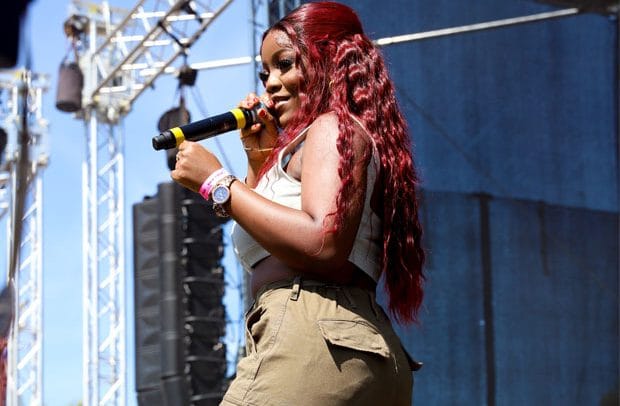
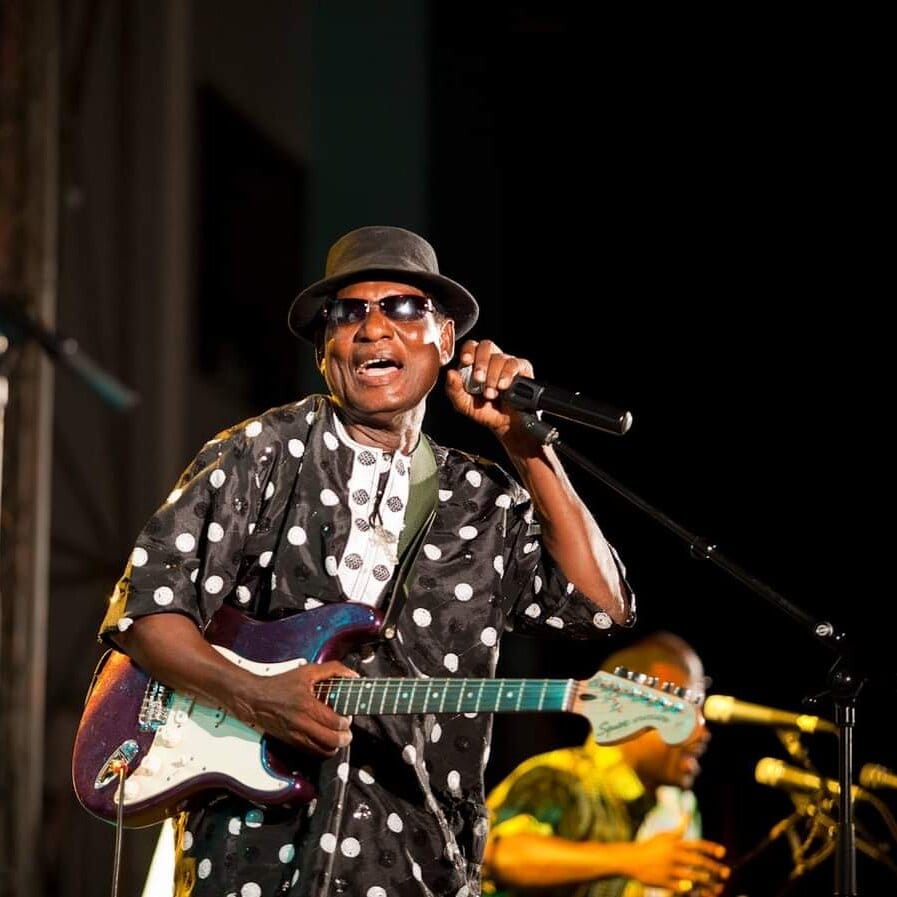
Ghanaian Afro-fusion sensation Gyakie has paid tribute to legendary musician Ebo Taylor in a feature on the BBC, crediting the highlife icon for shaping her distinctive sound and connecting contemporary Ghanaian music to its rich heritage.
The recognition underscores the cross-generational influences that continue to shape Ghana’s vibrant music scene, where traditional highlife rhythms blend with contemporary Afrobeats and international production styles to create sounds that resonate globally.
Musical Heritage
Ebo Taylor, whose career spans decades, represents the golden era of Ghanaian highlife and Afrobeat—a period that established the foundations upon which contemporary artists continue to build. His compositions and arrangements have influenced multiple generations of Ghanaian musicians, creating a musical continuum that connects the past to the present.
For Gyakie, daughter of renowned highlife musician Nana Acheampong, music runs in the family. She has previously spoken about spending time in her father’s studio from age eight, absorbing the craft that would later define her career trajectory.
Her tribute to Ebo Taylor adds another dimension to this narrative, highlighting how established masters continue to inspire and guide emerging talents even as the industry evolves and expands its global reach.
International Recognition
Gyakie’s BBC appearance reflects her growing international profile. With 328 million Spotify streams in recent counts, her soulful Afro-fusion sound has resonated strongly across borders, with tracks like “Forever” achieving sustained global popularity.
Her “After Midnight” album reached the top of Apple Music Ghana’s Albums Chart, further cementing her position as one of the country’s leading contemporary artists.
The recognition from international platforms validates Ghana’s music industry, which observers describe as “not just alive” but “breathing, sweating, dancing and exporting culture with confidence.”
Industry Vibrancy
Gyakie’s tribute comes amid continued strength in Ghanaian music. From the palm-wine-soaked roots of highlife to the rebellious energy of Asakaa (Ghana’s drill scene), from spirit-filled gospel to global Afrobeats anthems, the Ghanaian soundscape remains rich and diverse.
Fellow artists continue to demonstrate this vibrancy. Sarkodie remains Ghana’s undisputed rap heavyweight, with his annual Rapperholic concert series selling out major venues. Stonebwoy’s reggae-dancehall fusion attracts devoted global audiences. Black Sherif’s storytelling prowess has made him a defining voice of Ghana’s new wave.
Producer Afrolektra has emerged as a standout creative force, with credits on major releases including Black Sherif’s “Iron Boy,” Gyakie’s “After Midnight,” and Omar Sterling’s “VTH 2″—all of which reached number one on Apple Music Ghana.
Cross-Generational Legacy
The tribute to Ebo Taylor reflects a broader trend of younger artists acknowledging their musical debts to predecessors. This recognition helps preserve Ghana’s musical heritage while demonstrating how traditional forms continue to inform contemporary creativity.
As Ghana’s music industry expands its global footprint, maintaining these cross-generational connections ensures that international success remains rooted in authentic cultural expression rather than mere imitation of external trends.
“Ghana’s music industry is not just alive. It is breathing, sweating, dancing and exporting culture with confidence.”
— Industry analysis