Ghanaian Musicians 2026: 7 Powerful Artists Dominating Global Streaming
Discover the top Ghanaian musicians 2026 dominating global streaming — plus the business strategies and brand deals fueling their international rise.

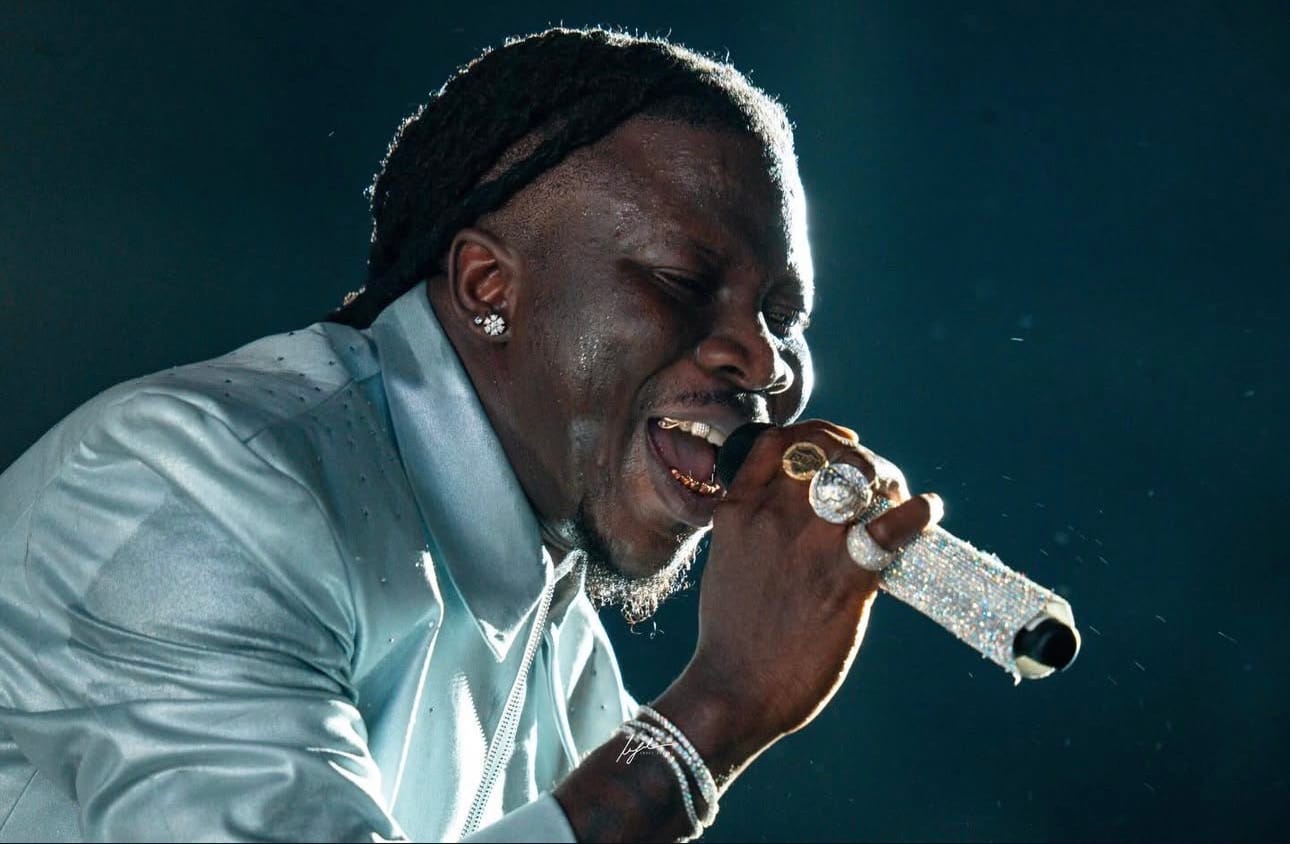
Ghana’s music scene has quietly become one of the most powerful forces in global entertainment — and the numbers are starting to reflect it. In 2026, Ghanaian musicians are racking up billions of streams, landing major brand deals, and reshaping how the world perceives African music. Here’s exactly who’s leading the charge and what’s driving their international breakthrough.
Why Ghana’s Music Industry Is Having a Global Moment in 2026
The Ghana music industry 2026 landscape looks dramatically different from just five years ago. Streaming infrastructure improvements across West Africa, combined with diaspora-driven playlist curation on Spotify and Apple Music, have created a pipeline that didn’t exist before.
According to IFPI’s Global Music Report, Sub-Saharan Africa remains one of the fastest-growing music markets globally, with streaming revenues climbing year over year. Ghana sits at the center of that growth, punching well above its weight relative to population size.
What separates Ghana’s artists from the pack isn’t just talent — it’s sophisticated business strategy. Management teams are now negotiating global distribution deals, sync licensing agreements, and brand partnerships that rival what Western artists command.
The Top 7 Ghanaian Artists Dominating Global Streaming in 2026
1. Stonebwoy
Stonebwoy continues to be Ghana’s most consistent international export. His fusion of Afrobeats, dancehall, and reggae has earned him dedicated fanbases across Europe, North America, and the Caribbean. In 2026, his Spotify monthly listener count consistently sits in the tens of millions, driven by strategic playlist placements and a relentless touring schedule.
His management team has been particularly sharp about sync licensing — placing his music in international TV productions and streaming series, which dramatically expands reach beyond traditional music fans. He’s also a model case for how African artists can leverage sync licensing deals for passive income.
2. Black Sherif
Black Sherif broke through with a raw, emotionally resonant sound that defied easy categorization, and he’s only grown since. His ability to blend Twi, Hausa, and English lyrics gives him cross-regional appeal that few artists can replicate. His YouTube channel has become a primary revenue and discovery vehicle, with music videos regularly crossing 50 million views.
His brand partnerships in 2026 include collaborations with global sportswear companies and telecom brands, reflecting how Ghanaian artists internationally are now seen as credible commercial partners — not just cultural curiosities.
3. Sarkodie
The undisputed king of Ghanaian hip-hop, Sarkodie has spent years building infrastructure that sustains long-term global relevance. His label, Sarkcess Music, operates more like a media company than a traditional record label, handling artist development, content production, and brand consulting.
In 2026, Sarkodie’s strategic collaborations with artists from Nigeria, the UK, and the US continue to drive cross-market streaming numbers. His approach is a masterclass in building a sustainable music business in Africa.
4. Gyakie
Gyakie represents a new generation of Ghanaian female artists who are competing at the highest global level. Her breakout hit “Forever” demonstrated that Ghanaian Afrobeats could dominate TikTok virality cycles just as effectively as Nigerian counterparts. In 2026, she’s signed with a major international management firm and has expanded into brand ambassador roles with luxury and lifestyle companies.
Her Apple Music presence is particularly strong, with editorial placements on flagship African and global playlists that drive consistent monthly listener growth. Industry research suggests female-led Afrobeats acts are seeing above-average engagement rates on streaming platforms in 2026.
5. KiDi
KiDi‘s smooth Afropop sound has made him one of the most streamed Ghana Afrobeats global streaming success stories of the decade. Signed to Lynx Entertainment, his team has been methodical about international rollouts — staggering release dates to maximize algorithmic momentum across different regional markets.
His 2026 collaborations span artists from Cameroon, Ivory Coast, and Jamaica, reflecting a pan-African and pan-Caribbean strategy that broadens his listener base without diluting his core identity.
6. Amaarae
Amaarae is perhaps the most genre-fluid artist on this list, blending Afropop, R&B, and alternative sounds in ways that resonate deeply with younger global audiences. Her signing to a major international label gave her access to marketing budgets and playlist relationships that accelerated her growth significantly.
In 2026, she’s one of the few Ghanaian artists with a strong foothold in markets like Japan and South Korea, where her aesthetic-driven visual content performs exceptionally well. She’s a compelling example of how Ghanaian musicians 2026 are thinking beyond English-speaking markets.
7. Kuami Eugene
Kuami Eugene rounds out this list with a catalog that blends highlife traditions with contemporary Afrobeats production. His ability to appeal to both older Ghanaian audiences and younger global listeners makes him uniquely positioned for long-term relevance. His management has been aggressive about live performance deals in Europe and North America, where the Ghanaian diaspora provides a reliable and passionate audience base.
His 2026 brand partnerships include collaborations with pan-African fintech companies, signaling how top Ghanaian artists are increasingly aligned with the continent’s broader tech and business ecosystem.

The Business Strategies Driving Ghana’s Global Music Expansion
Management and Distribution Infrastructure
The artists dominating Ghana Afrobeats global streaming in 2026 share one common thread: professional management infrastructure. Whether through homegrown firms or partnerships with international agencies, these artists have teams that understand digital marketing, rights management, and brand strategy.
Platforms like DistroKid and TuneCore have lowered the barrier to global distribution, but the artists at the top are using major distributors with label services arms — giving them access to playlist pitching, marketing support, and sync licensing networks that independent distribution alone can’t provide.
Brand Partnerships as Revenue Diversification
Streaming royalties alone don’t build wealth at scale. The smartest artists in the Ghana music industry 2026 are treating brand partnerships as a primary revenue stream, not an afterthought. Telecom companies, beverage brands, fintech startups, and global sportswear labels are all actively courting top Ghanaian talent.
This mirrors a global trend where artists function as media companies — their music is the content engine that drives brand value, which is then monetized through partnerships, merchandise, and experiences.
The Diaspora Multiplier Effect
Ghana’s diaspora communities in the UK, US, Canada, and Germany serve as cultural ambassadors and first-mover audiences. When a new track drops, diaspora listeners are often the first to stream, share, and create content around it — triggering algorithmic signals that push the music to broader audiences.
Smart management teams actively engage diaspora communities through targeted social media campaigns, exclusive listening events, and community partnerships. This is a replicable playbook that any emerging Ghanaian artists internationally should study closely.
What This Means for Ghana’s Creative Economy
The global success of these artists isn’t just a cultural win — it’s an economic one. According to UNCTAD’s Creative Economy Outlook, creative industries represent a significant and growing share of GDP in developing economies when properly supported.
Ghana’s government and private sector are beginning to recognize music as critical infrastructure. Investment in recording studios, music education, and intellectual property frameworks is slowly accelerating. The artists on this list are essentially proof-of-concept for what’s possible when talent meets professional infrastructure.
The ripple effects extend to tourism, fashion, food, and film — industries that benefit when a country’s cultural profile rises globally. Every Stonebwoy concert in London or Amaarae feature on a global playlist is also a soft-power advertisement for Ghana as a destination and a business environment. This connects directly to how Ghana’s creative economy is attracting foreign investment in 2026.
Key Takeaways
- Ghana’s top artists are driving billions of streams through strategic playlist placement, diaspora engagement, and cross-market collaborations.
- Professional management infrastructure — not just talent — is the primary differentiator for artists breaking into international markets.
- Brand partnerships have become a critical revenue stream, with Ghanaian artists now commanding deals with global companies.
- The diaspora multiplier effect is a replicable strategy that amplifies algorithmic momentum on streaming platforms.
- Ghana’s music success is generating broader creative economy benefits, from tourism to tech partnerships.
- Female artists like Gyakie and Amaarae are leading a new wave of globally competitive Ghanaian talent.
Frequently Asked Questions
Who is the most streamed Ghanaian musician in 2026?
Stonebwoy and Black Sherif consistently rank among the most streamed Ghanaian artists globally in 2026, with both maintaining tens of millions of monthly listeners on Spotify. Sarkodie remains the dominant force in hip-hop streaming, while Amaarae leads in alternative and R&B-adjacent markets.
How are Ghanaian artists getting onto major international playlists?
A combination of professional distribution partnerships, editorial pitching through Spotify for Artists, and diaspora-driven organic streaming signals are the primary pathways. Artists with major label or label services deals also benefit from direct relationships with playlist editors at streaming platforms.
What makes Ghana’s Afrobeats sound different from Nigeria’s?
Ghanaian Afrobeats — sometimes called Afropop or highlife-influenced Afrobeats — tends to incorporate more highlife rhythms, Twi language elements, and a slightly different production aesthetic compared to Nigerian Afrobeats. Artists like Kuami Eugene and KiDi are particularly known for weaving traditional Ghanaian musical DNA into contemporary production frameworks.
Are Ghanaian artists signing with major international labels in 2026?
Yes, several top Ghanaian artists have either signed with major international labels or entered distribution and services deals with their subsidiaries. Amaarae is a prominent example. However, many artists are also choosing to retain independence while using label services for marketing and distribution support — a model that preserves more long-term ownership and revenue.
How is Ghana’s government supporting the music industry?
Ghana’s creative sector has seen growing government attention, with initiatives aimed at strengthening intellectual property enforcement, supporting music education, and promoting Ghanaian culture internationally. However, industry experts generally recommend that private sector investment and artist-led infrastructure building remain the primary drivers of growth, with government playing a facilitative rather than directive role.