Ghana and UAE Sign $1 Billion Deal to Build Africa’s Largest AI and Innovation Hub
Landmark agreement positions Ghana as regional technology leader with integrated hub supporting AI engineering, data operations, and startup ecosystem development in Ningo-Prampram.

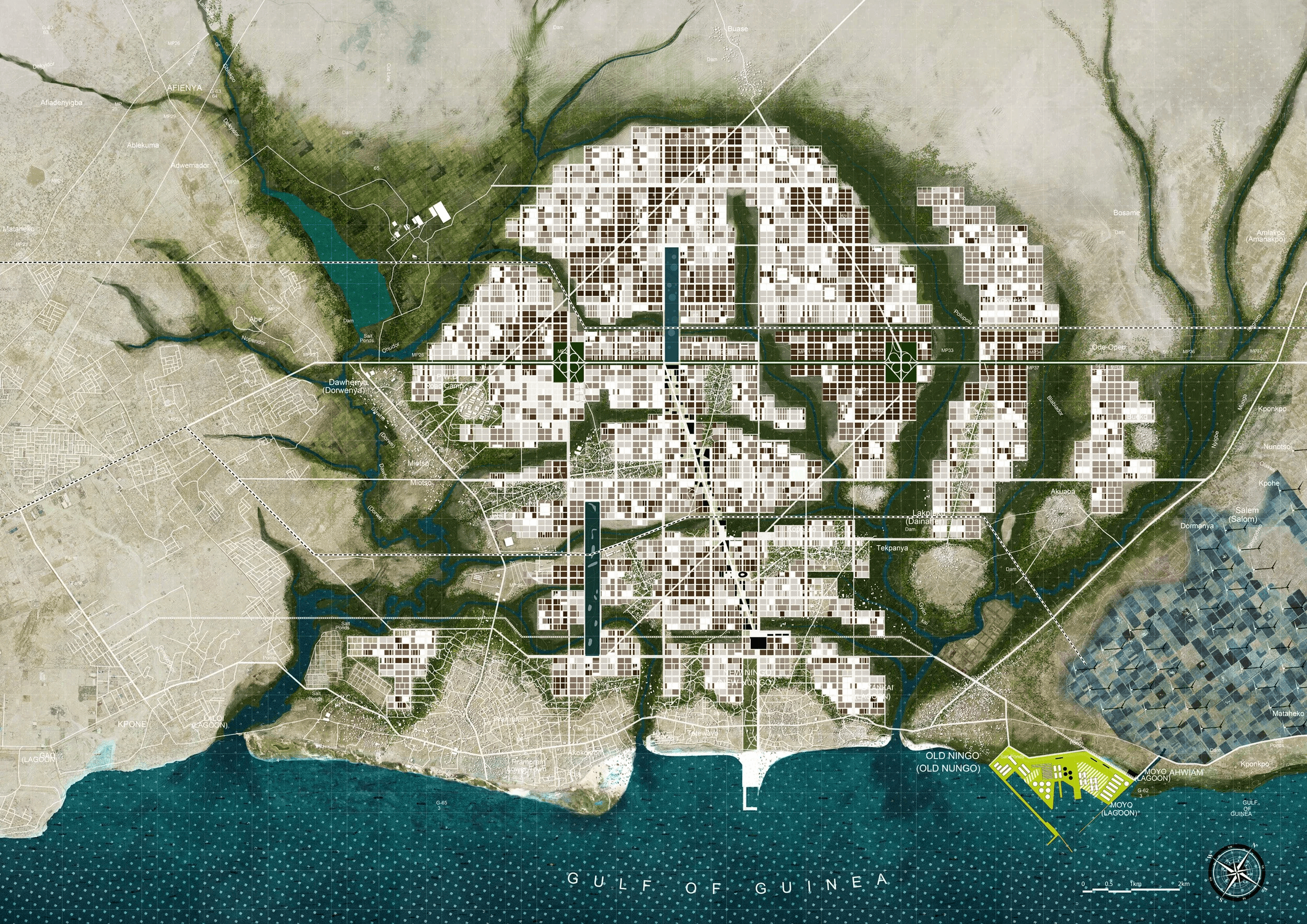
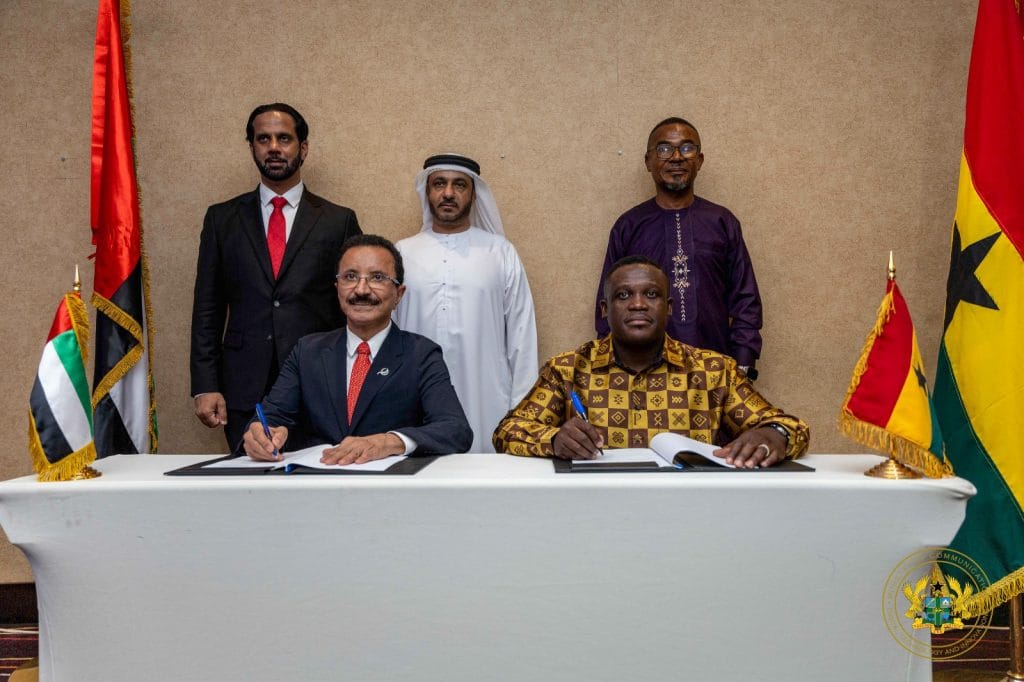
Ghana and the United Arab Emirates have signed a landmark $1 billion strategic investment agreement to develop what is positioned as Africa’s largest integrated innovation and artificial intelligence hub.
The project, to be developed in Ningo-Prampram in the Greater Accra Region, represents one of the largest single technology investments announced in Ghana to date, signalling growing international confidence in the country’s digital and economic prospects.
Under the arrangement, Ghana will provide approximately 25 square kilometres of land and the policy framework, while the UAE, through the Ports, Customs and Free Zone Corporation (PCFC), will finance and oversee development. Construction is scheduled to begin in 2026, with the first phase expected to complete by late 2027.
Hub Capabilities
Officials describe the development as more than a conventional technology park. The hub is designed as an integrated ecosystem supporting AI engineering and applied research, business process outsourcing, knowledge process outsourcing, and Africa-focused data and machine learning operations.
A substantial share of the $1 billion investment will be directed towards artificial intelligence and advanced computing infrastructure, including a Tier IV data centre offering the highest levels of redundancy and stability for training and running complex machine learning models.
The hub is designed to attract multinational technology companies including Microsoft, Meta, Oracle, IBM, and Alphabet to operate in Ghana and serve African markets, while simultaneously strengthening local enterprise capacity and skills development.
Ecosystem Investment
To support long-term ecosystem development, $250 million has been allocated to innovation, talent, and capital formation. This includes $75 million for a Ghana–UAE AI and Web3 campus supported by the Dubai Future Foundation, and $100 million for a Ghana Startup Fund backed by ADQ and Chimera Capital.
A further $75 million will fund an annual UAE–Ghana Innovation and AI Summit, known as GAIX, creating a recurring platform for technology exchange and partnership development.
Jobs and Skills
The hub is expected to generate tens of thousands of jobs spanning software engineering, data science, operations, cybersecurity, and network management. This aligns with existing Ghanaian initiatives including the One Million Coders programme aimed at building world-class tech skills among young people.
Project officials note that having an actual innovation hub means jobs and opportunities are created domestically rather than flowing to other markets, a key consideration for policymakers focused on youth employment and economic diversification.
Strategic Significance
For Ghana, the project reinforces ambitions to position the country as a regional digital and innovation hub while creating employment opportunities and supporting skills transfer. For the UAE, the deal aligns with strategy to expand its global technology footprint through partnerships in emerging markets.
The agreement reflects a broader shift towards long-term, infrastructure-led technology investment in Africa, where digital transformation is increasingly viewed as essential to economic development and international competitiveness.
“The hub is expected to generate tens of thousands of jobs—from software engineering and data science to operations, cybersecurity, and network management.”
— Project officials