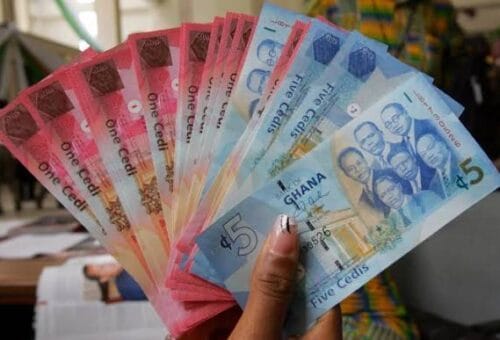
Ghana’s T-Bill Rate Just Hit 6.5% — The Lowest in Nearly a Decade. Here’s Why That Matters for Businesses, Investors and the Diaspora
Ghana's 91-day Treasury bill rate has collapsed from a 2022 crisis peak of over 35% to just 6.5% in February 2026 — a transformation that signals restored macroeconomic credibility. But analysts warn that commercial lending rates at 20% still leave most businesses shut out of affordable credit.


If you wanted a single number to capture Ghana’s remarkable macroeconomic turnaround since the 2022 debt crisis, 6.5 percent might be it. That is the current yield on Ghana’s 91-day Treasury bill — the benchmark for the country’s domestic borrowing costs — as of February 2026. It is the lowest the rate has been in nearly a decade, and its journey to this level is a story of fiscal discipline, monetary tightening, and restored creditor confidence that few observers predicted was possible this quickly.
At the height of Ghana’s debt crisis in 2022, the same 91-day T-bill rate surged past 35 percent as the government competed aggressively with the private sector for a shrinking pool of domestic liquidity — a phenomenon economists call the crowding-out effect. By end-2024 it was still at 27.7 percent. By December 2025 it had fallen to 11 percent. And in February 2026’s auction, it eased further to 6.5 percent — a decline of more than 21 percentage points in just 14 months.
“From 27.7% at end-2024 to 6.5% in February 2026 — this pace of decline is without precedent in recent Ghanaian financial history.” — News Ghana financial analysis, February 2026
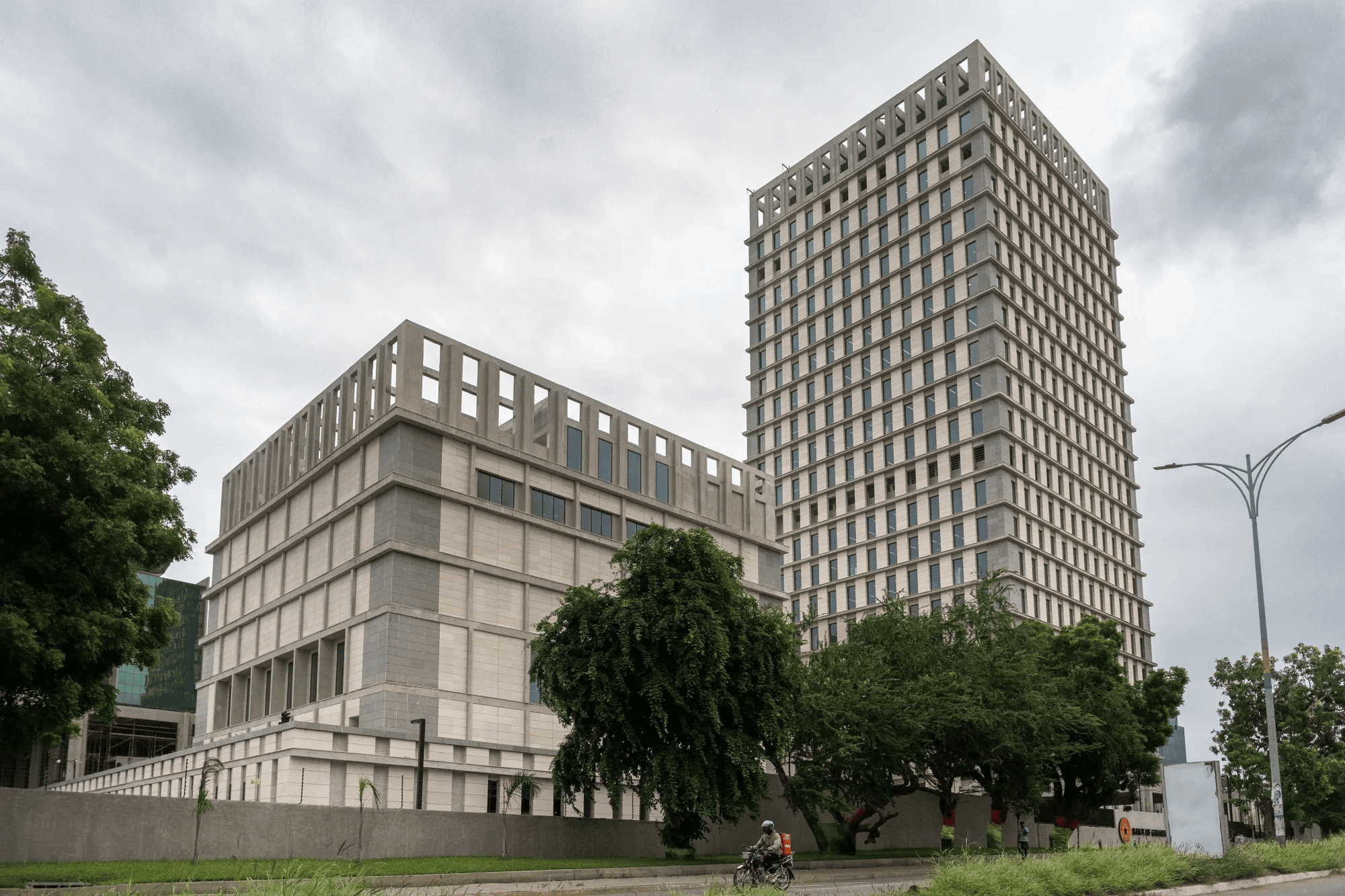
What Is Driving the Decline?
The collapse in T-bill yields reflects several converging forces. Inflation has fallen for 13 consecutive months, reaching 3.8 percent in January 2026 — down from 23.8 percent at end-2024. The Bank of Ghana cut its Monetary Policy Rate by 350 basis points to 18 percent in December 2025, feeding directly into the Ghana Reference Rate (GRR) that anchors commercial borrowing costs. The cedi has strengthened 40.7 percent against the US dollar in 2025. And the government has maintained fiscal discipline, running a primary surplus and reducing public debt from 61.8 percent to 45.3 percent of GDP.
The T-bill auctions have also been oversubscribed for 13 consecutive weeks, meaning the government has more than enough demand to fund itself at progressively lower rates. In the latest auction, total bids reached GH¢25.2 billion against a target of GH¢9.32 billion — an oversubscription rate of 170 percent. The government accepted GH¢11.41 billion, taking more than its target where yields were sufficiently low.
The Bank Stock Warning
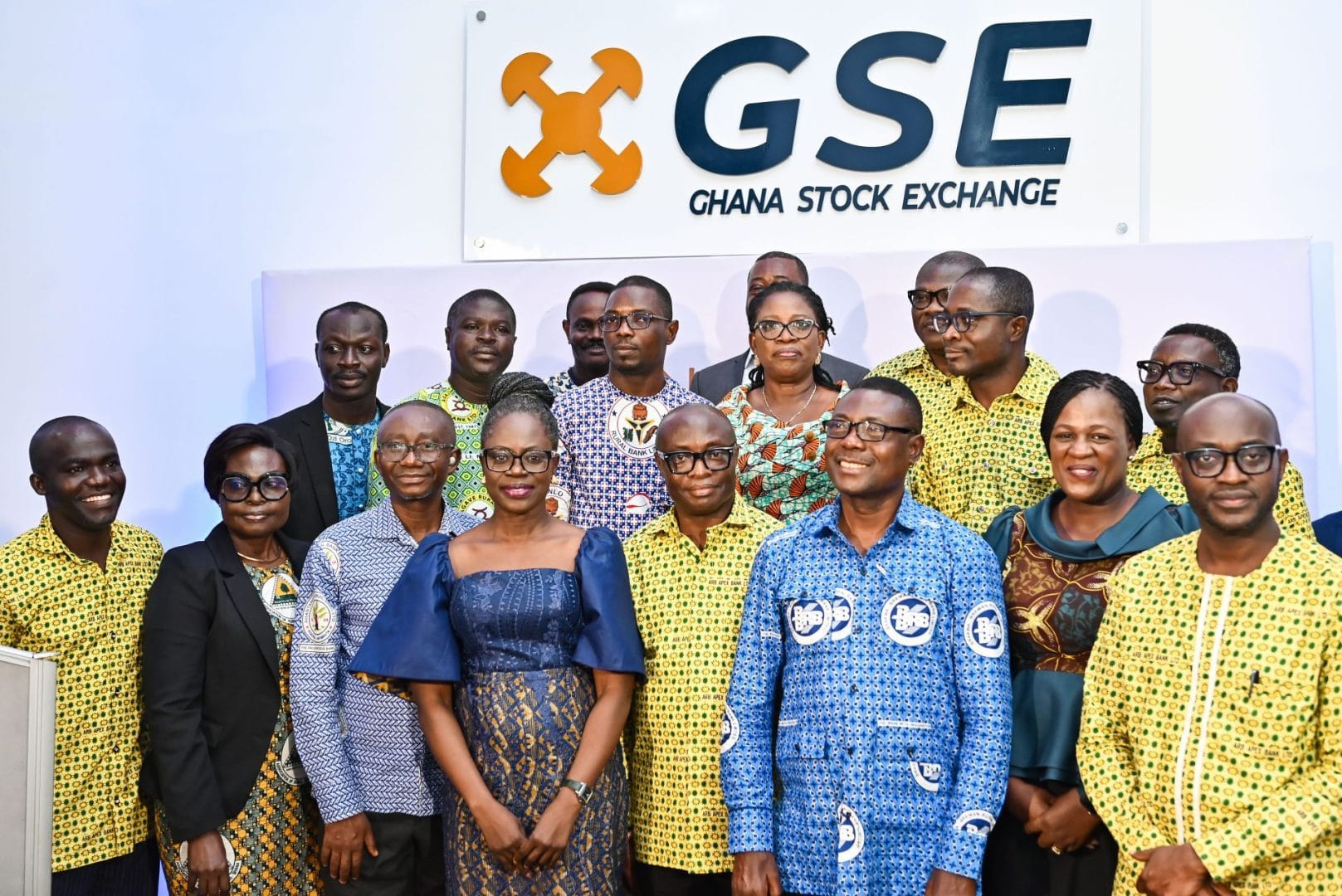
Not everyone is celebrating the T-bill crash. Ghana’s commercial banks have historically allocated large shares of customer deposits into government securities. As yields shrink, the net interest income that banks earn on those assets compresses — potentially significantly. Republic Bank Ghana, SIC Insurance, Access Bank Ghana, and GCB Bank have all posted sharp share price advances on the Ghana Stock Exchange in recent sessions, but analysts at investment firm Black Star project that these gains may be running ahead of the earnings reality that will emerge in 2026 as full-year results are published under the new low-rate environment.
The Business Reality — Better, But Still Not Enough
For ordinary Ghanaian businesses, the 6.5 percent T-bill rate remains largely an indicator, not an experience. The average commercial bank lending rate has fallen from 30.25 percent in 2024 to 20.45 percent in 2025 — a meaningful improvement, but still leaving the spread between government and private borrowing costs at approximately 14 percentage points. A business borrowing at 20 percent to invest in a sector yielding 15 percent remains financially unviable.
Bank of Ghana Governor Johnson Asiama has publicly committed to pushing average lending rates down to 10 percent — a target that, if achieved, would fundamentally transform the economics of productive investment in Ghana. The question is whether the government can maintain fiscal discipline through its debt repayment cycle — facing GH¢20 billion in domestic obligations in 2026 and GH¢50.3 billion in 2027 — without triggering the crowding-out effect that drove rates to 35 percent in the first place.