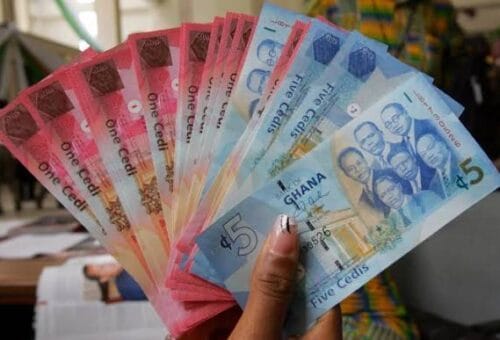
Ghana Cuts Cocoa Price by 29% — Farmers Lose GH¢1,038 per Bag, COCOBOD Faces Criminal Investigation
The Producer Price Review Committee has slashed Ghana's cocoa farmgate price from GH¢3,625 to GH¢2,587 per bag after global prices plunged from $7,200 to $4,100 per tonne. Behind the numbers lies a deeper crisis of financing, smuggling risk, and a government now seeking accountability for years of sector mismanagement.

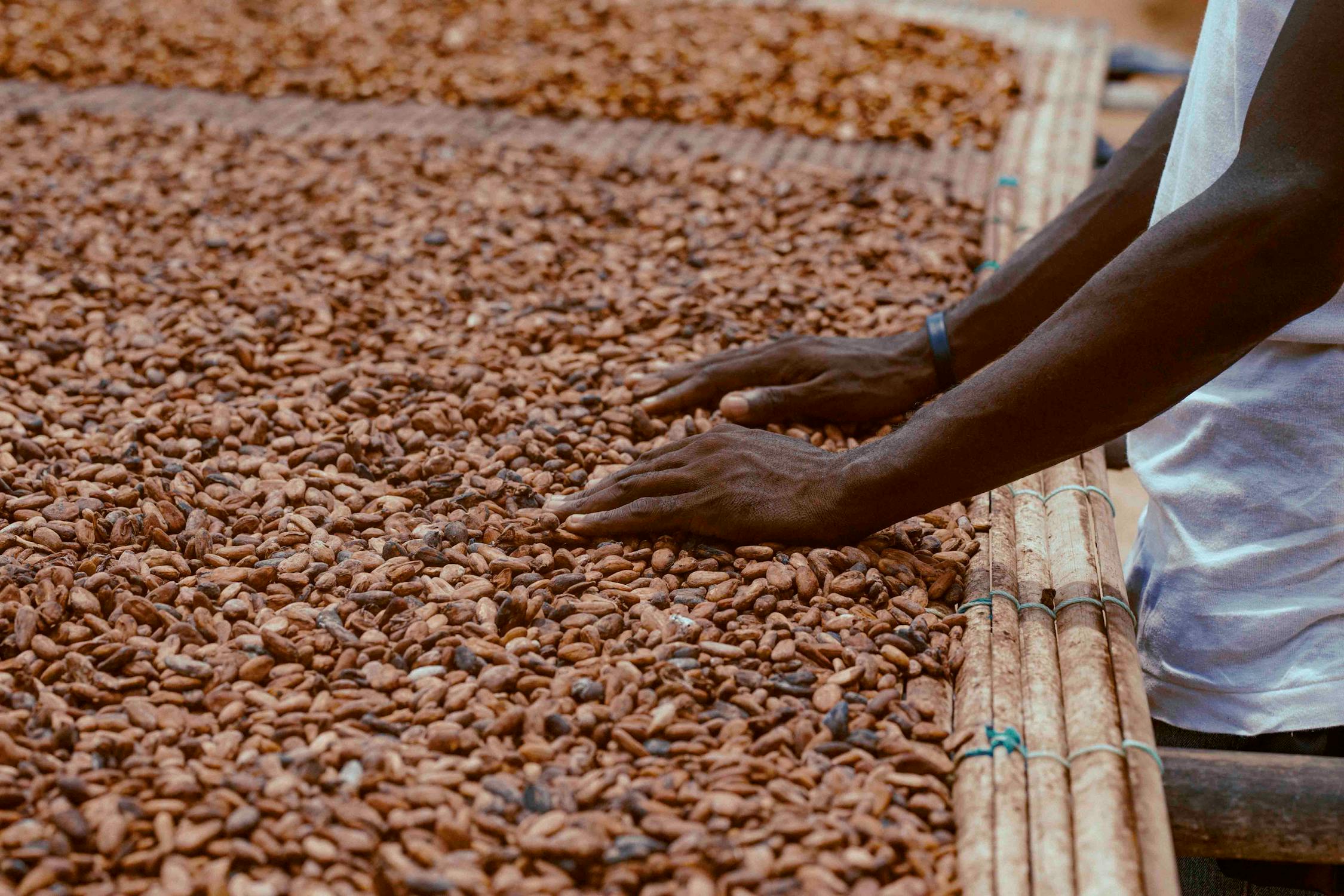
Ghana’s cocoa farmers are facing one of the most painful price reductions in the sector’s recent history. On February 12, 2026, Finance Minister Cassiel Ato Forson announced that the Producer Price Review Committee had set a new farmgate price of GH¢2,587 per 64-kilogram bag for the remainder of the 2025/2026 crop season — down from GH¢3,625, a cut of GH¢1,038 per bag or approximately 28.6 percent.
For a smallholder cocoa farmer, that is not a marginal adjustment. It is school fees. It is fertiliser. It is household food. And the cut came after months in which many farmers reported not being paid at all for beans already sold since November 2025 — a liquidity failure at COCOBOD that has compounded the pain of the price change itself.
“Today, the world market price has dropped significantly from an average of $7,200 per ton to $4,100 per ton, making Ghana’s cocoa beans uncompetitive.” — Finance Minister Cassiel Ato Forson, February 12, 2026
Why the Price Fell — The Global Collapse
The proximate cause of Ghana’s cocoa crisis is a global one. After cocoa prices nearly tripled to record levels in 2024 — driven by drought and crop disease in West Africa — they have since lost approximately three-quarters of their value. The plunge was accelerated by falling consumer demand, as high chocolate prices led manufacturers to reduce bar sizes, increase non-cocoa additives, and develop substitute products, while a return to favourable weather has left the global market with a surplus of 300,000–400,000 tonnes this season.
Ghana and Côte d’Ivoire together produce roughly half the world’s cocoa, but unlike global traders and processors, they lack the financial capacity to store surpluses in warehouses and wait for better prices. The result: Ghana’s cocoa became uncompetitive on international markets, buyers stopped purchasing, and COCOBOD’s liquidity — already strained after the collapse of its traditional syndicated loan financing model in 2023 — was exhausted.
The Reforms — Domestic Bonds, 50% Local Processing, Criminal Probe
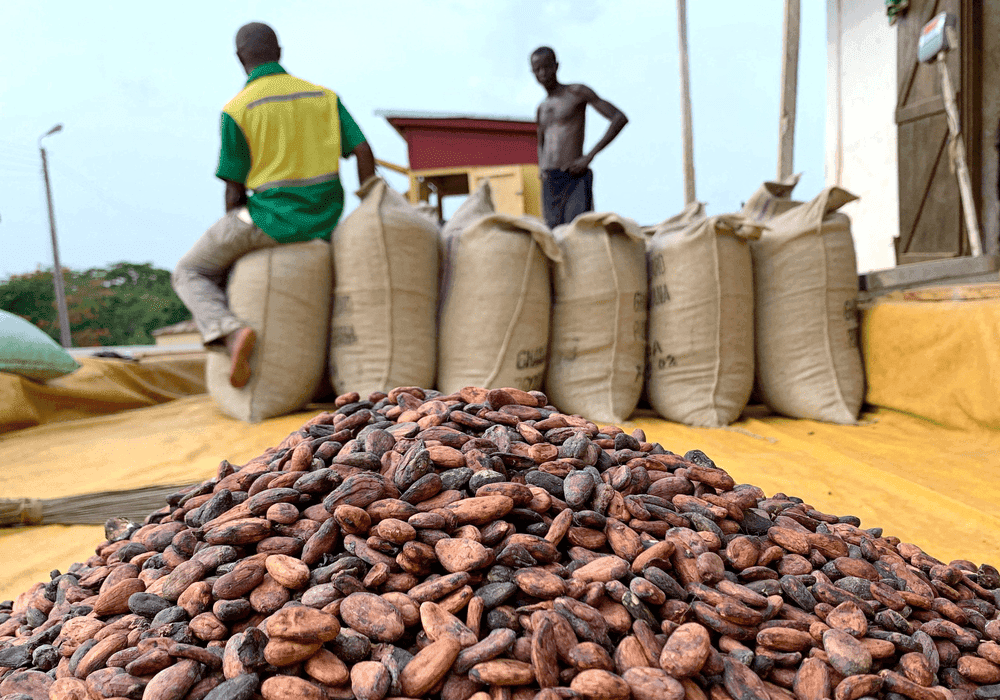
The price cut was announced alongside a sweeping reform package. Starting from the 2026/2027 season, Ghana will replace the foreign-financed syndicated loan model with domestic cocoa bonds, creating a revolving fund for bean purchases using local capital. A new Cocoa Board Bill will guarantee farmers a minimum of 70 percent of the gross FOB price. And at least 50 percent of cocoa beans must be processed locally from next season — up from the current 30–40 percent — with the state-owned Cocoa Processing Company (CPC) to be revived to support the push.
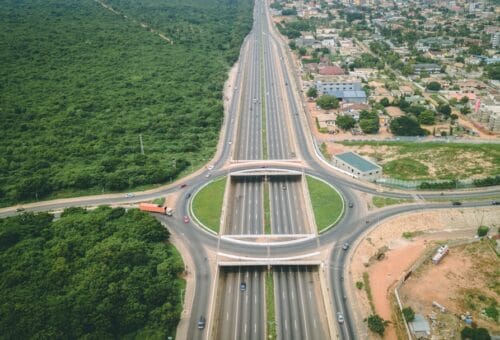
Most significantly, Cabinet has directed the Attorney-General to conduct a forensic audit and criminal investigation into COCOBOD’s activities over the past eight years — a politically explosive mandate that signals the Mahama government’s intent to hold the previous administration accountable for what it describes as a catastrophic mismanagement of the sector’s finances, including GH¢26.5 billion in cocoa road contracts awarded between 2014 and 2024.
The Smuggling Risk — And the Ivorian Twist
The October 2025 price revision — which briefly raised Ghana’s farmgate price to GH¢3,625 per bag — was itself triggered by a smuggling threat. When Côte d’Ivoire set its own price 20 percent higher than Ghana’s, officials feared Ghanaian beans would flow across the border. The irony now is that with Ghana’s price cut and the cedi’s appreciation, Ghana’s effective farmgate price may actually be more attractive than some neighbouring markets — with reports emerging that Ivorian traders are exploring sales in Ghanaian cedis.