Chinese Businesses Ghana 2026: 5 Proven Ways to Compete
Chinese businesses Ghana 2026 are reshaping local markets. Discover 5 proven strategies Ghanaian entrepreneurs can use right now to stay competitive and grow.

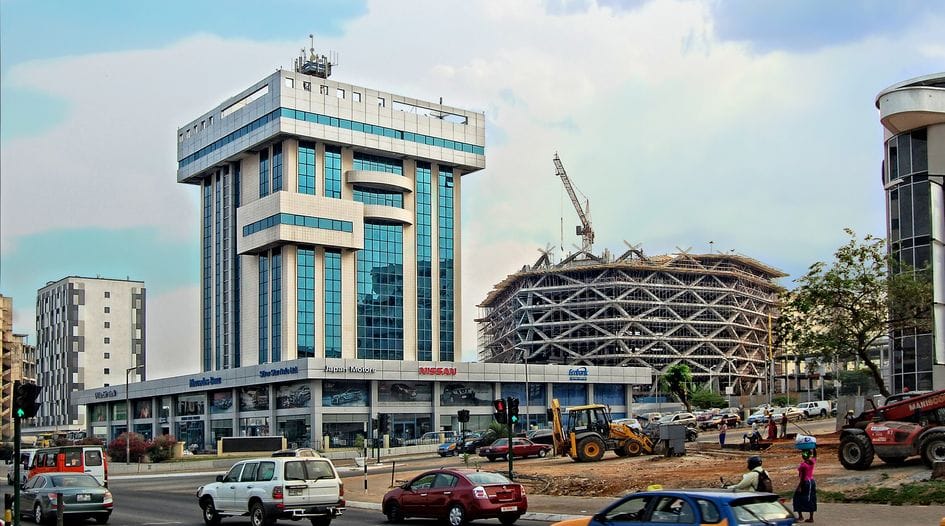
Ghana’s retail and manufacturing landscape is shifting faster than most local entrepreneurs anticipated — and Chinese businesses in Ghana 2026 are at the center of that shift. If you’re a Ghanaian small business owner wondering why your margins are shrinking, this article gives you an honest diagnosis and five actionable strategies to fight back.
The Scale of Chinese Business Presence in Ghana Today
Chinese investment in Ghana has grown steadily over the past decade, spanning retail, construction materials, electronics, and light manufacturing. According to China’s Ministry of Commerce, sub-Saharan Africa — including Ghana — remains a priority corridor for outbound investment through the Belt and Road Initiative framework.
Walk through Accra’s Kantamanto market or Kumasi’s Kejetia complex today and the evidence is visible: Chinese-owned shops selling textiles, household goods, and electronics at prices that many local traders struggle to match. The challenge is real, and denying it helps no one.
What’s Driving the Price Gap
The competitive advantage Chinese businesses hold isn’t magic — it’s structural. Key factors include:
- Direct supply chain access to factories in Guangdong and Zhejiang provinces, cutting out multiple middlemen
- Access to lower-cost capital through Chinese state-backed financing instruments
- Bulk purchasing power that individual Ghanaian traders rarely match
- Established logistics networks that reduce import costs per unit
Understanding this structure is the first step toward building a strategy that works around it — not against it head-on.
The Legal and Policy Landscape in 2026
Ghana’s Ghana Investment Promotion Centre (GIPC) Act reserves certain business sectors exclusively for Ghanaian citizens — including retail trading with a minimum capital threshold for foreign investors. The challenge is enforcement, which has historically been inconsistent.
In 2026, the Ghana Union of Traders Associations (GUTA) continues to advocate for stricter enforcement of these provisions. Ghanaian entrepreneurs should stay informed through GIPC’s official portal and report violations through formal channels rather than informal confrontations, which rarely produce lasting results.
What Local Business Owners Can Do Legally
If you believe a foreign-owned business is operating in a reserved sector, the formal process matters. Document the business activity, gather evidence, and file a complaint with GIPC or the Ghana Revenue Authority. Collective action through trade associations amplifies impact significantly.
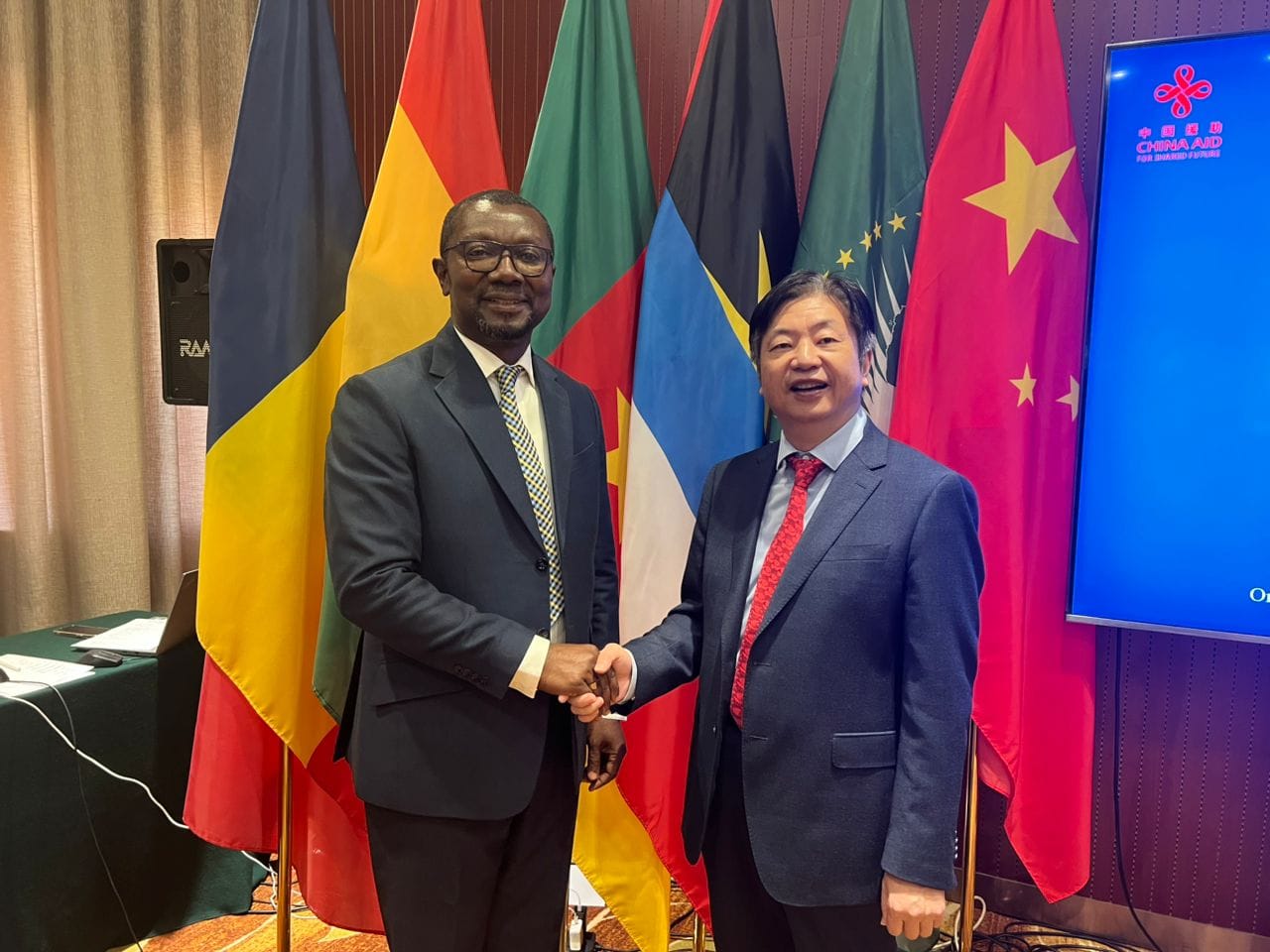

5 Proven Strategies for Ghanaian Entrepreneurs to Stay Competitive
1. Hyper-Localize Your Value Proposition
No Chinese-owned business can replicate deep community trust, local language fluency, or the ability to extend credit to a known customer. These are genuine competitive advantages that Ghanaian entrepreneurs undervalue.
Lean into your network. Offer flexible payment terms to loyal customers. Speak the local dialect. Show up at community events. These relationship assets are not easily imported.
2. Specialize Rather Than Generalize
A general goods store competing with a well-stocked Chinese wholesale outlet is fighting on the wrong terrain. Specialization changes the game entirely. Consider niching into:
- Locally produced or artisan goods with authentic provenance stories
- Products requiring after-sales service, installation, or customization
- Sector-specific expertise (e.g., agricultural inputs for smallholder farmers in your region)
- Premium or ethically sourced product lines targeting Ghana’s growing middle class
Specialization also makes marketing more efficient — a critical advantage when budgets are tight.
3. Digitize Your Operations and Customer Reach
Ghana’s mobile money penetration and smartphone adoption rates continue to rise sharply. In practice, businesses that are not discoverable on Google Maps, WhatsApp Business, and local e-commerce platforms like Tonaton or Jumia Ghana are invisible to a growing segment of customers.
Set up a WhatsApp Business catalog today — it costs nothing and allows customers to browse your inventory and place orders without visiting your physical location. This is a 30-minute investment with measurable returns.
4. Form Buying Cooperatives and Trade Alliances
One of the structural advantages Chinese businesses hold is collective purchasing power. Ghanaian entrepreneurs can replicate this through buying cooperatives — groups of non-competing businesses in the same sector that pool orders to negotiate better wholesale prices from suppliers.
This model is well-established in West African agriculture and is increasingly being applied in retail. The Ghana Enterprises Agency (GEA) offers support for cooperative formation — check their current programs at gea.gov.gh.
5. Invest in Skills and Certifications That Signal Quality
Consumers — especially urban and middle-class Ghanaians — increasingly associate local businesses with inconsistent quality. Closing that perception gap requires deliberate investment in skills, certifications, and visible quality signals.
Consider pursuing sector-specific certifications, displaying quality assurance processes visibly in your shop, and training staff to deliver a service experience that larger, less personalized competitors cannot match.
The Opportunity Hidden in Plain Sight
Here’s what the competitive pressure narrative often misses: Chinese business presence in Ghana has also created new supply chain opportunities for local entrepreneurs willing to act as distributors, agents, or value-added resellers of Chinese-manufactured goods.
Some of Ghana’s most successful traders in 2026 are not competing with Chinese suppliers — they’re partnering with them strategically while building local brand equity on top of imported goods. This hybrid model is worth serious consideration.
Manufacturing as the Long Game
Ghana’s industrial policy under the One District One Factory (1D1F) initiative continues to create opportunities for local light manufacturing. Entrepreneurs who use this period of competitive pressure as motivation to move up the value chain — from trading to manufacturing — will be best positioned for the next decade.
Key Takeaways
- Chinese businesses in Ghana hold structural cost advantages rooted in supply chain access and capital — competing on price alone is not a viable strategy.
- Ghana’s GIPC Act reserves certain retail sectors for Ghanaian citizens — know your legal protections and use formal channels to enforce them.
- Hyper-localization, specialization, and relationship-based selling are genuine competitive advantages that foreign businesses cannot easily replicate.
- Digitizing through WhatsApp Business, Google Maps, and local e-commerce platforms is a low-cost, high-impact step available to every business owner today.
- Buying cooperatives can help Ghanaian traders achieve the collective purchasing power needed to negotiate competitive wholesale prices.
- Strategic partnerships with Chinese suppliers — rather than pure competition — represent an underexplored opportunity for growth-oriented entrepreneurs.
Conclusion
The presence of Chinese businesses in Ghana is not a temporary phenomenon — it’s a structural feature of the 2026 economic landscape that Ghanaian entrepreneurs must plan around, not simply protest against. The businesses that will thrive are those that leverage local knowledge, build digital presence, specialize strategically, and explore cooperative models that level the purchasing power playing field.
Start today: pick one strategy from this list, implement it this week, and measure the result. Competitive resilience is built one deliberate decision at a time.
Frequently Asked Questions
Is it legal for Chinese nationals to own retail businesses in Ghana?
Under Ghana’s GIPC Act, general retail trading is a sector reserved for Ghanaian citizens. Foreign nationals, including Chinese investors, are required to meet significant minimum capital thresholds and are prohibited from certain categories of retail. However, enforcement has been inconsistent. Ghanaian traders should report suspected violations to the Ghana Investment Promotion Centre (GIPC) through official channels.
How can a small Ghanaian trader realistically compete with Chinese wholesale prices?
The most effective approach is to stop competing on price and instead compete on dimensions where local businesses have natural advantages: community trust, personalized service, flexible credit terms, local language communication, and after-sales support. Specialization into niche product categories also reduces direct price competition significantly.
What government support is available for Ghanaian small businesses facing competition?
The Ghana Enterprises Agency (GEA) offers business development services, training, and support for cooperative formation. The One District One Factory (1D1F) initiative provides manufacturing support. GIPC handles investment regulation and complaints. Entrepreneurs should actively engage these institutions rather than waiting for top-down solutions.
Can Ghanaian businesses partner with Chinese suppliers instead of competing with them?
Yes, and this is an underutilized strategy. Acting as a local distributor, value-added reseller, or agent for Chinese-manufactured goods allows Ghanaian entrepreneurs to access competitive pricing while building local brand equity and customer relationships. The key is maintaining control of the customer relationship and adding genuine local value.
What is the single most impactful digital tool for a Ghanaian small business owner in 2026?
WhatsApp Business remains the highest-return digital tool for most Ghanaian small businesses due to Ghana’s high WhatsApp penetration rate. Setting up a product catalog, enabling automated responses, and using broadcast lists for promotions can meaningfully increase sales with minimal cost or technical skill required.