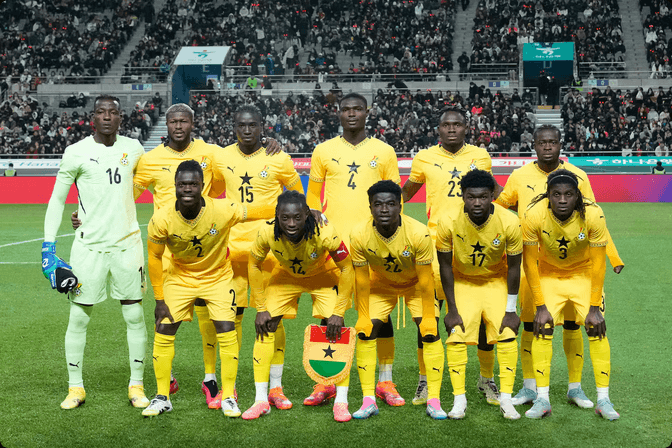
Black Stars vs Austria 2026: 7 Critical Readiness Signals
Black Stars vs Austria 2026 reveals Ghana's World Cup readiness. Tactics, key players, and national momentum analyzed. Don't miss these 7 critical signals.

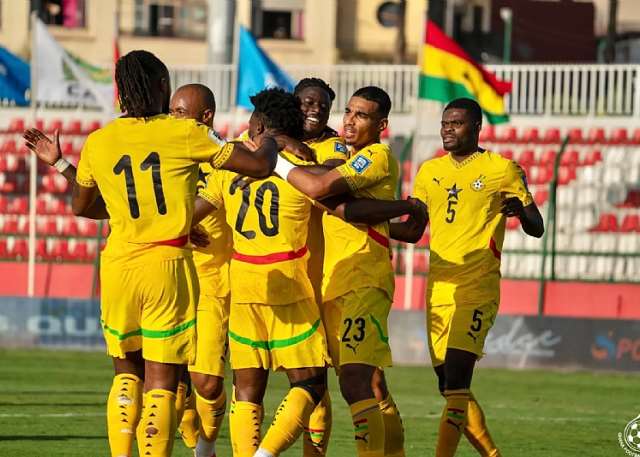
Black Stars vs Austria 2026 is more than a friendly fixture — it’s a high-stakes diagnostic test for a Ghana squad carrying the weight of continental pride into the FIFA World Cup. What does the team’s performance reveal about their tactical maturity, squad depth, and ability to compete on the global stage? Read on for an expert breakdown.
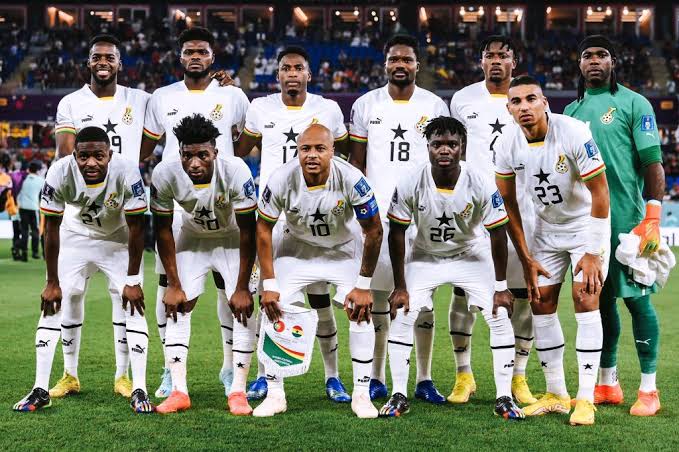
Ghana’s World Cup Warm-Up Context: Why Austria Matters
Warm-up matches against quality European opposition have historically been reliable indicators of tournament readiness. Austria, ranked consistently in the top 25 by FIFA in 2025-2026, offers Ghana a genuine test of pressing intensity, positional discipline, and set-piece vulnerability.
The Ghana World Cup warm-up schedule was deliberately structured by the Ghana Football Association (GFA) to expose the Black Stars to high-tempo European play before the group stage draw becomes reality. This is smart pre-tournament planning — and it mirrors what successful nations like Morocco and Japan did ahead of their breakout World Cup campaigns.
Tactical Lineup and Formation: What the Coach Is Signaling
The Starting XI Philosophy
Ghana’s coaching staff has experimented with a 4-2-3-1 formation in recent AFCON qualifiers, prioritizing defensive compactness while retaining width through overlapping full-backs. Against Austria, expect the coach to stress-test this shape against a side that presses aggressively from the front.
The double pivot in midfield — a critical structural choice — will determine whether Ghana can control possession transitions. If the midfield pair holds shape under Austria’s press, it signals genuine World Cup readiness.
Key Players to Watch
- Mohammed Kudus — The West Ham and Ajax-trained attacker remains Ghana’s most dynamic creative force. His ability to drift inside from wide positions creates numerical overloads in the final third.
- Jordan Ayew — Experience and work rate off the ball make him a tactical anchor in the pressing structure.
- Antoine Semenyo — The Bournemouth winger’s direct running and pace on the counter will be a primary weapon against Austria’s high defensive line.
- Lawrence Ati-Zigi — The goalkeeper’s distribution and shot-stopping under pressure will be closely scrutinized by analysts.
Fan Expectations and National Sentiment
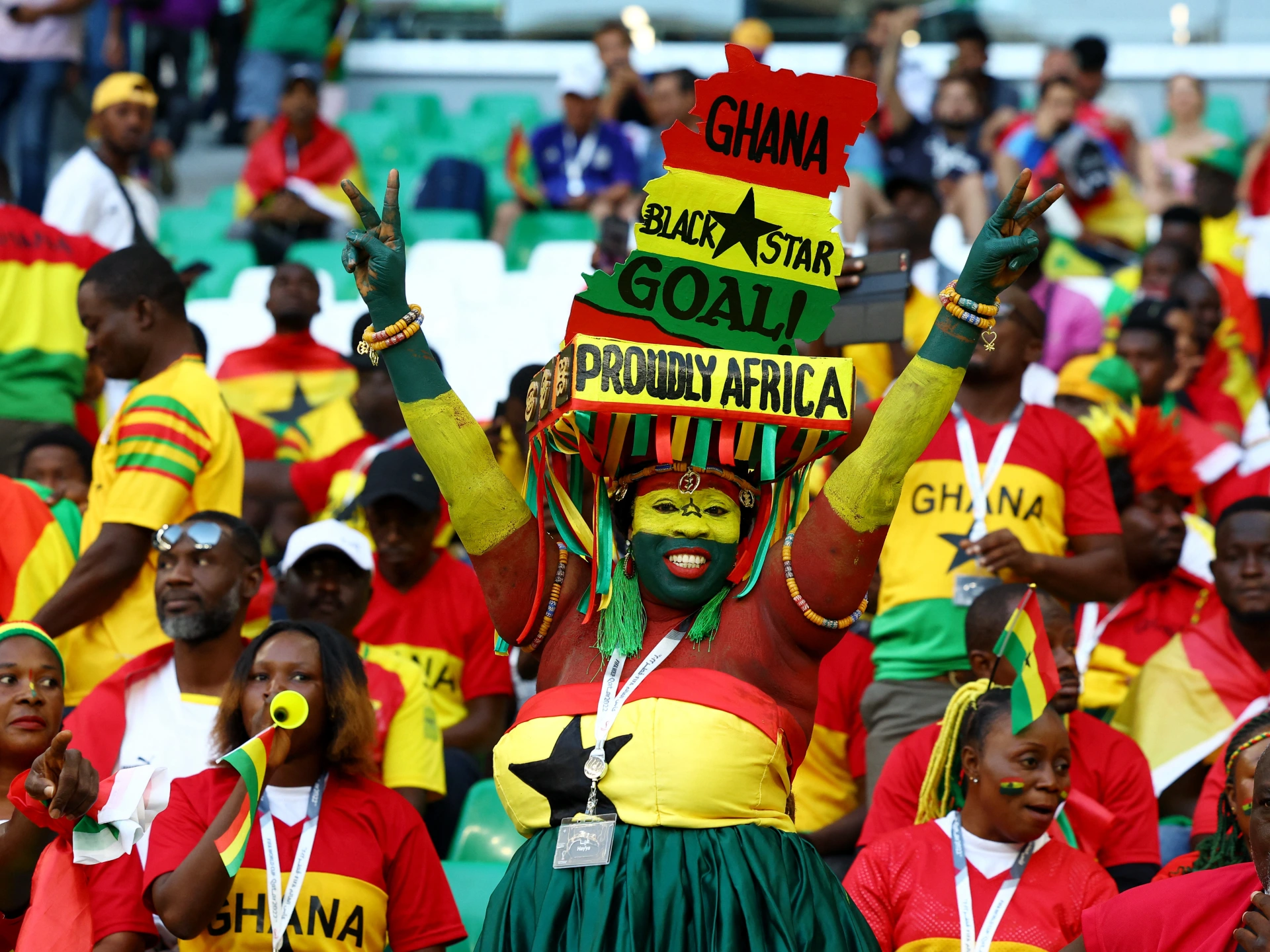
Ghanaian football supporters carry vivid memories of the 2010 World Cup quarter-final heartbreak and the disappointing 2022 group-stage exit. Ghana football 2026 represents a genuine redemption arc narrative, and fans are cautiously optimistic.
Social media sentiment analysis from Ghanaian football communities shows a clear demand for tactical consistency over individual brilliance — a maturation in fan discourse that mirrors the broader evolution of African football analysis. You can also explore the Ghana Black Stars AFCON 2025 performance review to understand the squad’s recent trajectory.
Ghana’s Broader Strategic Landscape: 6 Parallel Developments Shaping the Nation
Ghana’s World Cup preparations don’t exist in a vacuum. Several major national developments are simultaneously shaping the country’s confidence and institutional capacity heading into 2026.
Damang Mine Handover Countdown
The Damang Mine handover countdown represents a landmark moment in Ghana’s resource sovereignty agenda. As the government prepares to transition operational control of the Damang gold mine, the process signals Ghana’s growing capacity to manage strategic assets domestically — a confidence that extends beyond the boardroom into national identity.
E&P’s $1.2 Billion Investment in Tarkwa and Damang Mines
In a major vote of confidence for Ghana’s mining sector, E&P has announced a $1.2 billion investment in the Tarkwa and Damang mines. This capital commitment is expected to sustain thousands of jobs and generate significant royalty revenues for the state. For context on Ghana’s broader resource strategy, the Ghana mining sector economic impact 2026 provides deeper analysis.
The investment aligns with the government’s push to maximize value from existing concessions before new licensing rounds begin — a pragmatic, revenue-first approach endorsed by industry analysts at the World Bank’s Extractive Industries division.
Gold Price Volatility Vindicates BoG Reserve Strategy
The Bank of Ghana’s decision to aggressively accumulate gold reserves over the past three years has been vindicated by sustained gold price volatility in 2025-2026. With gold trading at historically elevated levels, Ghana’s reserve buffer has materially strengthened the cedi’s stability — a direct benefit to consumer purchasing power and business planning certainty.
This reserve strategy, aligned with IMF recommendations for commodity-dependent economies, positions Ghana as a regional model for sovereign wealth management.
Bank of Ghana Launches CISD 2026 Cybersecurity Directive
The Bank of Ghana’s CISD 2026 Cybersecurity Directive represents a landmark regulatory step for the financial sector. The directive mandates enhanced threat detection protocols, incident response timelines, and third-party vendor risk assessments for all licensed financial institutions.
Industry experts align this move with global frameworks such as NIST’s Cybersecurity Framework, signaling Ghana’s intent to meet international standards for digital financial infrastructure — critical as mobile money and digital payments continue to dominate transaction volumes.
SIM Registration Reforms to Strengthen Digital Identity
Ghana’s SIM registration reform initiative, now entering its enforcement phase in 2026, links mobile subscriber identity to the national digital ID ecosystem. This reform reduces SIM-swap fraud, strengthens KYC compliance for mobile financial services, and creates a verifiable digital identity layer for government service delivery.
Telecom operators have been given a structured compliance timeline, with the National Communications Authority (NCA) leading oversight. The Ghana digital identity infrastructure 2026 guide offers a detailed breakdown of implementation milestones.
Ghana Reviews Counter-Terrorism Framework
The government’s review of Ghana’s counter-terrorism framework comes amid evolving security dynamics in the West African sub-region. The updated framework emphasizes intelligence-sharing protocols, community-based early warning systems, and cross-border cooperation with ECOWAS partners.
Security analysts note that Ghana’s proactive posture — reviewing frameworks before incidents escalate — reflects institutional maturity. For regional context, the ECOWAS official portal tracks sub-regional security cooperation initiatives.
What the Austria Result Will Actually Tell Us
A win against Austria would validate Ghana’s tactical evolution and boost squad morale ahead of the World Cup. But the manner of performance matters more than the scoreline.
Analysts should watch for:
- Pressing intensity and recovery runs in the first 20 minutes
- Set-piece delivery and defensive organization from corners
- Substitution patterns — do they signal a settled first XI or ongoing experimentation?
- Goalkeeper distribution under a high press
- Counter-attack transition speed from deep defensive positions
Key Takeaways
- The Black Stars vs Austria 2026 friendly is a critical tactical barometer, not just a warm-up exercise.
- Key players like Kudus, Semenyo, and Ati-Zigi will be under intense scrutiny from World Cup selectors and analysts.
- Ghana’s 4-2-3-1 formation will be stress-tested against Austria’s high-press European style.
- The $1.2 billion E&P mining investment and Damang Mine handover signal strong national economic momentum heading into the tournament year.
- The BoG’s CISD 2026 Directive and SIM registration reforms reflect Ghana’s parallel push for institutional modernization.
- Gold reserve strategy and counter-terrorism framework reviews demonstrate Ghana’s multi-sector readiness on the global stage.
- Performance metrics — not just the final score — will determine what the Austria match truly reveals about Black Stars World Cup 2026 prospects.
Frequently Asked Questions
When is the Black Stars vs Austria 2026 warm-up match scheduled?
The exact fixture date is subject to confirmation by the Ghana Football Association, but the match is planned within the FIFA international window ahead of the 2026 World Cup group stage. Fans should monitor the GFA’s official communications for confirmed dates and venue details.
What formation is Ghana expected to use against Austria?
Based on recent AFCON qualifying performances and training observations, Ghana’s coaching staff is expected to deploy a 4-2-3-1 formation, with a double pivot in central midfield and Mohammed Kudus operating in the number 10 or wide attacking role depending on match conditions.
How does the Ghana Austria friendly fit into the broader World Cup preparation plan?
The Ghana Austria friendly is one of at least two high-quality European opposition fixtures planned in Ghana’s pre-tournament schedule. It serves as a tactical rehearsal, squad fitness assessment, and psychological preparation tool for the coaching staff ahead of the World Cup group stage.
What is the significance of the Damang Mine handover for Ghana’s economy?
The Damang Mine handover represents a strategic shift in Ghana’s resource management approach, transitioning operational control to domestically managed entities. Combined with E&P’s $1.2 billion investment commitment, it signals sustained economic activity in Ghana’s gold belt and significant royalty revenue for state coffers in 2026 and beyond.
How does the Bank of Ghana’s CISD 2026 Cybersecurity Directive affect financial institutions?
The CISD 2026 Directive requires all Bank of Ghana-licensed financial institutions to implement enhanced cybersecurity protocols including real-time threat detection, defined incident response timelines, and rigorous third-party vendor risk management. Non-compliance carries regulatory penalties, making immediate implementation a board-level priority for banks and fintech operators in Ghana.