10 Most Influential Ghanaian Politicians to Watch in 2026
Discover the 10 most influential Ghanaian politicians shaping Ghana politics in 2026 — their policies, power, and impact on your business and daily life.

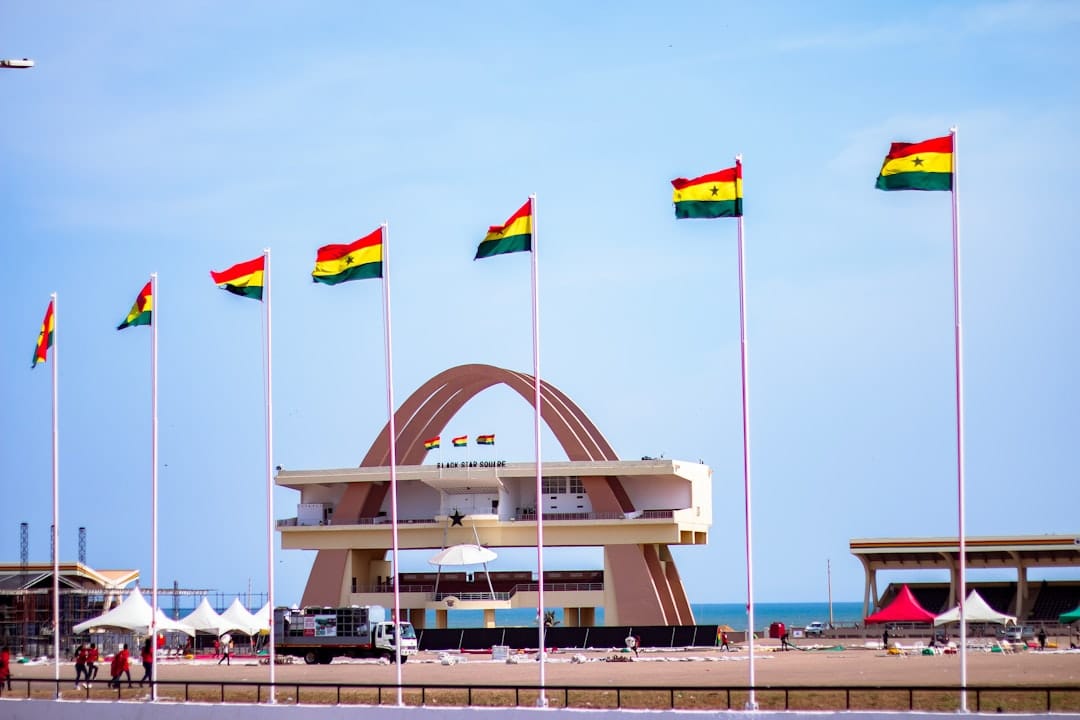
Ghana’s political landscape in 2026 is as dynamic and consequential as ever — with fresh policy battles, economic pressures, and a new administration shaping the nation’s direction. Whether you’re a voter, a business owner, or simply a concerned citizen, knowing who holds real influence right now matters deeply.
In this article, we profile the 10 most influential Ghanaian politicians making waves this year — examining their policy positions, public influence, and impact on Ghana’s economic and social future.
1. John Dramani Mahama – President of Ghana
John Dramani Mahama returned to the presidency after winning the December 2024 elections, making him arguably the single most powerful political figure in Ghana today. His administration’s flagship agenda — dubbed the “24-Hour Economy” policy — aims to boost industrial productivity and create jobs by encouraging round-the-clock business operations.
In 2026, Mahama is navigating a delicate economic recovery path following Ghana’s IMF-supported debt restructuring programme. His ability to balance fiscal discipline with social spending remains the defining test of his second term.
2. Dr. Mahamudu Bawumia – NPP Flagbearer and Opposition Leader
Dr. Mahamudu Bawumia remains one of Ghana’s most recognisable political figures, serving as the New Patriotic Party’s leader in opposition. Known for championing Ghana’s digital transformation agenda during his vice-presidency, Bawumia continues to shape public discourse on fintech, digital identity, and economic policy.
His ongoing engagement with Ghanaian youth and tech communities keeps him highly relevant in 2026, even outside government. His social media presence and public lectures make him a politician worth tracking closely.
3. Cassiel Ato Forson – Minister of Finance
Cassiel Ato Forson, the current Minister of Finance, is arguably the most consequential technocrat in Ghana’s government right now. As the architect of Ghana’s post-debt restructuring fiscal strategy, his decisions directly impact everything from interest rates to public sector wages.
In 2026, Forson is under enormous pressure to demonstrate that Ghana’s economy is on a credible recovery path — a task that will define his political legacy. Business owners and investors should follow his budget statements and IMF review outcomes closely.
4. Ablakwa Samuel Okudzeto – Member of Parliament, North Tongu
Samuel Okudzeto Ablakwa has cemented his reputation as one of Ghana’s most vocal and fearless legislators. His relentless scrutiny of government expenditure — particularly on presidential jet rentals and infrastructure contracts — has made him a household name and a symbol of parliamentary accountability.
In 2026, Ablakwa chairs key parliamentary committees and continues to be a significant check on executive power. For citizens who care about transparency and governance, he is essential watching.
5. Ursula Owusu-Ekuful – Senior NPP Figure and Policy Voice
Ursula Owusu-Ekuful, former Minister for Communications and Digitalisation, remains an influential voice within the NPP and in Ghana’s broader technology and gender policy conversations. Her advocacy for women in leadership and digital inclusion continues to resonate in 2026.
As the NPP rebuilds its opposition strategy, Owusu-Ekuful’s experience and public profile make her a key figure to watch in shaping the party’s policy direction going forward.
6. Haruna Iddrisu – Minister of Education
Haruna Iddrisu, a seasoned parliamentarian and current Minister of Education, is overseeing one of Ghana’s most critical sectors. With debates around free Senior High School sustainability, TVET expansion, and university funding dominating public discourse, Iddrisu’s policy choices will shape Ghana’s human capital for decades.
His cross-party respect and long legislative experience make him one of the more stabilising figures in the Mahama administration.
7. Francis-Xavier Sosu – Human Rights and Legal Reform Advocate
Francis-Xavier Sosu, MP for Madina, has built a powerful national profile through his work on legal aid, human rights, and constitutional reform. His private member bills and courtroom advocacy have pushed Ghana’s legal discourse in progressive directions.
In 2026, Sosu is particularly influential in debates around digital rights, data protection, and the rights of marginalised communities — issues increasingly relevant to Ghana’s growing tech economy.
8. Lydia Alhassan – Women’s Political Representation Champion
Lydia Alhassan, MP for Ayawaso West Wuogon, is one of the most prominent female politicians in Ghana’s parliament. Her advocacy for increased women’s representation in governance and her constituency development work have earned her national recognition.
As Ghana works toward broader gender equity goals, Alhassan’s voice in parliament and within the NPP remains significant. She represents a growing movement of women reshaping Ghanaian politics from the inside.
9. John Jinapor – Minister of Energy and Green Transition Advocate
John Jinapor, Minister of Energy, sits at the centre of one of Ghana’s most urgent policy challenges: stabilising energy supply while transitioning toward cleaner sources. With Ghana’s power sector debts and the global push toward renewable energy, Jinapor’s decisions carry enormous economic weight.
For businesses dealing with power reliability issues — a persistent challenge in Ghana — his ministry’s actions in 2026 will be directly felt. You should also follow Ghana energy sector updates and business impact to stay ahead of any policy changes.
10. Comfort Doyoe Cudjoe Ghansah – Emerging Voice in Social Policy
Comfort Doyoe Cudjoe Ghansah, MP for Ada, has emerged as a compelling voice on social welfare, coastal community rights, and environmental justice. Her constituency’s unique challenges — including sea erosion and fishing community livelihoods — have given her a platform that resonates beyond her region.
In 2026, as climate-related issues increasingly intersect with Ghana’s political agenda, Ghansah’s profile is only set to grow.
What These Politicians Mean for Ghana’s Future
The politicians on this list collectively influence Ghana’s economic recovery, democratic governance, digital transformation, and social equity agenda. Their decisions — in parliament, cabinet, and public discourse — shape the environment in which every Ghanaian business and household operates.
Understanding their positions helps citizens engage more meaningfully with Ghana political news and make informed decisions, whether at the ballot box or in business planning. For deeper context on how Ghana’s government policies affect your business, explore our Ghana business policy and economic outlook guide.
Key Takeaways
- President Mahama’s 24-Hour Economy policy is the central economic initiative shaping Ghana’s business environment in 2026.
- Finance Minister Ato Forson’s fiscal decisions are the most immediate influence on Ghana’s economic recovery trajectory.
- Opposition leader Bawumia remains highly influential in shaping digital and economic policy debate, even outside government.
- Accountability-focused MPs like Ablakwa are critical watchdogs for government transparency.
- Energy, education, and gender equity are the three policy battlegrounds most likely to define Ghana’s near-term political narrative.
- Small business owners should track ministerial appointments and parliamentary committee decisions — these directly affect regulations and opportunities.
Frequently Asked Questions
Who is the most powerful politician in Ghana right now?
As the sitting President, John Dramani Mahama holds the most executive power in Ghana. His administration controls fiscal policy, national development priorities, and cabinet appointments that shape every sector of the economy.
How does Ghana’s political landscape affect small businesses?
Government policy decisions — from tax reforms and energy tariffs to digital regulations and trade agreements — directly affect operating costs, market access, and growth opportunities for small businesses. Following key politicians and their policy positions helps business owners anticipate changes and plan accordingly.
What is the NPP’s role in Ghana politics in 2026?
The New Patriotic Party (NPP) currently serves as the main opposition party following their 2024 election loss. Under Dr. Bawumia’s leadership, the NPP is rebuilding its policy platform and serving as a check on the ruling NDC government through parliamentary opposition and public advocacy.
What are the biggest political issues in Ghana in 2026?
The top political issues include Ghana’s IMF-supported economic recovery, energy sector reform, the sustainability of the Free SHS programme, digital economy development, and increasing women’s representation in governance. These issues cut across both government and opposition agendas.
How can ordinary Ghanaians stay informed about Ghana government decisions?
Following credible Ghanaian news outlets, parliamentary proceedings on Ghana Parliament’s official channels, and the social media accounts of key politicians are all effective ways to stay informed. Engaging with community radio and civic organisations also helps translate policy into local context.
Ghana’s political story in 2026 is still being written — and every citizen has a role in shaping it. Start by following at least three of the politicians on this list, tracking one policy area that directly affects your life or business, and engaging with your local MP’s constituency activities.