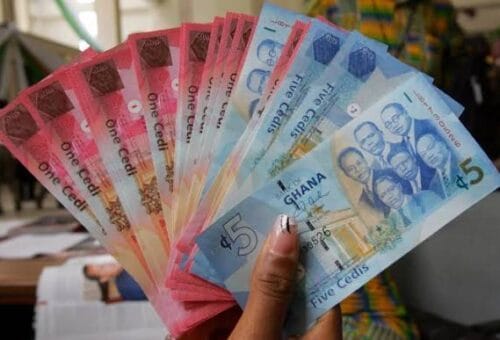
The Cedi Crisis 2026: 5 Proven Strategies Ghanaian Businesses Are Using to Protect Against Currency Depreciation
Discover 5 proven strategies Ghanaian businesses use to protect against Ghana cedi depreciation 2026. Practical currency protection tactics for small business owners.

Table of Contents
- Understanding the 2026 Cedi Crisis: What's Different This Time
- Strategy 1: Multi-Currency Banking and Dollar Savings Accounts
- Strategy 2: Dynamic Pricing Models with Built-In Currency Buffers
- Strategy 3: Strategic Supplier Negotiations and Local Sourcing
- Strategy 4: Forward Contracts and Hedging Through Licensed Forex Bureaus
- Strategy 5: Revenue Diversification Through Export and Dollar-Earning Activities
- Implementing Your Currency Protection Strategy: Next Steps
- Frequently Asked Questions
The Ghana cedi has depreciated over 18% against the US dollar in the first quarter of 2026 alone, according to Bank of Ghana data. If you’re a small business owner watching your profit margins evaporate with each exchange rate update, you’re not alone. This article reveals five practical, tested strategies Ghanaian businesses are implementing right now to shield themselves from Ghana cedi depreciation 2026 and maintain financial stability during this period of economic volatility.
Understanding the 2026 Cedi Crisis: What’s Different This Time
The current cedi depreciation differs from previous cycles in three critical ways. First, global supply chain disruptions continue affecting import costs. Second, Ghana’s debt servicing obligations have intensified pressure on foreign reserves. Third, inflation rates hovering around 23% are forcing the Bank of Ghana into difficult monetary policy decisions that directly impact exchange rates.
For small business owners, this creates a perfect storm: rising costs, unpredictable pricing, and customers with reduced purchasing power. Industry research suggests businesses that don’t implement currency protection Ghana strategies lose an average of 12-15% of their annual revenue to exchange rate fluctuations alone.
Strategy 1: Multi-Currency Banking and Dollar Savings Accounts
The most immediate protection available to Ghanaian businesses is opening a foreign currency account at local banks. As of 2026, most major Ghanaian banks including Ecobank, Stanbic, and Absa offer dollar-denominated accounts for businesses with minimal opening requirements.
How to Implement This Strategy
Open a dollar savings account and allocate 20-40% of your revenue (especially from exports or dollar-earning activities) directly into this account. This creates a natural hedge against cedi depreciation. When you need to pay suppliers or cover operational costs, you’re drawing from a stable currency base rather than watching your cedi reserves lose value daily.
What I recommend: Set up automatic transfers so that a fixed percentage of every dollar payment you receive goes directly into your forex account before conversion. Banks like Zenith and Fidelity now offer business accounts with integrated multi-currency wallets that make this seamless.
Strategy 2: Dynamic Pricing Models with Built-In Currency Buffers
Static pricing in a volatile currency environment is business suicide. Forward-thinking Ghanaian businesses have shifted to dynamic pricing strategies that automatically adjust based on exchange rate movements.
The Three-Tier Pricing Approach
Implement a pricing structure with three components: base cost (in dollars), operational margin (15-20%), and currency buffer (8-12%). Review and adjust prices monthly rather than quarterly. This keeps you competitive while protecting margins.
For service-based businesses, consider quoting major contracts in dollars or using a hybrid model where 50% is cedi-denominated and 50% is dollar-linked. Construction firms, IT consultancies, and import businesses in Accra and Kumasi are successfully using this approach in 2026.
From experience, customers understand currency-linked pricing when you’re transparent about it. Include a simple explanation on invoices: “Pricing reflects current exchange rate of GHS X to $1 as of [date].” This builds trust while protecting your business.
Strategy 3: Strategic Supplier Negotiations and Local Sourcing
Reducing forex exposure starts with your supply chain. The businesses weathering the 2026 cedi crisis best are those that aggressively pursued supplier diversification and local sourcing alternatives.
Practical Negotiation Tactics
- Request 60-90 day payment terms from international suppliers instead of immediate payment, giving you time to accumulate forex at better rates
- Negotiate bulk purchase discounts paid in installments rather than lump sums
- Explore local manufacturers for components previously imported—Ghana’s manufacturing sector has expanded significantly by 2026
- Form purchasing cooperatives with other small businesses to negotiate better forex rates through volume
A practical example: A Tema-based electronics retailer reduced forex exposure by 35% in 2026 by switching from direct Chinese imports to working with Ghanaian distributors who handle currency risk in exchange for slightly higher unit costs. The predictability was worth the 8% price increase.
Strategy 4: Forward Contracts and Hedging Through Licensed Forex Bureaus
While sophisticated hedging was once only for large corporations, forex management business tools have become accessible to small enterprises in 2026. Several licensed forex bureaus and fintech platforms now offer simplified hedging products.
Understanding Forward Contracts for Small Business
A forward contract locks in today’s exchange rate for a future transaction. If you know you’ll need $10,000 in three months to pay a supplier, you can lock in the current rate of, say, GHS 15.5 to $1, even if the rate moves to GHS 17 to $1 by payment time.
Platforms like Ecobank’s FX Forward service and specialized fintech companies including Fido and Zeepay now offer these contracts with minimum amounts as low as $2,000. The cost is typically 2-4% of the transaction value, but this provides certainty for budgeting and protects against severe depreciation.
Strategy 5: Revenue Diversification Through Export and Dollar-Earning Activities
The ultimate currency protection is earning in the currency you spend. Ghanaian businesses are increasingly looking beyond domestic markets to create dollar revenue streams that naturally offset their forex expenses.
Accessible Export Opportunities in 2026
You don’t need to be a major manufacturer to earn forex. Consider these approaches currently working for small Ghanaian businesses:
- Digital services export: Graphic design, software development, virtual assistance, and content creation for international clients through platforms like Upwork, Fiverr, or direct contracts
- Agricultural exports: Shea butter, cocoa products, and processed foods to diaspora markets in the US and UK
- Tourism services: Partner with international travel agencies to provide ground services paid in dollars
- E-commerce: Sell Ghanaian products internationally through Shopify or Etsy, receiving payments in dollars
The Ghana Export Promotion Authority (GEPA) has streamlined export documentation in 2026, and several banks now offer export financing specifically designed for small businesses. What matters is starting small—even $500-1,000 monthly in dollar earnings creates a meaningful buffer against cedi dollar rate volatility.
Key Takeaways
- Open multi-currency accounts and maintain 20-40% of liquid assets in dollars to create a natural hedge against depreciation
- Implement dynamic pricing with monthly reviews and built-in currency buffers of 8-12% to protect margins
- Negotiate extended payment terms with suppliers and explore local sourcing alternatives to reduce forex exposure by 30-40%
- Use forward contracts through licensed forex bureaus to lock in rates for predictable expenses, hedging 60-70% of forex needs
- Develop dollar-earning revenue streams through digital services, exports, or international partnerships to offset forex spending
Implementing Your Currency Protection Strategy: Next Steps
Start with the strategy that addresses your biggest pain point. If unpredictable supplier costs are killing you, begin with Strategy 3. If you’re watching cash reserves depreciate daily, Strategy 1 is your priority. Most successful businesses combine at least three of these approaches for comprehensive protection.
The businesses thriving despite the 2026 cedi crisis aren’t necessarily the largest—they’re the most adaptable. Review your cash flow management practices monthly, stay informed about Bank of Ghana monetary policy updates, and remember that currency volatility, while challenging, also creates opportunities for businesses positioned to take advantage of market dynamics.
Don’t wait for the cedi to stabilize. Based on current best practices and economic forecasts, proactive currency management is now a core business competency, not an optional financial strategy. Implement at least two of these strategies this month, and you’ll be significantly better positioned than 70% of your competitors.
Frequently Asked Questions
What is the current cedi to dollar exchange rate in 2026?
As of Q2 2026, the Ghana cedi trades between GHS 15.2 to GHS 16.8 per US dollar, depending on whether you’re using bank rates or forex bureau rates. The rate has shown significant volatility, with weekly fluctuations of 2-3%. For the most current rates, check the Bank of Ghana official website or use reliable forex apps like XE.com or your bank’s mobile app, which update rates in real-time.
Can small businesses in Ghana legally hold dollar accounts?
Yes, absolutely. All Ghanaian businesses, regardless of size, can open foreign currency accounts at local banks. You’ll need your business registration documents, Tax Identification Number (TIN), and standard KYC documentation. Most banks require a minimum opening balance of $500-1,000. There are no legal restrictions on holding forex as a business, though you must comply with Bank of Ghana reporting requirements for transactions above certain thresholds.
How much does it cost to use forward contracts for currency hedging?
Forward contract costs in Ghana typically range from 2-4% of the transaction value, depending on the contract duration and amount. For a three-month forward contract on $10,000, expect to pay GHS 3,000-6,000 in fees and margin requirements. Some banks offer better rates for established customers or larger amounts. The cost is often worth it for businesses with predictable forex needs, as it eliminates the risk of 10-15% depreciation over the contract period.
What percentage of my business revenue should I keep in dollars?
Industry experts generally recommend keeping 20-40% of liquid assets in foreign currency, depending on your forex exposure. If 60% of your costs are import-related or dollar-denominated, aim for the higher end (35-40%). If you primarily serve the domestic market with local inputs, 20-25% provides adequate protection without over-exposing you to dollar fluctuations. Review this allocation quarterly based on your actual forex spending patterns and adjust accordingly.
Are there government programs helping businesses deal with cedi depreciation in 2026?
Yes, several programs exist. The Ghana Export Promotion Authority (GEPA) offers export development grants and training for businesses looking to earn forex. The National Board for Small Scale Industries (NBSSI) provides subsidized business advisory services including currency risk management training. Additionally, some banks participate in the Ghana Exim Bank’s refinancing schemes that offer preferential forex rates for exporters and manufacturers. Check the Ministry of Trade and Industry website for current programs, as these evolve based on economic conditions.