Ghana vs Nigeria 2026: Complete Investment & Economic Growth Comparison for Smart Investors
Compare Ghana vs Nigeria economies in 2026: growth rates, investment climate, sectoral opportunities, and business rankings to guide your West Africa strategy.


West Africa’s two economic powerhouses—Ghana and Nigeria—continue to compete for foreign investment and regional influence in 2026. For investors and entrepreneurs evaluating opportunities in the region, understanding the nuanced differences between these markets can mean the difference between exceptional returns and costly missteps. This comprehensive analysis breaks down economic indicators, investment climate, and sectoral opportunities to help you make data-driven decisions.
Both nations offer compelling advantages, but they serve different investor profiles. Ghana’s streamlined regulatory environment contrasts with Nigeria’s massive consumer market, while sectoral strengths vary significantly between the two economies.
Economic Growth Trajectories: Size vs. Stability
Nigeria remains Africa’s largest economy with a GDP exceeding $440 billion as of 2025, according to the African Development Bank. The economy is projected to grow at 3.3-3.6% annually through 2026, driven primarily by services, agriculture, and gradual oil sector recovery. However, this growth comes with volatility—currency fluctuations, inflation rates hovering around 21-24%, and periodic fuel subsidy reforms create uncertainty for businesses.
Ghana’s economy, while smaller at approximately $77 billion GDP, has demonstrated more consistent growth patterns. The Bank of Ghana projects 2026 growth at 3.8-4.2%, supported by cocoa exports, gold mining, and emerging oil production. Ghana’s inflation has stabilized to 14-16% following aggressive monetary policy interventions in 2024-2025, making financial planning more predictable for investors.
Key Economic Indicators Comparison
- GDP per capita: Nigeria (~$2,100) vs Ghana (~$2,600)
- Public debt to GDP: Nigeria (37-40%) vs Ghana (82-88%)
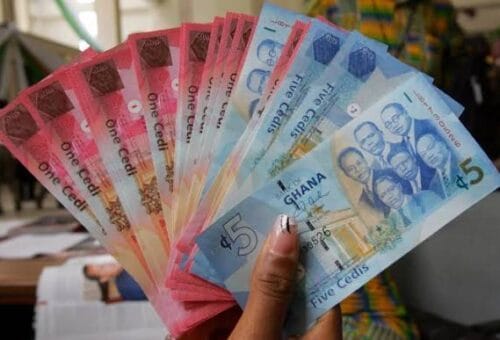
- Currency stability: Nigerian Naira has depreciated 45% since 2023; Ghanaian Cedi depreciated 28%
- Inflation rate (2026 projection): Nigeria (22%) vs Ghana (15%)
Foreign Direct Investment Climate: Regulatory Environment and Ease of Doing Business
The World Bank’s Business Ready Index (successor to Doing Business rankings) shows Ghana consistently outperforming Nigeria in regulatory efficiency. Ghana ranks 7th in Sub-Saharan Africa for business environment quality, while Nigeria places 18th as of the 2025 assessment.
Ghana’s Investment Advantages
Ghana offers several structural advantages for foreign investors. The Ghana Investment Promotion Centre (GIPC) provides streamlined registration processes, with business incorporation possible within 5-7 days for standard companies. The country maintains a relatively transparent legal system based on English common law, and contract enforcement mechanisms function more predictably than in many regional peers.
Tax incentives include 5-10 year holidays for priority sectors like manufacturing and agro-processing. The Ghana Free Zones Programme offers additional benefits including zero import duties on equipment and raw materials for export-oriented businesses. Currency repatriation is generally straightforward, though foreign exchange availability can be constrained during economic stress periods.
Nigeria’s Market Scale Benefits
Nigeria’s 220+ million population creates unmatched market depth in West Africa. The Nigerian Investment Promotion Commission (NIPC) has modernized registration procedures, and the 2021 Petroleum Industry Act has clarified frameworks for energy investments. Lagos, Africa’s largest city, offers sophisticated financial services infrastructure and a growing tech ecosystem that attracted over $1.2 billion in venture capital during 2023-2025, according to Partech Africa.
However, investors face challenges including multiple taxation layers, infrastructure deficits (particularly power supply), and foreign exchange restrictions that can delay profit repatriation. The Central Bank of Nigeria’s multiple exchange rate windows, though being unified gradually, still create complexity for financial planning.
Sectoral Investment Opportunities: Where Each Country Excels
Ghana’s High-Potential Sectors
Mining and Natural Resources: Ghana is Africa’s leading gold producer and hosts significant barite, manganese, and lithium deposits. The 2026 mining sector reforms have clarified royalty structures and local content requirements, making exploration investments more attractive. Emerging lithium projects position Ghana favorably for the global battery supply chain.
Agriculture and Agro-Processing: Beyond cocoa (Ghana is the world’s second-largest producer), opportunities exist in cashew processing, shea butter production, and horticulture exports to European markets. The government’s Planting for Food and Jobs initiative has improved agricultural productivity, creating downstream processing opportunities.
Renewable Energy: Ghana’s 2026 Renewable Energy Master Plan targets 1,000 MW of solar capacity by 2030. Feed-in tariffs and power purchase agreements with the Electricity Company of Ghana provide revenue certainty for independent power producers. Solar mini-grids for rural electrification represent another growth area.
Tourism and Hospitality: Ghana’s political stability and “Year of Return” diaspora engagement initiatives have boosted tourism infrastructure investment. Coastal resort development and eco-tourism projects show strong returns, particularly targeting North American and European markets.
Nigeria’s Dominant Sectors
Technology and Fintech: Lagos and Abuja host Africa’s most vibrant tech ecosystem. Payment processing, digital banking, and e-commerce platforms have achieved remarkable scale. Companies like Flutterwave and Paystack (acquired by Stripe) demonstrate the sector’s potential. The 2026 landscape includes emerging opportunities in insurtech, logistics tech, and embedded finance.
Oil and Gas: Despite diversification efforts, petroleum remains central to Nigeria’s economy. The Petroleum Industry Act has improved investment terms for upstream exploration and downstream refining. The Dangote Refinery’s full operationalization in 2024-2025 has created opportunities in petrochemicals and refined product distribution.
Manufacturing: Nigeria’s large domestic market supports import-substitution manufacturing. Sectors like cement, beverages, consumer goods, and pharmaceuticals benefit from protective tariffs and local demand. The African Continental Free Trade Area (AfCFTA) positions Nigerian manufacturers to serve regional markets.
Real Estate and Construction: Chronic housing deficits (estimated at 22+ million units) create sustained demand for residential development. Commercial real estate in Lagos, Abuja, and Port Harcourt offers opportunities, though financing structures require careful structuring due to interest rate volatility.
Agriculture: Nigeria’s agricultural potential remains largely untapped despite being Africa’s largest economy. Rice, cassava, tomato processing, and poultry production offer opportunities, particularly for businesses that can navigate logistics challenges and implement modern farming techniques.
Infrastructure and Operational Considerations
Infrastructure quality significantly impacts operational costs and business viability. Ghana’s road network is generally superior, with major highways connecting Accra, Kumasi, and Takoradi in reasonable condition. Port efficiency at Tema has improved, though congestion remains during peak periods. Power supply is more reliable than Nigeria’s, with fewer outages affecting manufacturing operations.
Nigeria’s infrastructure challenges are well-documented but improving gradually. The Lagos-Ibadan railway, Lekki Deep Sea Port, and ongoing road rehabilitation projects demonstrate government commitment. However, most businesses still require backup generators, increasing operational costs by 20-40% compared to countries with stable power. Internet connectivity is excellent in major cities, supporting Nigeria’s tech sector growth.
Talent and Human Capital
Both countries offer educated, English-speaking workforces. Nigeria’s sheer population provides deeper talent pools, particularly for technology, finance, and creative industries. Lagos and Abuja host numerous universities producing engineering and business graduates. However, youth unemployment exceeds 40%, creating both opportunity (available talent) and risk (social instability).
Ghana’s smaller population means talent competition is fiercer in specialized fields, but educational standards are generally high. The University of Ghana, Kwame Nkrumah University of Science and Technology, and other institutions produce quality graduates. Labor costs are comparable between the two countries for skilled positions, though Ghana’s minimum wage is slightly higher in dollar terms.
Key Takeaways
- Market size vs. ease of operations: Nigeria offers unmatched scale (220M+ population) but requires navigating complex regulations; Ghana provides smoother operations with a smaller but growing market (33M population)
- Economic stability: Ghana demonstrates more predictable inflation and currency trends, while Nigeria experiences higher volatility but faster growth potential in specific sectors
- Sectoral strengths: Ghana excels in mining, agriculture, and renewable energy; Nigeria dominates in technology, oil/gas, and consumer goods manufacturing
- Investment climate: Ghana ranks higher for ease of doing business and regulatory transparency; Nigeria compensates with deeper capital markets and more developed financial services
- Infrastructure: Ghana offers more reliable power and better road networks; Nigeria provides superior telecommunications and emerging mega-infrastructure projects
- Risk-return profile: Ghana suits investors prioritizing stability and operational simplicity; Nigeria rewards those who can manage complexity to access massive market opportunities
Currency Risk and Financial Management
Currency management represents a critical consideration for both markets. The Nigerian Naira has experienced significant depreciation, moving from approximately 460 NGN/USD in early 2023 to over 1,400 NGN/USD by late 2025. While the Central Bank of Nigeria has moved toward exchange rate unification, parallel market premiums still exist, complicating financial planning.
The Ghanaian Cedi has also weakened but less dramatically, moving from approximately 11 GHS/USD to 15 GHS/USD over the same period. Ghana’s IMF program (Extended Credit Facility approved in 2023) has helped stabilize monetary policy, though foreign exchange shortages periodically constrain import-dependent businesses.
What I recommend: Structure contracts in hard currency where possible, maintain natural hedges by matching revenue and cost currencies, and work with banks offering forward contracts for exchange rate protection. Both countries allow foreign currency accounts for businesses, which provides some flexibility.
Political Stability and Governance
Ghana maintains one of Africa’s most stable democracies, with peaceful power transitions between parties since 1992. The 2024 elections proceeded smoothly, reinforcing institutional strength. Corruption exists but is less pervasive than in many regional peers. The judiciary functions with reasonable independence, providing some investor protection.
Nigeria’s political landscape is more complex, with regional, ethnic, and religious dynamics influencing policy. The 2023 elections brought new leadership, and reform momentum has accelerated in areas like fuel subsidies and exchange rate policy. However, security challenges in certain regions (Northeast, Northwest, and parts of the Middle Belt) require careful risk assessment for operations outside major commercial centers.
For investment decisions, both countries offer sufficient political stability for medium to long-term commitments, though Ghana’s track record provides greater confidence for risk-averse investors.
Strategic Recommendations for Investors
Based on current best practices and market conditions, here’s how to approach each market:
For Ghana: Focus on sectors with export potential (mining, agro-processing) or those serving the growing middle class (retail, hospitality, financial services). Partner with local businesses to navigate relationship-based aspects of the economy. Budget for foreign exchange constraints during economic stress periods. Consider Ghana as a regional hub for West African operations, leveraging political stability and geographic position.
For Nigeria: Prioritize scale-dependent businesses that benefit from market size (consumer goods, technology platforms, telecommunications). Invest heavily in understanding regulatory complexity and building government relations capacity. Plan for infrastructure costs (power, security, logistics) to be 30-50% higher than projections based on developed markets. Structure investments with patient capital, as operational challenges may extend payback periods.
Regional strategy: Sophisticated investors increasingly view Ghana and Nigeria as complementary rather than competitive. Ghana serves as a testing ground and regional operations base, while Nigeria provides scale for proven business models. This dual-market approach, sometimes called the “West African gateway strategy,” allows businesses to balance risk and opportunity effectively.
Frequently Asked Questions
Which country is better for first-time investors in West Africa—Ghana or Nigeria?
Ghana is generally better for first-time investors due to simpler regulatory processes, more predictable business environment, and lower operational complexity. Business registration takes 5-7 days versus 2-3 weeks in Nigeria, and foreign exchange management is more straightforward. However, if your business model requires massive scale from day one (like consumer tech platforms), Nigeria’s 220+ million population may justify the additional complexity. Start with Ghana to learn West African market dynamics, then expand to Nigeria once you’ve established operational competence.
How do tax rates compare between Ghana and Nigeria for foreign investors?
Corporate tax rates are similar: Ghana charges 25% standard rate (with reductions to 1-10% for priority sectors during tax holiday periods), while Nigeria’s standard rate is 30% (reduced to 20% for small companies with turnover under 25 million Naira). Ghana offers more transparent tax incentives through the Ghana Investment Promotion Centre, particularly for manufacturing and export-oriented businesses. Nigeria’s challenge isn’t the headline rate but multiple taxation layers—federal, state, and local governments all levy various taxes and fees. Total tax burden in Nigeria often exceeds the nominal corporate rate when all levies are included. Both countries have double taxation treaties with major economies.
What are the main risks investors face in each country?
In Ghana, primary risks include foreign exchange shortages during economic stress (limiting profit repatriation), high public debt levels (82-88% of GDP creates fiscal constraints), and limited market size for businesses requiring scale. Power supply, while better than Nigeria’s, still experiences occasional outages. In Nigeria, key risks include currency volatility (Naira depreciation averaging 15-25% annually), infrastructure deficits (particularly power—most businesses need generators), security concerns in certain regions, and regulatory unpredictability (policy changes can occur with limited notice). Both countries face broader risks including commodity price exposure (oil for Nigeria, gold/cocoa for Ghana) and climate change impacts on agriculture.
Which sectors offer the best ROI in Ghana versus Nigeria in 2026?
In Ghana, mining (particularly gold and emerging lithium), renewable energy (solar projects with government power purchase agreements), and agro-processing (cocoa, cashew, shea butter) offer strong returns, typically 15-25% IRR for well-structured projects. Tourism and hospitality also show promise with 12-18% returns. In Nigeria, technology and fintech lead with potential returns exceeding 30% for successful ventures, though with higher risk. Manufacturing for the domestic market (cement, beverages, consumer goods) offers steady 18-25% returns. Oil and gas investments vary widely but can exceed 20% IRR under favorable terms. Real estate in Lagos and Abuja provides 12-16% yields. Sector selection should match your risk tolerance and operational capabilities—Ghana’s opportunities are generally lower risk/lower return, while Nigeria offers higher potential returns with commensurately higher risk.
How easy is it to repatriate profits from Ghana and Nigeria?
Both countries legally permit profit repatriation for properly registered foreign investments, but practical implementation differs. Ghana allows repatriation of net profits, dividends, and proceeds from investment sales, but foreign exchange availability can be constrained during economic stress periods. Banks may require 2-4 weeks to source hard currency for large transfers. Working with major international banks (Ecobank, Standard Chartered, Stanbic) generally provides smoother processes. Nigeria’s repatriation framework is more complex due to Central Bank of Nigeria’s foreign exchange management. The official process requires documentation proving tax compliance and original investment source. Delays of 4-8 weeks are common for large amounts, and some investors use parallel markets (at less favorable rates) for faster access. The 2025-2026 exchange rate unification efforts are improving this situation gradually. Pro tip: Structure investments with natural hedges—if you’re earning in local currency, try to source inputs locally too, reducing the amount needing repatriation.
Conclusion: Making Your Investment Decision
Both Ghana and Nigeria offer compelling opportunities for investors who understand their distinct characteristics. Ghana provides a more navigable entry point with regulatory simplicity and operational predictability, ideal for investors prioritizing stability. Nigeria rewards those who can manage complexity with access to Africa’s largest consumer market and most dynamic tech ecosystem. Your choice should align with your risk tolerance, sector focus, and operational capabilities. Consider starting with market research visits to both countries, engaging local advisors, and potentially structuring a phased approach that leverages each country’s strengths. West Africa investment guide and emerging markets risk assessment resources can provide additional decision-making frameworks.