Top 10 Emerging Ghanaian Musicians Making Waves in Afrobeats and Highlife (2026 Edition)
Discover the top 10 emerging Ghanaian musicians dominating Afrobeats and highlife in 2026, their breakthrough hits, and impact on global music.


Table of Contents
- Why Ghana's Music Industry Is Booming in 2026
- The Top 10 Emerging Ghanaian Musicians You Must Watch
- How These Artists Are Changing Ghana Entertainment
- The Role of Technology in Ghana's Music Renaissance
- What's Next for Ghana's Music Industry
- Frequently Asked Questions
- Conclusion: Ghana's Musical Future Is Now
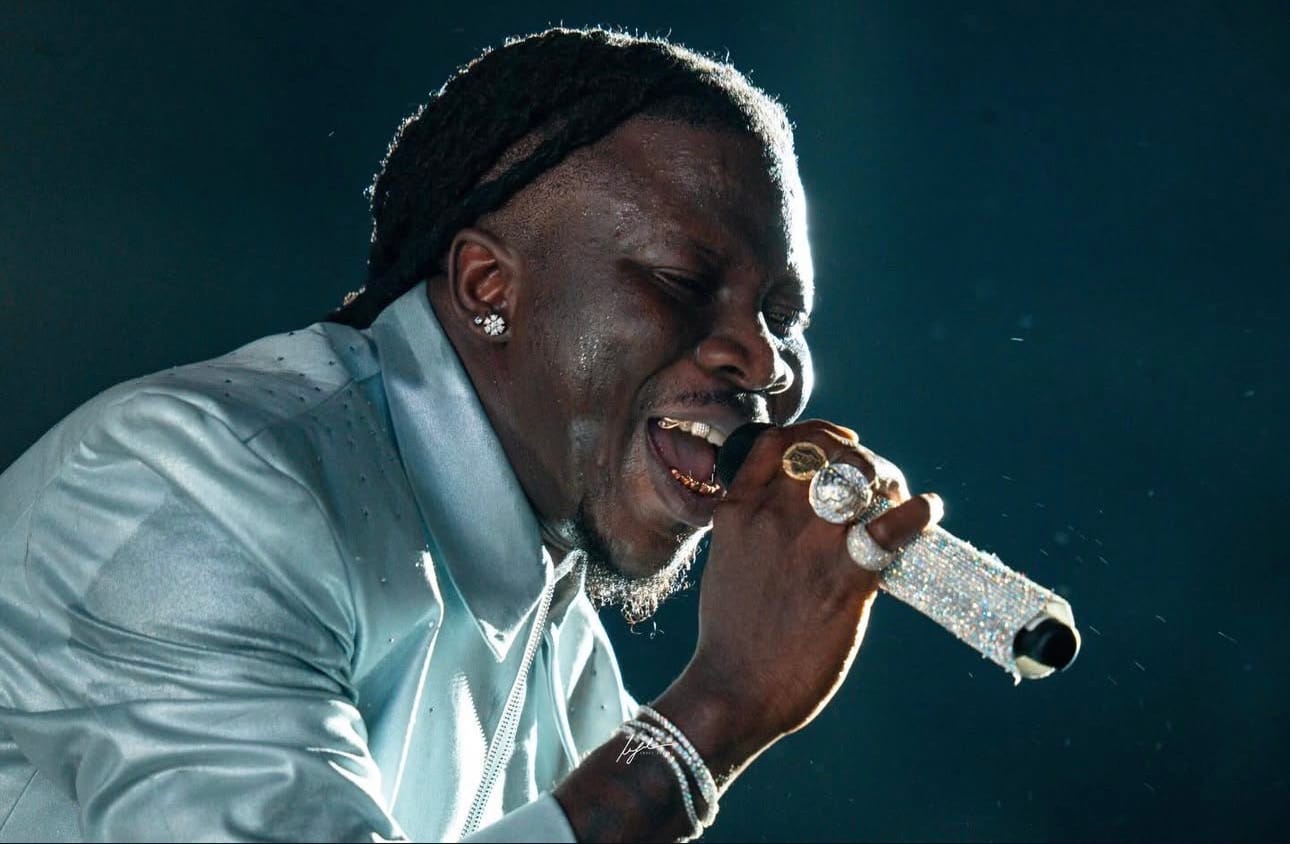
Ghana’s music scene is experiencing a renaissance. While established artists continue dominating global charts, a new generation of Ghanaian musicians is redefining what Afrobeats and highlife sound like in 2026. These rising stars are securing international collaborations, streaming millions monthly, and putting Ghana entertainment back on the world map. Here’s who you need to know right now.
Why Ghana’s Music Industry Is Booming in 2026
The global appetite for Afrobeats Ghana has never been stronger. Streaming platforms report that West African music consumption increased by over 40% between 2023 and 2025, with Ghana contributing significantly to this growth. Unlike previous decades where Nigerian artists dominated the narrative, Ghanaian musicians are now carving distinct sonic identities that blend traditional Ghana highlife rhythms with contemporary production techniques.
What makes 2026 different? Three factors: improved digital distribution infrastructure across Accra and Kumasi, increased investment from international labels scouting West African talent, and social media algorithms finally favoring diverse African sounds beyond the usual suspects. These emerging artists aren’t just riding a wave—they’re creating it.
The Top 10 Emerging Ghanaian Musicians You Must Watch
1. Amaarae’s Protégé: Ria Boss
Ria Boss emerged from Amaarae’s creative collective and has quickly established herself as a force in alternative Afrobeats. Her breakout single “Accra Nights” (2025) blends highlife guitar licks with trap-influenced production, accumulating over 15 million streams on Spotify. What sets Ria apart is her refusal to conform to traditional genre boundaries—she’s equally comfortable over drill beats as she is on classic highlife instrumentals.
Her collaboration with UK grime artist Skepta on “West Side Story” introduced her to European audiences, while her feature on Burna Boy’s album solidified her continental credibility. Industry insiders suggest her debut album, dropping mid-2026, could be Ghana’s most internationally successful project since Sarkodie’s peak years.
2. Yaw Tog’s Evolution: The Asakaa Movement Leader
While Yaw Tog isn’t entirely new, his 2026 reinvention deserves recognition. After pioneering the Asakaa (Ghanaian drill) movement in 2021, he’s now incorporating traditional Akan rhythms into his hard-hitting productions. His recent EP “Kumasi to the World” showcases this evolution, with tracks like “Kumerica Anthem 2.0” featuring live fontomfrom drums alongside 808s.
What I find particularly impressive is his business acumen. Yaw Tog launched his own record label in early 2026, signing three emerging Kumasi-based artists and creating a sustainable ecosystem for Ghana music talent outside Accra’s traditional industry structures.
3. Gyakie’s Successor: Lasmid
Lasmid represents the new generation of Ghanaian musicians who understand global markets from day one. His viral hit “Friday Night” (late 2025) became a TikTok phenomenon, with over 2 million video creations worldwide. Unlike many one-hit wonders, Lasmid followed up with consistent releases that showcase his versatility across Afrobeats, highlife, and even amapiano influences.
His collaboration with South African producer Kabza De Small on “Accra to Johannesburg” demonstrates the growing pan-African collaboration trend. Based on current streaming trajectories, industry analysts project Lasmid could reach 50 million monthly listeners by year-end 2026.
4. The Highlife Purist: Kofi Jamar
Kofi Jamar is doing something radical in 2026—making pure highlife cool again for Gen Z audiences. His approach involves collaborating with veteran highlife musicians like Amakye Dede while maintaining contemporary production standards. His project “Highlife Renaissance” features live instrumentation recorded at Accra’s historic Apollo Theatre, bridging generations of Ghana highlife tradition.
What makes Kofi’s work significant is its cultural preservation angle. He’s not just making music; he’s documenting and modernizing a genre that younger Ghanaians were abandoning for foreign sounds. His YouTube documentary series about highlife legends has garnered over 5 million views, proving that authentic storytelling resonates.
5. The Female Powerhouse: Sefa’s Rise
Sefa has transformed from a promising talent to a continental star in just two years. Her 2026 single “E Choke (Ghana Edition)” became an anthem across West Africa, with the music video surpassing 30 million YouTube views in three months. What distinguishes Sefa is her vocal range—she effortlessly transitions from rapid-fire rap verses to melodic highlife choruses within the same track.
Her collaboration with Tiwa Savage on “Queens of West Africa” marked a significant milestone, representing one of the few major Ghana-Nigeria female artist partnerships. Industry experts suggest this collaboration could open doors for more cross-border female artist projects, historically underrepresented in West African music.
6. The Genre-Bender: Black Sherif’s Continued Dominance
While Black Sherif broke through in 2022, his 2026 output proves he’s not slowing down. His sophomore album “The Villain I Never Was: Deluxe” explores themes of mental health, economic hardship, and African identity with unprecedented vulnerability for mainstream Afrobeats Ghana artists. Tracks like “Konongo Zongo” blend highlife samples with trap production, creating a distinctly Ghanaian sound that’s gaining international traction.
His sold-out European tour in early 2026 demonstrated his growing international appeal, with performances in London, Paris, and Berlin attracting diverse audiences beyond the African diaspora. This crossover success is opening doors for other emerging Ghanaian musicians to access European markets previously dominated by Nigerian artists.
7. The Producer-Artist: KillBeatz’s New Chapter
KillBeatz, known for producing hits for established artists, stepped into the spotlight as a solo artist in 2026. His instrumental album “Sounds of Accra” showcases Ghana’s sonic diversity, from coastal highlife to northern Ghanaian traditional rhythms, all reimagined through modern production techniques. The project has been praised by music critics internationally for its innovative approach to cultural preservation through electronic music.
What makes this significant for Ghana entertainment is the validation it provides for producers as standalone artists. KillBeatz’s success is inspiring other behind-the-scenes talents to step forward, potentially diversifying Ghana’s music export beyond traditional vocalist-led projects.
8. The TikTok Sensation: Abiana
Abiana represents how social media is democratizing music discovery in Ghana. Her song “Ginger Me” went viral on TikTok in late 2025, leading to a record deal with a major label by early 2026. Unlike manufactured viral moments, Abiana’s authenticity resonates—she writes about everyday Ghanaian experiences with humor and relatability that younger audiences crave.
Her follow-up singles have maintained momentum, with “Borla Bird” accumulating over 20 million streams across platforms. What I find particularly noteworthy is her independent approach to content creation; she produces her own music videos using smartphone technology, proving that expensive production isn’t always necessary for impact in 2026’s digital landscape.
9. The Diaspora Connector: Camidoh
Camidoh has mastered the art of creating music that appeals to both continental and diaspora audiences. His hit “Sugarcane (Remix)” featuring King Promise, Mayorkun, and Darkoo became one of 2025’s biggest Afrobeats collaborations, demonstrating his ability to curate cross-border partnerships. In 2026, he’s continued this strategy with features spanning from East Africa to the Caribbean.
His business model is worth studying: Camidoh strategically releases different versions of songs tailored to specific regional markets, maximizing streaming revenue across diverse audiences. This approach has made him one of Ghana’s most commercially successful emerging artists, with industry sources suggesting his catalog generates over $50,000 monthly in streaming revenue.
10. The Cultural Ambassador: Fameye
Fameye has evolved from local favorite to international prospect through consistent quality and authentic storytelling. His 2026 album “Songs of Peter” addresses social issues affecting everyday Ghanaians—unemployment, corruption, and economic hardship—with the kind of raw honesty that’s resonating beyond entertainment value. Tracks like “Praise” have become anthems in Ghanaian churches, demonstrating his crossover appeal.
What distinguishes Fameye is his commitment to singing primarily in Twi, Ghana’s most widely spoken local language. While many artists adopt English for international appeal, Fameye’s success proves that authentic cultural expression can achieve global reach when the emotion and production quality are compelling enough.
Key Takeaways
- Ghana’s music industry in 2026 is characterized by genre-blending innovation, with artists combining traditional highlife elements with contemporary Afrobeats, drill, and amapiano influences.
- Emerging Ghanaian musicians are leveraging social media platforms, particularly TikTok, to build international audiences without traditional label infrastructure.
- Cross-border collaborations between Ghanaian and Nigerian artists are increasing, breaking down historical competitive barriers and creating pan-African music movements.
- Cultural authenticity is becoming a competitive advantage, with artists like Kofi Jamar and Fameye proving that preserving traditional sounds can coexist with commercial success.
- The business sophistication of emerging artists has improved dramatically, with many launching independent labels, managing their own distribution, and building sustainable revenue streams beyond streaming.
How These Artists Are Changing Ghana Entertainment
The impact of these emerging Ghanaian musicians extends beyond chart positions and streaming numbers. They’re fundamentally changing how the world perceives Ghana music. For decades, Ghana’s music industry operated in Nigeria’s shadow, with international audiences often conflating the two distinct musical cultures. These artists are establishing Ghana’s unique sonic identity.
From a business perspective, their success is attracting unprecedented investment into Ghana’s music infrastructure. Recording studios in Accra are upgrading to international standards, music distribution companies are establishing West African headquarters in Ghana, and international festivals are adding more Ghanaian artists to their lineups. This ecosystem development creates opportunities for the next generation of talent.
What I recommend for industry stakeholders: invest in artist development programs that combine musical training with business education. The artists thriving in 2026 understand streaming economics, social media algorithms, and international touring logistics—skills as important as musical talent in today’s industry. Organizations like Ghana music industry associations are beginning to offer these resources, but more comprehensive programs are needed.
The Role of Technology in Ghana’s Music Renaissance
Technology has democratized music production and distribution in Ghana. Artists no longer need expensive studio time to create professional-quality tracks. Software like FL Studio and Ableton Live, combined with affordable MIDI controllers, allow bedroom producers to compete with established studios. This technological accessibility is partly why we’re seeing such an explosion of emerging talent.
Streaming platforms have also changed the game. Artists can now release music directly to global audiences without label intermediaries. Platforms like Audiomack and Boomplay, which are particularly popular in West Africa, provide analytics that help artists understand their audiences and make data-driven decisions about touring, collaborations, and marketing strategies.
The challenge? Digital infrastructure gaps still exist. Internet connectivity in some Ghanaian regions remains unreliable, limiting artists’ ability to consistently engage with online audiences. However, telecommunications companies are investing heavily in 5G rollout across major cities, which should address these limitations by late 2026.
What’s Next for Ghana’s Music Industry
Looking ahead, several trends will likely shape Ghana’s music landscape. First, expect more genre experimentation. Artists are increasingly comfortable blending seemingly incompatible styles—highlife with electronic dance music, gospel with Afrobeats, traditional folk with hip-hop. This creative fearlessness is producing genuinely innovative sounds that could define African music’s next chapter.
Second, the business side will continue professionalizing. More artists are hiring managers, lawyers, and accountants early in their careers, protecting their intellectual property and negotiating better deals. This professionalization will lead to more sustainable careers and less exploitation by opportunistic industry players.
Third, international collaborations will expand beyond the usual Nigeria-Ghana-South Africa triangle. Expect to see more partnerships with East African artists, Caribbean musicians, and even Latin American acts as the global music industry recognizes Africa’s influence on contemporary popular music.
For investors and industry professionals, Ghana represents significant opportunity. The country’s stable political environment, English-speaking population, and growing middle class create favorable conditions for entertainment industry growth. Those who invest now in emerging talent, infrastructure, and distribution will likely see substantial returns as Ghana’s music export continues expanding.
Frequently Asked Questions
Who are the most popular emerging Ghanaian musicians in 2026?
The most popular emerging Ghanaian musicians in 2026 include Ria Boss, Lasmid, Black Sherif, Sefa, and Camidoh. These artists are gaining international recognition through viral hits, strategic collaborations, and consistent quality releases. They represent diverse styles within Afrobeats and highlife, from Ria Boss’s alternative sound to Lasmid’s TikTok-friendly melodies and Black Sherif’s emotionally raw storytelling. Their combined streaming numbers exceed 100 million monthly listeners across major platforms.
How is Ghana highlife music evolving in 2026?
Ghana highlife in 2026 is experiencing a renaissance through modernization while maintaining traditional elements. Artists like Kofi Jamar are incorporating live instrumentation and collaborating with veteran highlife musicians, while others blend highlife guitar patterns and rhythms with contemporary Afrobeats and drill production. This evolution is making highlife relevant to younger audiences who previously favored foreign genres, creating a bridge between generations and preserving cultural heritage through innovation.
What makes Ghanaian Afrobeats different from Nigerian Afrobeats?
Ghanaian Afrobeats distinguishes itself through stronger highlife influences, incorporation of local languages (particularly Twi), and distinct rhythmic patterns rooted in traditional Ghanaian music. While Nigerian Afrobeats often emphasizes percussion and bass-heavy production, Ghanaian artists frequently feature melodic guitar work and vocal harmonies characteristic of highlife. Additionally, Ghanaian Afrobeats tends to address social issues more directly, with artists like Fameye and Black Sherif creating socially conscious content alongside dance-oriented tracks.
How can international audiences discover new Ghana music?
International audiences can discover new Ghana music through streaming platforms like Spotify, Apple Music, Audiomack, and Boomplay, which feature curated Afrobeats and highlife playlists. Following Ghanaian music blogs, YouTube channels dedicated to West African music, and social media accounts of Ghanaian artists provides regular updates on new releases. TikTok has become particularly effective for discovering emerging Ghanaian musicians, as viral sounds often originate from up-and-coming artists. Additionally, attending African music festivals in Europe and North America increasingly features Ghanaian performers.
Are Ghanaian musicians getting international record deals?
Yes, emerging Ghanaian musicians are increasingly securing international record deals and distribution partnerships. Major labels and independent distributors are actively scouting talent in Accra and Kumasi, recognizing Ghana’s growing influence in global music markets. Artists like Ria Boss, Lasmid, and Camidoh have signed deals with international labels or established strategic partnerships that provide global distribution while allowing creative control. However, many successful artists are also choosing independent routes, using digital distribution platforms to maintain ownership while accessing international markets.
Conclusion: Ghana’s Musical Future Is Now
The emerging Ghanaian musicians highlighted here represent more than individual success stories—they’re evidence of a systemic transformation in Ghana’s music industry. As these artists continue gaining international recognition, they’re creating pathways for the next generation while redefining what Ghana entertainment means on the global stage. If you’re an industry professional, now is the time to pay attention. If you’re a music fan, these are the artists who will define the next decade of African music. Start listening today.