Ghana Culture Week 2026 Set for March 13-14 with Focus on Resetting Creative Ecosystem
Two-day event at the National Theatre brings together policymakers, creatives, and stakeholders to deliberate on reforms needed to strengthen Ghana's cultural sector.

The Ghana Culture Forum, under the auspices of the Ministry of Tourism, Culture and Creative Arts and in collaboration with the Ghana Tourism Authority, has announced the staging of Ghana Culture Week 2026.
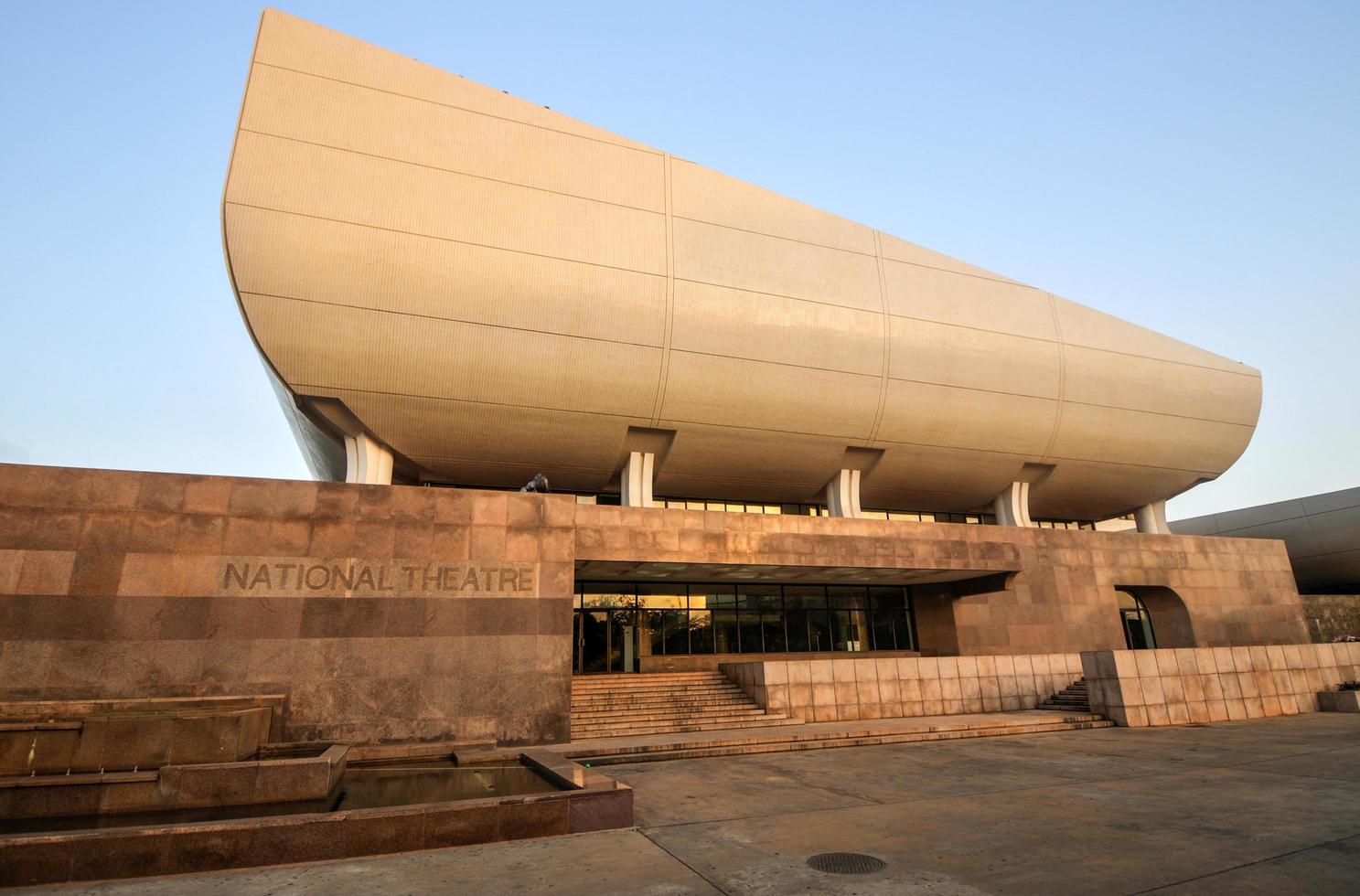
The two-day event, scheduled for Friday, March 13 and Saturday, March 14, will take place at the National Theatre of Ghana in Accra, bringing together key stakeholders to address the future of the country’s creative industries.
This year’s theme, “Resetting Ghana’s Culture and Creative Ecosystem,” signals a renewed focus on strengthening cultural institutions, heritage promotion strategies, and the broader creative industries that contribute to national identity and economic development.
Strategic Dialogue
Organisers have positioned the event not merely as a celebration of heritage but as a strategic dialogue on modernising and sustaining Ghana’s creative ecosystem in a rapidly evolving global environment.
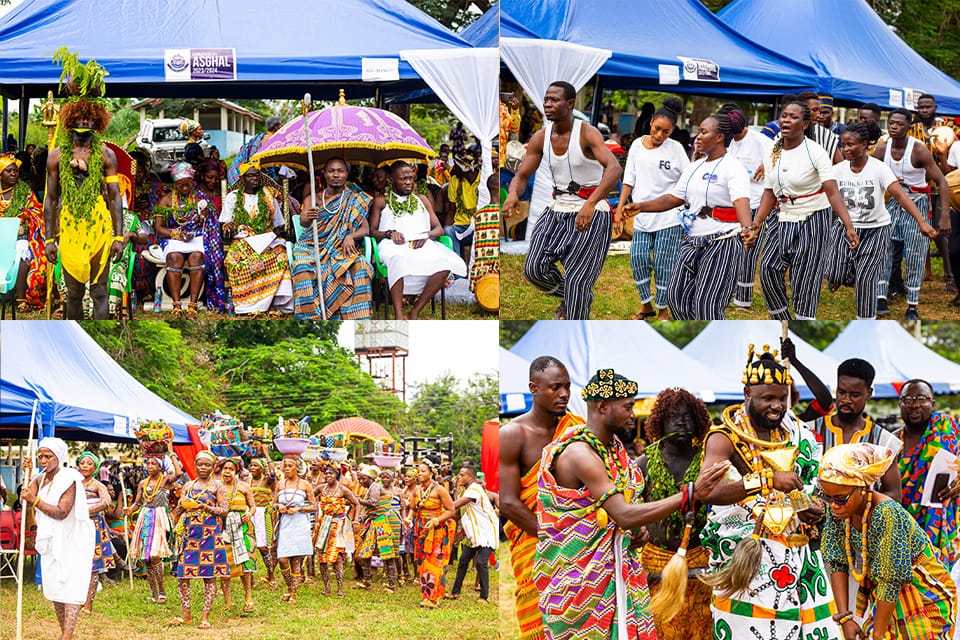
The programme aims to bring together policymakers, creatives, traditional leaders, students, and industry stakeholders to deliberate on reforms needed to reposition Ghana’s cultural sector for growth and global competitiveness.
Discussions are expected to cover policy frameworks, funding mechanisms, intellectual property protection, and strategies for expanding the international reach of Ghanaian cultural products and creative talent.
Industry Context
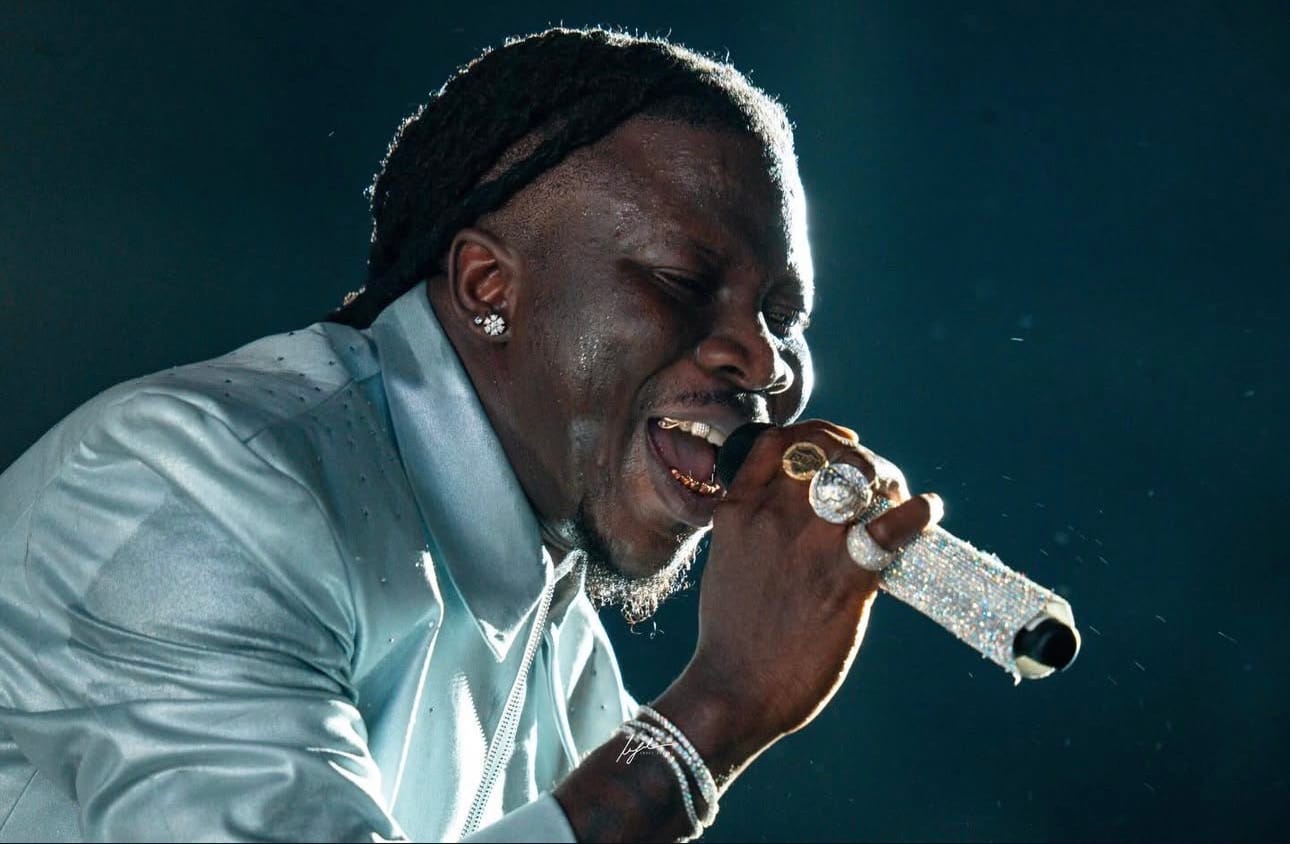
Ghana’s music industry continues to demonstrate vibrancy and international appeal, with artists like Sarkodie, Stonebwoy, Gyakie, Black Sherif, and Shatta Wale commanding significant streaming numbers and global recognition. The Afrobeats movement has positioned Ghanaian sounds alongside Nigerian counterparts as dominant forces in African contemporary music.
Beyond music, Ghana’s broader creative economy encompasses film, fashion, visual arts, literature, and traditional crafts—sectors that stakeholders argue require coordinated policy attention to reach their full potential.
Policy Engagement
The event comes as the creative arts sector continues to engage with government on industry priorities. Artists including Shatta Wale have publicly called for reform of Ghana’s entertainment sector, urging the Mahama administration to address structural challenges facing practitioners.
Music industry figure Baba Sadiq’s recent appointment as Ghana’s High Commissioner to Nigeria suggests government recognition of the strategic importance of cultural diplomacy and creative industry development.
Registration and Participation
Culture Week 2026 is expected to attract participants from across the creative spectrum, including established artists, emerging talents, cultural administrators, academics, and policy practitioners interested in shaping the future direction of Ghana’s creative economy.
The National Theatre of Ghana, itself an iconic cultural institution, provides a fitting venue for deliberations on the sector’s future, symbolising both the heritage and the contemporary relevance of Ghanaian creative expression.
“The programme aims to bring together policymakers, creatives, traditional leaders, students and industry stakeholders to deliberate on reforms needed to reposition Ghana’s cultural sector for growth.”
— Ghana Culture Forum