Middle East Oil Shock Threatens Ghana’s Fuel Price Gains as Strait of Hormuz Disruption Sends Crude Surging
Iran's attacks on commercial vessels near the Strait of Hormuz have sent global oil prices surging more than 8 percent, with analysts warning Ghana could face a diesel price increase of up to 20 percent in the March second pricing window — threatening to reverse a year of carefully won relief at the pumps.

The Global Trigger: Hormuz Under Fire
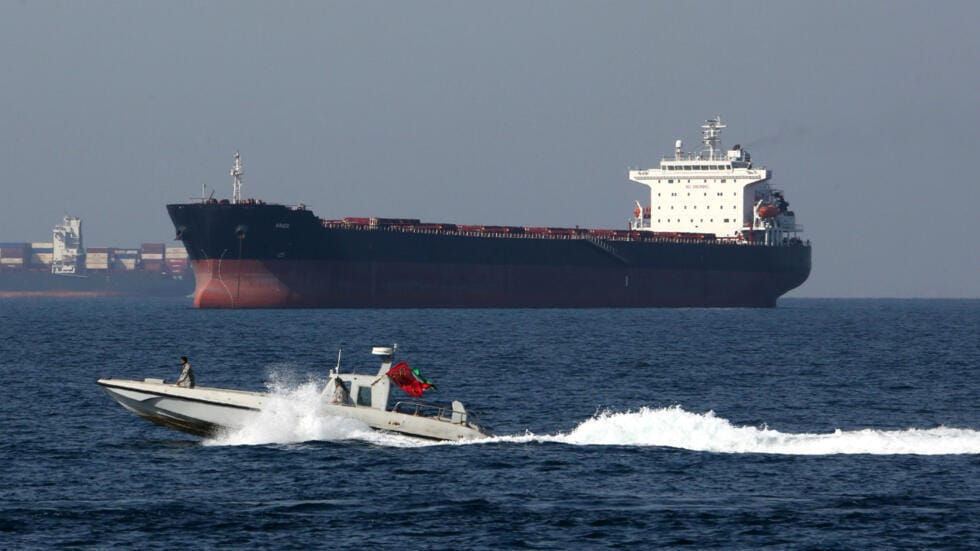
Global oil markets lurched upwards on March 2, 2026, after Iran intensified attacks on commercial vessels near the Strait of Hormuz — the narrow waterway between Oman and the UAE through which approximately 20 percent of the world’s daily oil and gas supply passes. The UK Maritime Trade Operations Centre (UKMTO) reported at least three vessels attacked near the strait, with two ships struck by unknown projectiles causing fires and a third reporting an explosion in very close proximity.
Iran warned all ships against passing through the strait, prompting an extraordinary response from the shipping industry: at least 150 tankers dropped anchor in open Gulf waters beyond the strait’s entrance, halting a significant portion of daily global oil flow. “Because of Iran’s threats, the strait is effectively closed,” Homayoun Falakshahi from shipping data platform Kpler told the BBC. “The vessels have taken a precautionary measure not to enter as the risks are too high and their insurance costs have sky-rocketed.”
By early Monday morning in Asia, Brent crude jumped more than 10 percent before settling up around 8.5 percent at $79.11 per barrel. US-traded West Texas Intermediate rose 7.6 percent to $72.12. European diesel futures surged as much as 23 percent to a two-year high. The Chamber of Petroleum Consumers (COPEC) confirmed crude had touched $91 per barrel at one point on Saturday, February 28.
“What I can confirm is that the Strait of Hormuz is blocked as we speak. The situation is fluid and not looking very kind.”
— Duncan Amoah, Executive Secretary, COPEC Ghana, February 28, 2026
Ghana’s Fuel Price Relief Now Under Threat
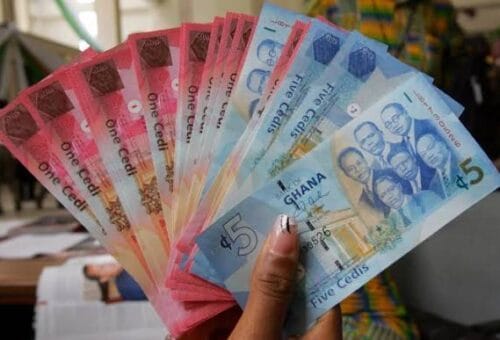
For Ghana, the timing could not be worse. President Mahama had highlighted falling fuel prices as one of the signature achievements of his first year in office: petrol had dropped from GH¢15.20 to GH¢10.70 per litre, and briefly dipped below GH¢10 for the first time in years. Diesel fell from GH¢15.40 to GH¢11.30. These drops translated into real relief for Ghana’s 3.7 million vehicle owners and the tens of millions who depend on transportation costs.
COPEC had already forecast petrol rising by 3.59 percent and diesel by 1.52 percent for the first pricing window of March 2026, based on pre-conflict crude price movements. Those projections are now likely to be significantly revised upward. Ben Nsiah, Executive Director of the Centre for Environmental Management and Sustainable Energy (CEMSE), warned that diesel could rise by at least 20 percent at the second pricing window beginning March 16 if prevailing conditions remain unchanged.
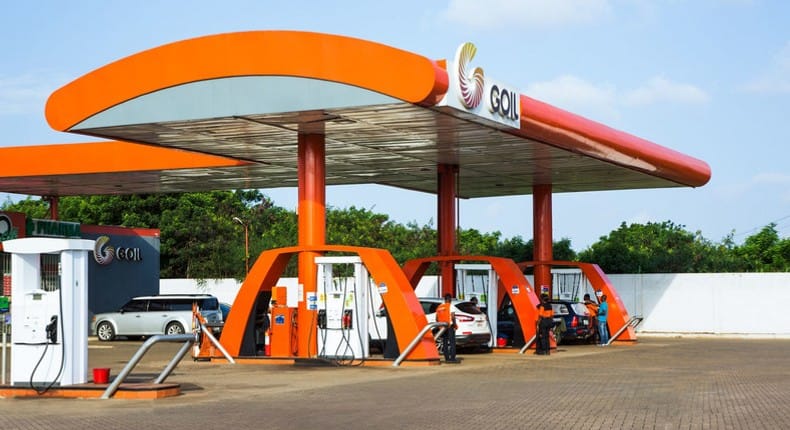
Oil Marketing Companies (OMCs) began the first March pricing window with petrol at GH¢10.46 per litre at GOIL and Star Oil. A sustained crude price at the $79-91 range would translate directly into upward pressure on pump prices in subsequent windows, wiping out much of the relief Ghanaians have experienced over the past year.
Regional and Global Implications
The conflict extends well beyond Hormuz. Saudi Arabia reported intercepting Iranian drones that targeted the Ras Tanura oil refinery near Dammam — one of the world’s largest oil processing facilities — with the refinery shut down as a precaution. Qatar, a major LNG supplier, halted production due to the conflict, sending European natural gas futures jumping more than 40 percent. Iran attacked targets in Israel, Qatar, the UAE, Kuwait, Bahrain, Jordan, Saudi Arabia, Iraq, and Oman.
OPEC+ agreed on Sunday to increase output by 206,000 barrels per day in an attempt to stabilise markets, though analysts questioned whether this would be sufficient to cushion prolonged disruptions. “The key question for the global economy is obvious: Will the Strait of Hormuz be effectively closed for more than a few weeks?” said Holger Schmieding, chief economist at Berenberg bank. “If so, it would hurt global growth and raise global inflation noticeably.”
A sustained rise of $15 per barrel could add 0.5 percentage points to consumer prices in Europe. For Ghana — a net oil importer dependent on global commodity markets for both its fuel supply and the export revenues from its own crude production — the shock arrives at a moment when economic stabilisation has only recently been achieved. Whether the Strait reopens swiftly or remains contested will be the defining external factor in Ghana’s economic trajectory for the months ahead.