Mahama Signs 24-Hour Economy Authority Bill Into Law, Tells Investors: Ghana is Open for Business Around the Clock
The 24-Hour Economy Authority Bill — the centrepiece of President Mahama's economic transformation agenda — became law on February 19 after Parliament passed the legislation on February 6, unlocking GH¢110 million in startup funding and sending a direct signal to investors that Ghana is ready for round-the-clock business


From Campaign Promise to Legal Mandate
The 24-Hour Economy Authority Bill, 2025 was formally assented to by President John Dramani Mahama on Thursday, February 19, 2026, in a brief ceremony at Jubilee House just before the 13th Cabinet meeting. The signing marks the transition of one of the National Democratic Congress’s (NDC) most prominent campaign pledges from political rhetoric to enforceable law.
Parliament had passed the bill on February 6, 2026, following extensive debate between the Majority and Minority caucuses. The Minority raised concerns about potential duplication of existing government functions and implementation risks, while the government argued the policy would substantially boost job creation and productivity. Presidential Advisor Goosie Tanoh, who led the team that developed the legislation, was present at the signing ceremony alongside Vice President Professor Jane Naana Opoku-Agyemang and Cabinet members.
“I just appended my signature to give assent to the 24-Hour Economy Authority Bill. This Bill Ghanaians have been waiting for; it was one of our flagship strategies for economic transformation,” Mahama said after signing. “From now, we must move from strategy to implementation. The business sector is waiting, Ghanaian investors are waiting, foreign investors are waiting.”
“They want to see the package of incentives that we can afford, so that they can invest more, expand productivity, and create more employment for our young people.”
— President John Mahama, on signing the 24-Hour Economy Authority Bill, February 19, 2026
What the Law Establishes
The newly enacted law creates a 24-Hour Economy Authority to serve as the central coordinating body for the nationwide rollout of the policy. The Authority will work closely with government institutions, private sector actors, and other stakeholders to ensure effective execution across three core pillars: Production Systems Development and Transformation; Development of Supply Chain and Market Systems; and Labour Development.
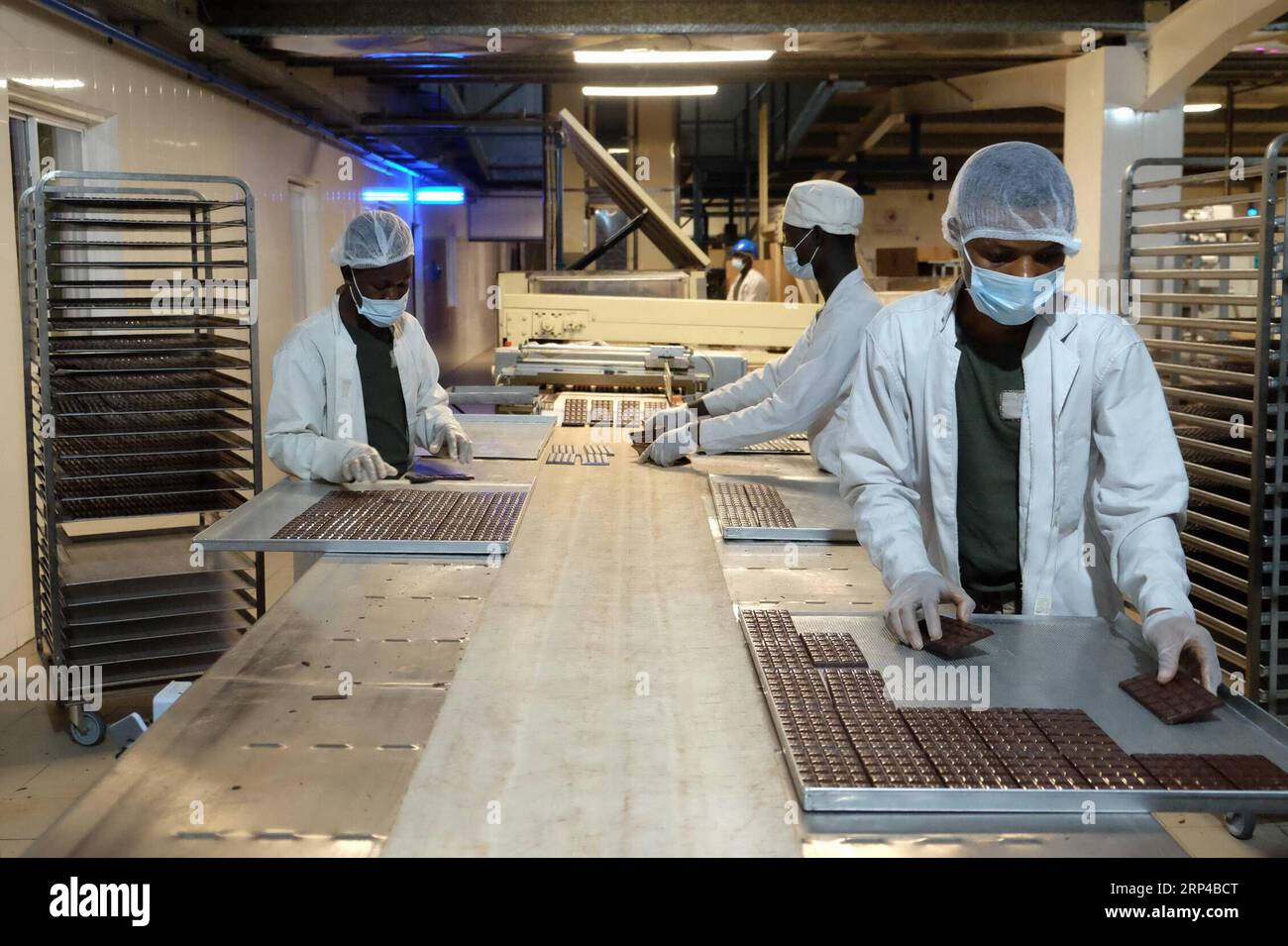
The operational focus targets manufacturing, agro-processing, logistics, and services — sectors that have the most immediate potential to create quality employment for Ghana’s young population. The law is designed to pull Ghana away from its long-standing dependence on exporting low-value raw materials and importing expensive finished goods.
In the 2026 Budget, GH¢110 million has been allocated to begin the setup and initial implementation of the Authority. These resources will enable the first cohort of businesses to operate beyond traditional working hours, attract private investment through strategic partnerships with the Development Bank of Ghana and the Ghana Infrastructure Investment Fund, and establish the incentive framework that investors require before committing capital.
Industry and Labour Reaction
The Ghana Federation of Labour (GFL) welcomed the signing, with Secretary-General Abraham Koomson describing it as a significant step toward reviving local industries. He said the establishment of a dedicated 24-Hour Economy Secretariat would give businesses a direct platform to raise operational concerns without needing to route everything through the Ministry of Trade.
“A structured and well-coordinated approach could help avert the systemic challenges that previously contributed to the collapse of several local industries,” Koomson said, noting that businesses and industry players would now have a more direct channel to the Authority for quicker resolution of challenges.
Business associations, however, have signalled that the proof will be in the implementation. The incentive framework — covering tax reliefs, utility guarantees, labour standards, and energy reliability for night-shift operations — has yet to be detailed. The Authority is expected to publish the framework in the coming weeks as it becomes operationally active.
Context: The Broader Economic Reset
The bill’s signing came eight days before President Mahama delivered his 2026 State of the Nation Address, in which he declared the 24-Hour Economy the “boldest economic transformation initiative in Ghana’s recent history.” He confirmed GH¢110 million in the 2026 Budget for implementation and described it as the centrepiece of his administration’s transition from crisis management to industrial execution.
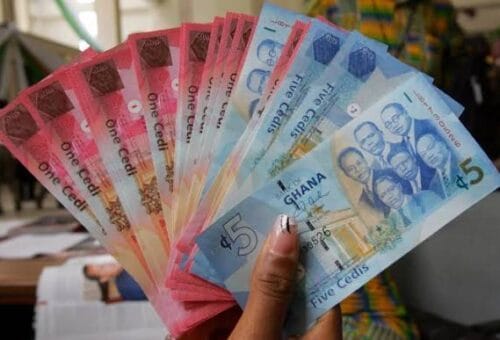
Ghana’s economy has shown significant macroeconomic improvement — inflation collapsed from a peak of 54.1 percent to 3.8 percent in January 2026, the cedi has strengthened considerably, and GDP growth averaged 6.1 percent through the first three quarters of 2025. The 24-hour economy aims to consolidate those gains by shifting growth from macroeconomic stabilisation to structural transformation and job creation.
The critical test, as analysts note, is whether the Authority can move fast enough to satisfy the youth-unemployment imperative that underpins the whole project. With more than a million Ghanaians entering the workforce each year and formal sector capacity constrained by traditional 8-hour business cycles, the 24-hour economy represents a high-stakes bet that Ghana’s youthful energy can become its most powerful economic asset.