Ghana’s GDP Hits $113 Billion as Mahama Delivers SONA 2026 Economic Scorecard: ‘Ghana is Back’
President Mahama's second State of the Nation Address paints a picture of dramatic economic recovery — Ghana's GDP up from $83 billion to $113 billion, inflation at a historic low, and debt restructuring complete — but opposition and economists caution that kitchen-table reality lags behind the headline statistics.

The Headline Numbers: A Dramatic Turnaround
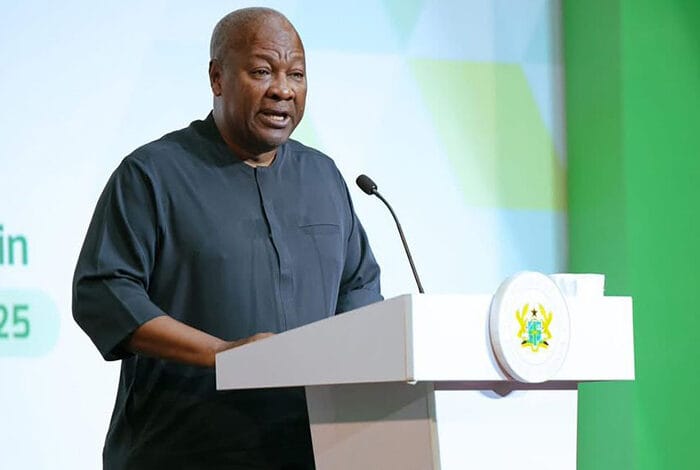
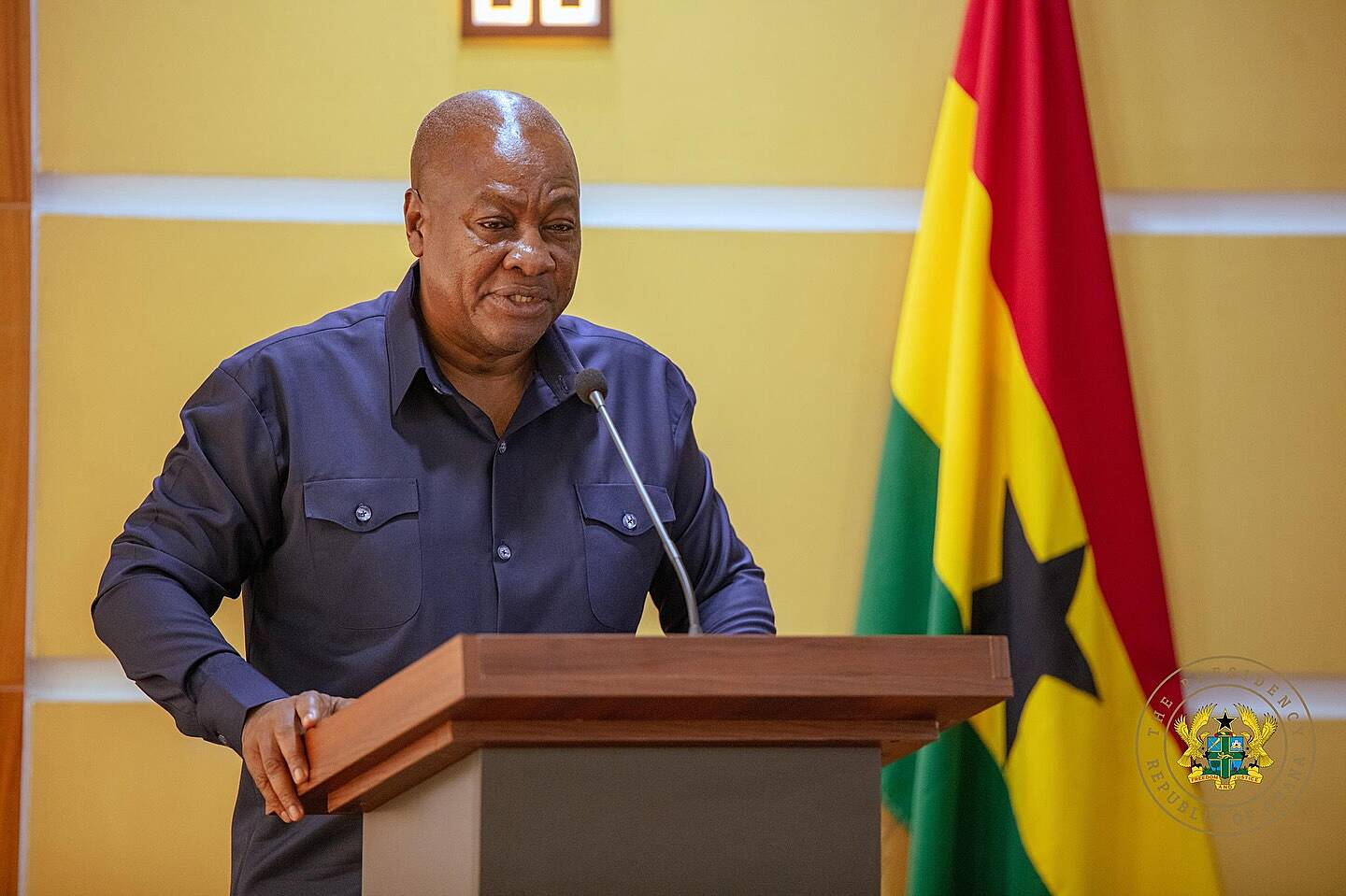
Presenting the 2026 State of the Nation Address to Parliament on February 27, 2026, President Mahama unveiled what his administration describes as Ghana’s most comprehensive economic recovery since the post-HIPC era. Ghana’s GDP is projected to reach $113 billion in 2025, up from $83 billion at the end of 2024 — a 36 percent expansion that places Ghana among the top ten largest economies in Africa.
Average GDP growth for the first three quarters of 2025 stood at 6.1 percent. Inflation, which had peaked at a devastating 54.1 percent at the end of 2022, declined to 23.5 percent by the end of 2024 and has now fallen further to 3.8 percent in January 2026 — the lowest level since the CPI rebasing in 2021 and 13 consecutive months of decline. The President attributed the fall to fiscal consolidation, currency stabilisation, and disciplined monetary policy.
The cedi appreciated 40.7 percent against the US dollar, 30.9 percent against the British Pound, and 24 percent against the Euro during 2025 — reversing years of near-continuous depreciation that had made imported goods unaffordable for millions of Ghanaians. Foreign reserves stood at $13.8 billion by December 2025, covering 5.7 months of imports.
“Our nation is on the runway. It is in take-off mode, and you are all advised to fasten your seatbelts.”
— President John Mahama, 2026 State of the Nation Address, February 27, 2026
Debt, Credit Ratings, and Fuel Price Relief
Public debt was reduced by GH¢82.1 billion, bringing the debt-to-GDP ratio down from 61.8 percent to 45.3 percent. A $709 million euro bond due in 2025 was settled ahead of schedule, completing $1.4 billion in total debt service and restoring credibility with international lenders. Credit rating agencies Fitch, Moody’s, and S&P all upgraded Ghana’s ratings, signalling renewed confidence in the country’s economic management.
Petrol prices fell from GH¢15.20 to GH¢10.70 per litre — and briefly dipped below GH¢10 per litre for the first time in many years. Diesel dropped from GH¢15.40 to GH¢11.30. “These are not statistics,” the President told Parliament. “They translate into the reality of parents being able to put meals on the table for their children, and into businesses thriving.”
The government also abolished a range of taxes introduced between 2017 and 2024, including the E-Levy, the Betting Tax, the Emission Tax, and the COVID Levy. VAT was reformed comprehensively, with the effective rate reduced from 21.9 percent to 20 percent and the registration threshold raised to GH¢750,000 to exclude petty businesses.
Cocoa Crisis, Employment, and the Road Ahead
Not all the news was positive. The cocoa sector required painful structural adjustment. Mahama confirmed the government had to revise the producer price of cocoa to address GH¢32.9 billion in sectoral debt accumulated by the previous administration. Farmers protested across the Western and Western North regions, but the President insisted the reforms were unavoidable and would ultimately transform the sector.
On employment, Ghana Statistical Service data showed over one million Ghanaians found work between Quarter 1 and Quarter 3 of 2025. The current account recorded a surplus of GH¢9.1 billion — representing 8.1 percent of GDP — driven by gold, cocoa, and non-traditional exports alongside increased remittance inflows.
Critics from the Minority in Parliament and independent economists cautioned against complacency. “A primary surplus on paper does not put food on the plates of our people,” remarked Minority Leader Alexander Afenyo-Markin. Economists noted that average lending rates remain high despite the inflation drop and that the structural transformation required to sustain growth — particularly in manufacturing and agro-processing — has barely begun.
Fitch Projects Ghana to Outpace Emerging Markets in 2026
Looking ahead, Fitch Solutions projects Ghana’s real GDP growth will rise from 5.8 percent in 2025 to 5.9 percent in 2026, sustained by private consumption and a recovering investment climate. Mike Kruiniger, Assistant Director at Fitch Solutions, described Ghana’s current trajectory as “exceptionally strong,” noting the country is set to outpace several emerging markets including Asian economies and Kenya.
The key delivery vehicles for the government’s next phase of growth include the newly signed 24-Hour Economy Authority, the GH¢50 billion Big Push infrastructure programme covering 1,144 kilometres of roads, the Ghana Accelerated National Reserve Accumulation Policy targeting 15 months of import cover by 2028, and an Accelerated Export Development Programme to shift Ghana up the value chain from raw commodity exports.