10 Powerful Ghana Independence Facts Students Must Know 2026
Discover 10 powerful Ghana independence facts every student must know in 2026 — from Kwame Nkrumah's midnight speech to the Big Six's legacy.

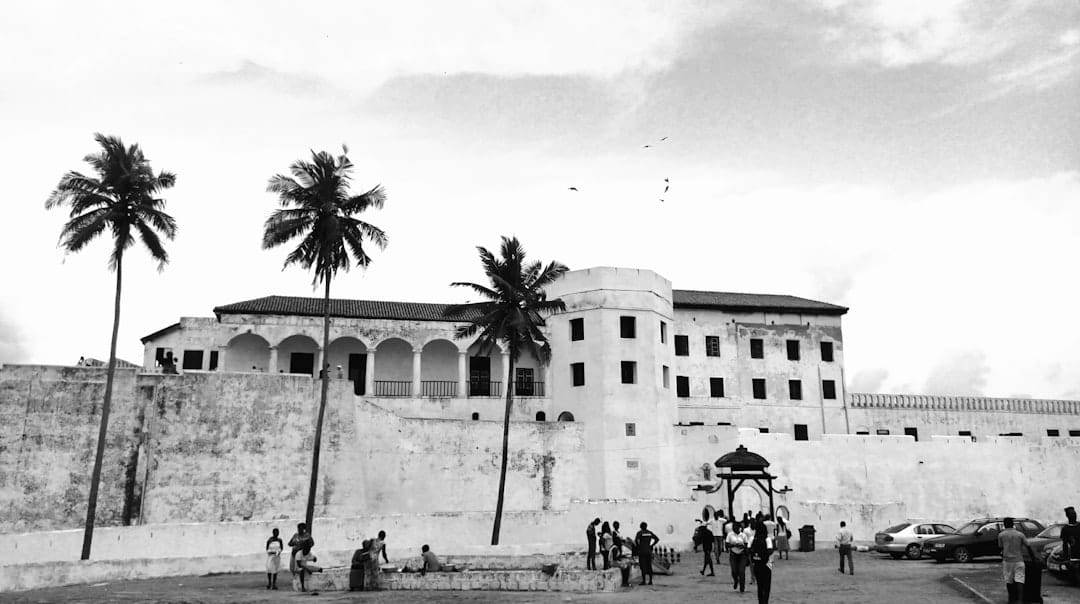
Did you know that on 6th March 1957, Ghana became the first sub-Saharan African country to gain independence from colonial rule — a moment that changed the course of an entire continent? If you are a student, educator, or proud Ghanaian, understanding the real depth of this historic day is essential. In this article, you will discover 10 powerful Ghana independence facts that go far beyond the textbook.
1. Ghana Was the First Sub-Saharan African Nation to Gain Independence
On 6th March 1957, the Gold Coast officially became Ghana, making it the first country in sub-Saharan Africa to break free from British colonial rule. This was not just a national victory — it was a continental awakening that inspired independence movements across Africa.
Ghana’s independence sent a powerful message: African self-governance was not only possible, but inevitable. Leaders across Nigeria, Kenya, and beyond drew direct inspiration from this moment.
2. Kwame Nkrumah’s Famous Midnight Declaration
Kwame Nkrumah, Ghana’s first Prime Minister, delivered his iconic independence speech at midnight on 6th March 1957 at the Old Polo Grounds in Accra. His words — “Ghana, your beloved country, is free forever” — echoed across the world.
Nkrumah had been released from prison just years earlier in 1951 after leading mass protests against British rule. His journey from prison cell to Prime Minister remains one of Africa’s most remarkable political stories. Learn more about his legacy at the Encyclopaedia Britannica’s profile on Kwame Nkrumah.
3. The Big Six Were the Architects of Ghana’s Freedom
The Big Six were the six leaders of the United Gold Coast Convention (UGCC) arrested by British colonial authorities in 1948 following the Accra riots. Their names are permanently etched in Ghanaian history.
- Kwame Nkrumah — Later became Ghana’s first Prime Minister and President
- J.B. Danquah — Lawyer, scholar, and the man who named the nation “Ghana”
- William Ofori Atta — Politician and independence activist
- Ebenezer Ako-Adjei — Lawyer and founding UGCC member
- Edward Akufo-Addo — Lawyer who later became Ghana’s Head of State
- Emmanuel Obetsebi-Lamptey — Nationalist and political organizer
Their arrest, rather than silencing the independence movement, galvanized public support and accelerated the path to freedom. You should also explore Ghana’s Big Six historical significance to understand how each leader contributed uniquely.
4. The Name “Ghana” Has Ancient Roots
The name Ghana was not chosen randomly. It was proposed by J.B. Danquah, inspired by the ancient Ghana Empire that flourished in West Africa between the 6th and 13th centuries — though geographically located further north in present-day Mali and Mauritania.
The choice symbolized a reconnection with pre-colonial African greatness and sovereignty. It was a deliberate act of cultural and historical pride, reminding the world that African civilizations long predated European colonization.
5. The 1948 Accra Riots Were a Turning Point
The 1948 Accra Riots were a critical catalyst for Ghana’s independence. On 28th February 1948, British police fired on a peaceful march of ex-servicemen demanding their colonial war benefits, killing three veterans — Sergeant Adjetey, Corporal Attipoe, and Private Odartey Lamptey.
The riots that followed forced the British government to take Ghanaian political demands seriously for the first time. This event directly led to the arrest of the Big Six and the acceleration of constitutional reforms. For a broader historical context, visit the BBC’s African history educational resources.
6. Ghana’s Independence Inspired Pan-Africanism Globally
Pan-Africanism — the idea of unity and solidarity among all people of African descent — found its most powerful real-world expression in Ghana’s independence. Nkrumah hosted the All-African Peoples’ Conference in Accra in 1958, just one year after independence.
Leaders from across Africa and the African diaspora gathered in Accra, making Ghana the intellectual and political headquarters of African liberation. This is why Accra is still regarded as a spiritual home for people of African descent worldwide, a legacy celebrated to this day in 2026.
7. The Independence Constitution Established a Parliamentary Democracy
Ghana’s 1957 Constitution established a Westminster-style parliamentary democracy, with Nkrumah as Prime Minister under Queen Elizabeth II as head of state — a Commonwealth arrangement. Ghana became a fully independent republic on 1st July 1960, with Nkrumah as its first Executive President.
Understanding this constitutional transition helps students appreciate how Ghana’s governance structures evolved from colonial administration to full self-determination. Ghana constitutional history timeline offers a detailed breakdown of these changes.
8. The Black Star of Ghana Carries Deep Symbolism
Ghana’s national flag — red, gold, and green with a black star at its center — was designed by Theodosia Okoh and adopted at independence in 1957. Each color carries deliberate meaning:
- Red — The blood of those who died for independence
- Gold — The mineral wealth of the nation
- Green — The rich forests and natural resources
- Black Star — The lodestar of African freedom and unity
The black star was directly inspired by Marcus Garvey’s Black Star Line, a shipping company symbolizing Black economic empowerment. Ghana’s national football team, the Black Stars, carries this same proud heritage.
9. Independence Day Is Celebrated as a Public Holiday Every 6th March
Every year on 6th March, Ghana observes Independence Day as a national public holiday with military parades, cultural displays, and civic ceremonies. In 2026, Ghana marks 69 years of independence — a milestone that calls for deep reflection on national progress and future aspirations.
Schools, government institutions, and communities across Ghana hold commemorative events. Students are encouraged to participate actively, as civic engagement is a direct extension of the freedom the independence heroes fought for. You can also explore how to celebrate Ghana Independence Day in schools for practical activity ideas.
10. Ghana’s Independence Remains a Blueprint for African Development
In 2026, Ghana’s independence story is more relevant than ever. The principles Nkrumah championed — economic self-reliance, African unity, and political sovereignty — are active policy discussions in the African Union and among African development economists today.
According to the African Union’s Agenda 2063, the vision for a prosperous and integrated Africa draws directly from the Pan-Africanist ideals that Ghana’s independence ignited. As a student or professional in 2026, understanding this history is not nostalgia — it is strategic knowledge.
Key Takeaways
- Ghana gained independence on 6th March 1957, becoming the first sub-Saharan African nation to do so.
- Kwame Nkrumah declared freedom at midnight, delivering one of Africa’s most iconic speeches.
- The Big Six — including Nkrumah and J.B. Danquah — were the primary architects of Ghana’s liberation.
- The name “Ghana” was inspired by the ancient Ghana Empire, symbolizing pre-colonial African greatness.
- The 1948 Accra Riots were a critical turning point that accelerated the independence movement.
- Ghana’s independence directly inspired Pan-Africanism and liberation movements across Africa.
- The black star on Ghana’s flag represents African freedom, inspired by Marcus Garvey’s legacy.
- In 2026, Ghana’s independence ideals remain central to African Union development frameworks.
Conclusion
Ghana’s independence on 6th March 1957 is not just a date to memorize — it is a living story of courage, vision, and sacrifice that continues to shape Africa in 2026. Whether you are a student preparing for exams, a teacher designing a lesson plan, or a proud Ghanaian reflecting on national heritage, these facts give you the foundation to engage meaningfully with your history. Start today: share one of these facts with someone who needs to hear it, and keep the spirit of independence alive.
Frequently Asked Questions
When did Ghana gain independence and from which country?
Ghana gained independence on 6th March 1957 from British colonial rule. The country was previously known as the Gold Coast and became the first sub-Saharan African nation to achieve independence in the modern era.
Who was Kwame Nkrumah and why is he important to Ghana’s independence?
Kwame Nkrumah was Ghana’s first Prime Minister and later its first President. He led the independence movement, organized mass political action against British rule, and delivered the historic midnight independence declaration on 6th March 1957. He is widely regarded as the Father of the Nation and a founding figure of Pan-Africanism.
Who were the Big Six in Ghana’s history?
The Big Six were six nationalist leaders arrested by British authorities in 1948: Kwame Nkrumah, J.B. Danquah, William Ofori Atta, Ebenezer Ako-Adjei, Edward Akufo-Addo, and Emmanuel Obetsebi-Lamptey. Their arrest following the Accra Riots became a rallying point for the independence movement.
What does the black star on Ghana’s flag represent?
The black star on Ghana’s flag represents African freedom and unity. It was inspired by Marcus Garvey’s Black Star Line and symbolizes the lodestar of African liberation. It is also the origin of the nickname for Ghana’s national football team, the Black Stars.
Why is Ghana’s independence still relevant for students in 2026?
Ghana’s independence in 1957 established principles — sovereignty, Pan-African unity, and economic self-reliance — that are still central to African development policy in 2026. The African Union’s Agenda 2063 framework draws directly from these ideals. Understanding this history equips students with the context to engage with current African political and economic debates.