Ghana Independence Day 2026: 5 Essential Milestones
Ghana Independence Day 2026: Explore the 6th March 2026 celebrations, key events, and what Ghana's 69th independence means for you. Read now.

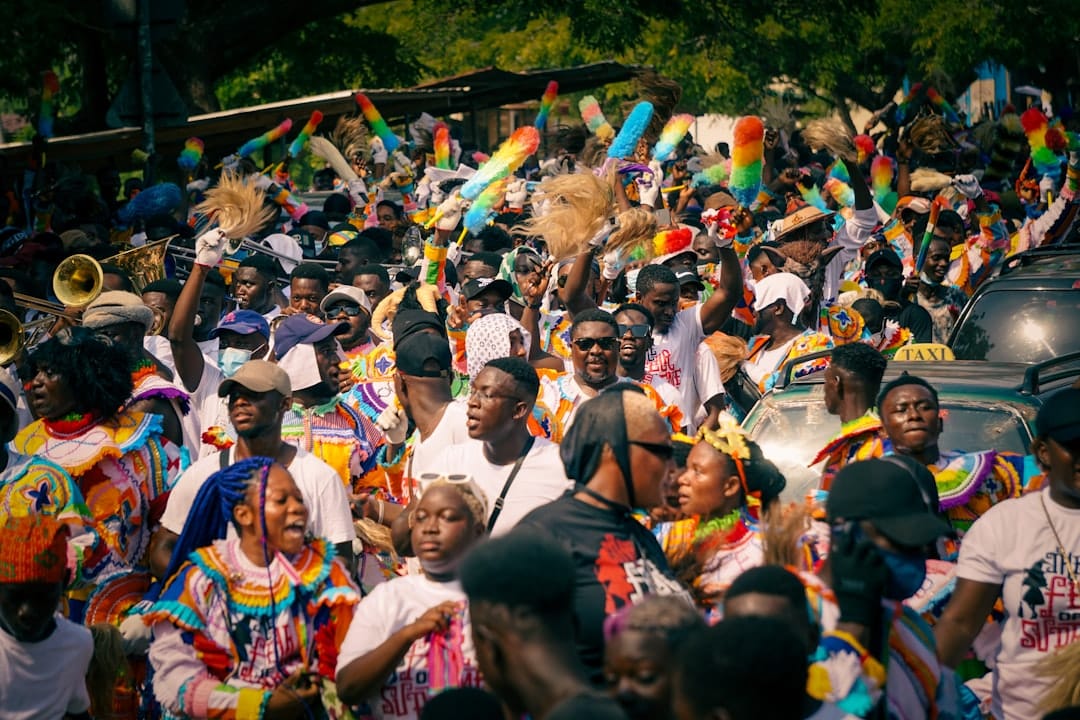
On 6th March 2026, Ghana marks its 69th Independence Day — a moment that invites every Ghanaian, from Accra market traders to Kumasi students, to reflect on how far the nation has come and how far it still must go. This article breaks down what the Ghana Independence Day 2026 celebrations mean in practice, what events are taking place, and what ordinary Ghanaians can take away from this national milestone.
The Significance of Ghana’s 69th Independence Day
On 6th March 1957, Ghana became the first sub-Saharan African country to gain independence from colonial rule — a historic achievement that inspired liberation movements across the continent. Sixty-nine years later, the Ghana 69th independence anniversary is more than a ceremonial occasion; it is a national audit of progress, resilience, and unfinished business.
For small business owners, civil servants, students, and mothers across Ghana, this day carries personal meaning. It is a reminder that the freedoms and opportunities they enjoy — however imperfect — were hard-won by previous generations.
The Official Theme for Ghana Independence Day 2026
The Government of Ghana traditionally announces an official theme that sets the tone for Ghana independence celebrations each year. For 2026, the national conversation centres on economic resilience, youth empowerment, and democratic consolidation — themes that resonate deeply with Ghana’s current realities.
These themes are not accidental. They reflect the government’s acknowledgment that while political independence was achieved in 1957, economic independence remains an ongoing pursuit. For Ghanaian entrepreneurs and workers, this framing is both honest and motivating.
Key Events at the 6th March 2026 Independence Day Celebrations
The 6th March 2026 national celebrations follow a well-established format that combines ceremonial tradition with public engagement. Here is what typically defines the day:
The Independence Square Parade
The centrepiece of Ghana’s Ghana national day is the grand parade at Black Star Square (Independence Square) in Accra. Military regiments, police units, school bands, and cultural groups march before the President and dignitaries in a display of national pride.
In 2026, the parade is expected to feature enhanced youth participation, with student groups from across all sixteen regions represented — a deliberate signal of investment in the next generation.
Regional Celebrations Across Ghana
Independence is not only celebrated in Accra. Regional capitals including Kumasi, Tamale, Takoradi, and Cape Coast host their own events, making the Ghana independence celebrations a truly national experience. Local chiefs, community leaders, and regional ministers lead ceremonies that reflect the cultural diversity of Ghana’s people.
For students and civil workers in regional areas, these local events offer direct access to the national celebration without the need to travel to the capital.
Cultural Displays and National Awards
Ghana’s Independence Day also features vibrant cultural exhibitions showcasing the traditions of Ghana’s many ethnic groups — from Akan kente weavers to Northern smock artisans. The President typically uses this occasion to confer national honours on citizens who have made outstanding contributions to the country.
In 2026, innovators in technology, healthcare workers, and educators are among the categories expected to receive recognition, reflecting the nation’s evolving priorities.
Ghana’s Progress in 69 Years: What the Numbers Reflect
Assessing Ghana’s journey over 69 years requires honest engagement with both achievements and shortcomings. According to the World Bank’s Ghana country data, Ghana has made measurable strides in areas including literacy rates, access to healthcare, and democratic governance.
Ghana has successfully conducted multiple peaceful electoral transitions — a benchmark that many African nations are still working toward. The country’s democratic institutions, including an independent judiciary and a free press, remain among the strongest on the continent.
Economic Realities Facing Ordinary Ghanaians
Despite political achievements, economic pressures remain real for most Ghanaians. Inflation, currency depreciation, and public debt challenges have tested households and small businesses in recent years. The Ghana 69th independence anniversary arrives at a time when many citizens are demanding more tangible economic relief.
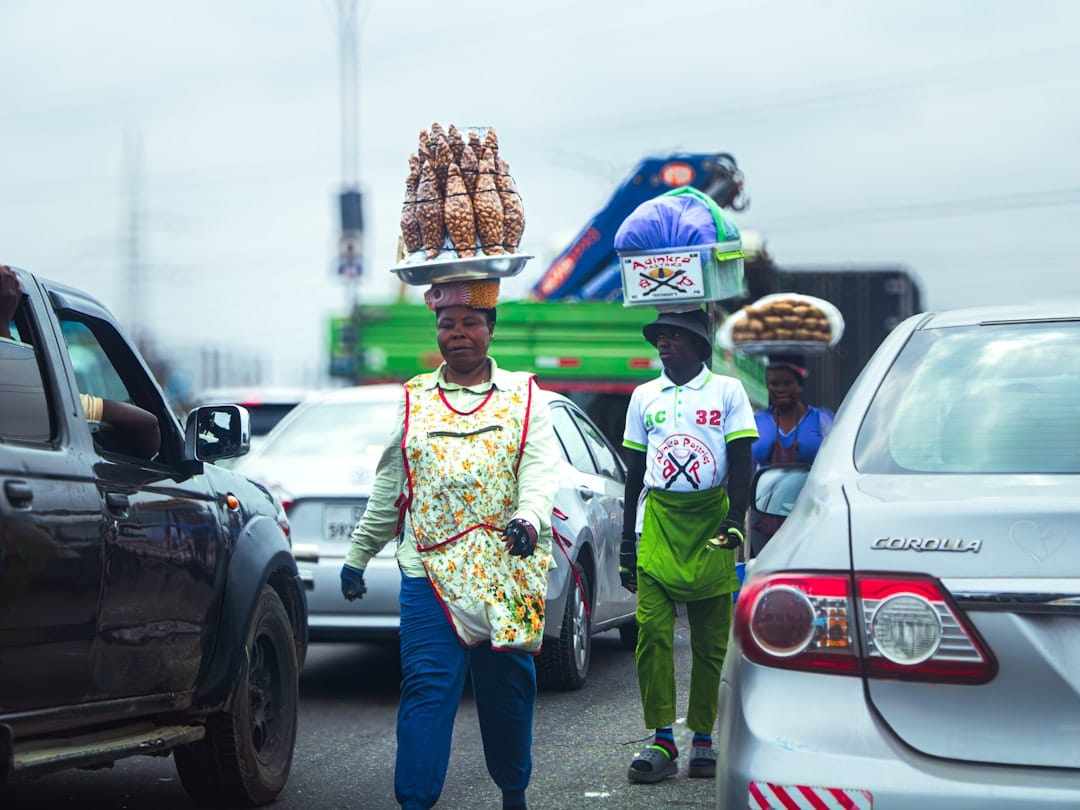
For small business owners, the cost of doing business — from fuel prices to import duties — remains a daily challenge. This is why the 2026 independence theme’s focus on economic resilience speaks directly to lived experience. You can also explore how to grow a small business in Ghana in 2026 for practical strategies to navigate the current economic climate.
Youth and Education: Ghana’s Most Valuable Asset
Ghana’s youth population — with over 57% of citizens under the age of 25, according to Ghana’s official government data — represents both a challenge and an extraordinary opportunity. Investments in Free Senior High School (Free SHS) and Technical and Vocational Education have expanded access to education significantly since 2017.
Students celebrating Ghana Independence Day 2026 are inheriting a country with more educational infrastructure than any previous generation — but they also face a competitive job market that demands skills, entrepreneurship, and adaptability.
What Ghana’s Independence Day Means for Business Owners
For entrepreneurs and small business owners, 6th March 2026 is more than a public holiday. It is an opportunity to align your business identity with national values — local sourcing, job creation, and community investment.
Businesses that actively participate in independence celebrations — through sponsorships, promotions, or community events — build brand goodwill and deepen customer loyalty. Independence Day marketing, when done authentically, resonates powerfully with Ghanaian consumers who value patriotism and community.
Challenges Ghana Must Confront Beyond the Celebrations
Honest patriotism requires acknowledging the work still ahead. Ghana faces structural challenges including youth unemployment, infrastructure gaps in rural areas, and the need for deeper industrialisation. The Ghana independence celebrations in 2026 must be matched by policy action that translates national pride into economic opportunity.
Civil society organisations, the media, and ordinary citizens play a critical role in holding institutions accountable. As Transparency International’s Ghana reports consistently highlight, governance quality and anti-corruption efforts remain areas requiring sustained attention.
For mothers, workers, and students, the most meaningful independence is one felt in daily life — in access to quality healthcare, fair wages, safe communities, and a government that listens. You can also read about civic engagement tips for Ghanaians in 2026 to understand how to participate more actively in national development.
Key Takeaways
- 6th March 2026 marks Ghana’s 69th Independence Day — a milestone for reflection and renewed commitment.
- The 2026 celebrations centre on economic resilience, youth empowerment, and democratic consolidation.
- Key events include the Black Star Square parade, regional celebrations, cultural displays, and national awards.
- Ghana has made real democratic and educational progress over 69 years, but economic challenges remain pressing.
- Small business owners, students, civil workers, and mothers all have a personal stake in Ghana’s independence story.
- Authentic participation in national celebrations — whether civic, commercial, or cultural — strengthens community bonds.
Frequently Asked Questions
When is Ghana Independence Day 2026?
Ghana Independence Day 2026 falls on Friday, 6th March 2026. This is a public holiday across Ghana, commemorating the country’s independence from British colonial rule on 6th March 1957.
What is the theme for Ghana’s 69th Independence Day?
The 2026 Ghana Independence Day theme focuses on economic resilience, youth empowerment, and democratic consolidation — reflecting the nation’s current priorities and aspirations for the next phase of development.
Where are the main Ghana Independence Day 2026 celebrations held?
The main national ceremony takes place at Black Star Square (Independence Square) in Accra. Regional celebrations are also held in all sixteen regional capitals, making the event accessible to Ghanaians across the country.
How can small business owners in Ghana participate in Independence Day celebrations?
Small business owners can participate by running patriotic promotions, sourcing and promoting locally made products, sponsoring community events, or hosting independence-themed activities for customers. Authentic engagement with national values builds lasting brand loyalty among Ghanaian consumers.
Why is Ghana’s independence historically significant for Africa?
Ghana was the first sub-Saharan African country to gain independence from colonial rule in 1957. This milestone inspired liberation movements across the continent and positioned Ghana as a symbol of African self-determination and dignity. Sixty-nine years later, that legacy continues to shape Ghana’s identity and continental influence.