Ghana Gold Royalty 2026: 5 Critical Reasons to Resist
Ghana gold royalty 2026: 5 critical reasons Ghana must resist foreign pressure to cut rates — legal, economic & sovereignty arguments every citizen needs.

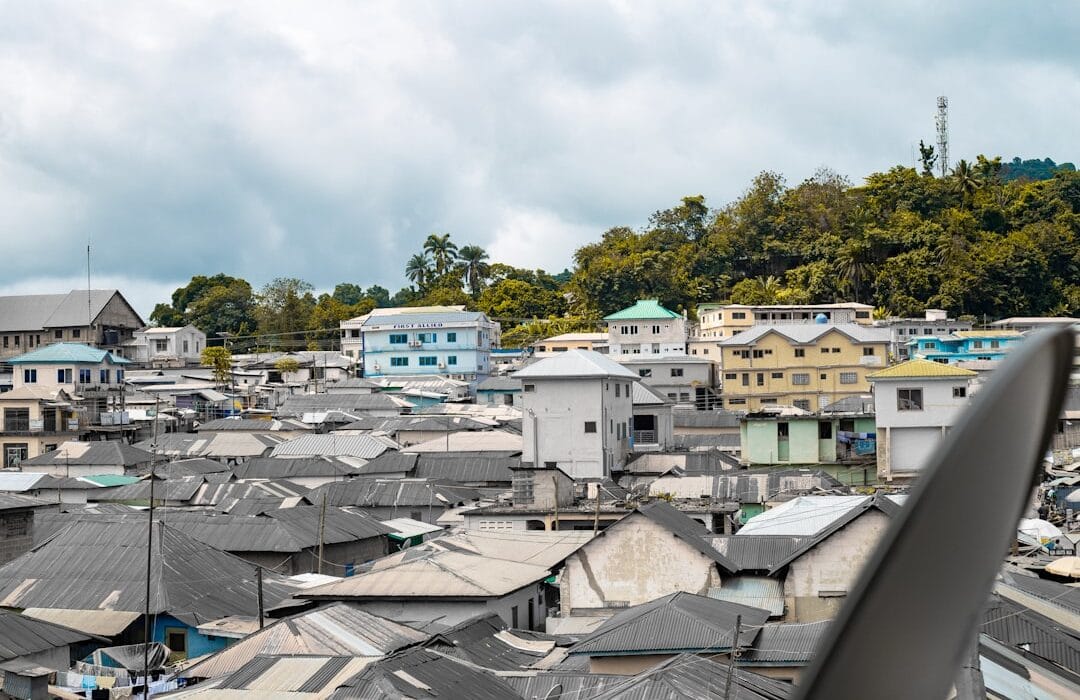
Ghana gold royalty 2026 debates are heating up — and the stakes could not be higher. Foreign mining corporations and their home governments are quietly lobbying Accra to slash royalty rates, but surrendering now could cost Ghana billions in generational wealth. Here are five powerful reasons Ghana must hold firm.
1. Ghana’s Gold Belongs to Ghana — A Legal and Sovereignty Argument
Under Article 257(6) of Ghana’s 1992 Constitution, every mineral in the ground belongs to the Republic of Ghana in trust for its people. This is not a negotiating position — it is the supreme law of the land.
Foreign pressure to reduce royalties is, in effect, pressure to subsidize multinational profits at the expense of Ghanaian citizens. No trade agreement or bilateral investment treaty can override a nation’s constitutional right to determine how it prices access to its own natural resources.
Ghana’s Minerals Commission has consistently maintained that royalty rates — currently set between 3% and 5% of gross revenue under the Minerals and Mining Act, 2006 (Act 703) — are already among the most competitive in West Africa. Reducing them further would set a dangerous legal precedent.
2. Africa’s Gold Revenue Crisis Demands Higher, Not Lower, Royalties
Africa gold revenue has long been undermined by favorable terms extracted during periods of economic vulnerability. According to the United Nations Economic Commission for Africa (UNECA), the continent loses an estimated $88.6 billion annually through illicit financial flows, many originating from the extractive sector.
Ghana is the largest gold producer in Africa as of 2025, surpassing South Africa. With gold prices trading above $2,800 per troy ounce in early 2026, this is precisely the wrong moment to reduce the government’s share of revenue.
Cutting royalties now would lock Ghana into below-market terms during a historic commodity supercycle — a mistake that resource economists describe as “fiscal generosity at the worst possible time.”
What Other African Nations Are Doing
Tanzania revised its mining laws in 2017 to increase royalties and local content requirements. Zimbabwe increased its gold royalty rate to 5% in recent years. Ghana reducing its rates would move against the continental trend and signal weakness to future investors who respect strength.
3. Foreign Pressure Tactics Are Well-Documented — And Should Be Resisted
The playbook used to pressure resource-rich nations is not new. Foreign pressure on Ghana mining typically arrives through three channels: bilateral diplomatic meetings, conditions attached to development finance, and lobbying through industry associations like the Ghana Chamber of Mines.
In 2025, multiple international mining companies publicly warned that “investor confidence” would suffer if Ghana maintained its royalty structure. This is a classic negotiating tactic — not an economic reality. Countries like Botswana and Norway have maintained firm resource pricing and attracted sustained long-term investment regardless.
- Diplomatic pressure framed as “investment climate” concerns
- Threats of capital flight or project suspension
- Funding of think-tank reports advocating lower royalties
- Conditions embedded in IMF or World Bank program discussions
- Lobbying through bilateral chambers of commerce
Ghana’s government and civil society must recognize these tactics for what they are and respond with data-driven counter-arguments rooted in national interest. You can also explore Ghana’s broader resource governance challenges in our Ghana natural resource management policy overview.
4. Royalty Revenue Funds the Public Services Ghanaians Depend On
Every cedi lost in reduced royalties is a cedi not invested in schools, hospitals, and roads. Ghana mining sovereignty is not an abstract political concept — it is directly tied to the quality of life of ordinary Ghanaians, including small business owners, civil workers, and mothers raising families in mining communities.
Ghana’s Mineral Development Fund, which channels a portion of royalties into development projects in mining communities, depends entirely on the royalty rate being maintained. Reducing royalties would directly defund community development in regions like Ashanti, Western, and Upper West.
The Social Contract With Mining Communities
Communities hosting mining operations bear real environmental and social costs — displaced farmland, water contamination risks, and road damage from heavy equipment. Royalties represent the minimum compensation society receives in return. Reducing that compensation while costs remain the same is fundamentally unjust.
5. Ghana Has the Leverage — And Must Use It Strategically
Ghana is not a price-taker in the global gold market. As Africa’s top gold producer, Ghana holds genuine bargaining power that many policymakers underestimate. Ghana resist foreign pressure is not just a slogan — it is a strategic imperative backed by economic reality.
Global demand for gold remains structurally strong in 2026, driven by central bank reserve diversification, geopolitical uncertainty, and growing demand from technology sectors including AI hardware manufacturing. Mining companies need Ghana’s deposits more than Ghana needs any single mining company.
What Ghana should do instead of reducing royalties is invest in better royalty collection enforcement, close transfer pricing loopholes, and negotiate stronger local content requirements. These measures increase effective revenue without changing the headline rate. Learn more about how African nations are strengthening fiscal frameworks in our Africa mining fiscal policy reform guide.
Lessons From Norway’s Oil Fund Model
Norway maintained firm fiscal terms on its oil sector and built a sovereign wealth fund now worth over $1.7 trillion. Ghana’s gold sector, managed with the same discipline, could fund a generational transformation of the country’s economy. The path starts with refusing to capitulate on royalty rates.
Key Takeaways
- Ghana’s Constitution legally vests mineral ownership in the Ghanaian people — royalties are their dividend.
- With gold above $2,800/oz in 2026, reducing royalties now means giving away value at the worst possible time.
- Foreign pressure tactics are well-documented and should be countered with data and constitutional arguments.
- Royalty revenue directly funds public services and community development in mining regions.
- Ghana holds real market leverage as Africa’s top gold producer and should negotiate from strength, not fear.
- Enforcement reform and transfer pricing controls can increase effective revenue without cutting headline rates.
Conclusion
Ghana’s gold is a finite, irreplaceable national asset — and 2026 is a pivotal year for how future generations will judge today’s stewardship decisions. Policymakers, civil society, lawyers, and everyday Ghanaians must stand united: maintain royalty rates, close revenue leakage loopholes, and invest proceeds in lasting public goods. Start by contacting your Member of Parliament today and demanding transparency in any ongoing royalty renegotiation discussions.
Frequently Asked Questions
What is Ghana’s current gold royalty rate in 2026?
Under the Minerals and Mining Act, 2006 (Act 703), Ghana’s gold royalty rate ranges from 3% to 5% of gross revenue, depending on the operating margin of the mining company. The Minerals Commission administers these rates, and they are considered competitive by regional standards.
Which foreign countries are pressuring Ghana to reduce gold royalties?
While official diplomatic communications are rarely made public, industry reports and parliamentary debates in Ghana have referenced pressure channeled through bilateral investment frameworks involving Canada, Australia, South Africa, and China — all home to major mining corporations operating in Ghana. Pressure is typically framed around “investment climate” rather than direct royalty demands.
How do Ghana’s gold royalty rates compare to other African countries?
Ghana’s rates are broadly in line with regional peers. Tanzania charges up to 6% for gold, Mali applies a sliding scale up to 6%, and Burkina Faso applies 5%. Ghana reducing its rate below 3% would make it an outlier on the low end, potentially setting a race-to-the-bottom precedent across the continent.
Can Ghana legally refuse to renegotiate royalty terms with foreign mining companies?
Yes. Ghana’s Constitution and the Minerals and Mining Act give Parliament and the Minerals Commission full authority to set royalty terms. Existing mining leases contain stability clauses, but these apply to the specific terms of individual agreements — not to the government’s broader legislative authority to set national royalty policy for new agreements.
What can ordinary Ghanaians do to protect gold royalty revenue?
Citizens can engage their Members of Parliament, follow reporting from organizations like the Ghana Extractive Industries Transparency Initiative (GHEITI), and support investigative journalism covering mining sector finances. Small business owners and community groups in mining regions can also formally participate in Environmental and Social Impact Assessment processes, which are public by law.