Court Bans Ghana’s ‘Stop Galamsey’ Protest on SONA Day — Raising New Questions About the Right to Demonstrate
An Accra High Court issued a prohibition order just days before activists planned to march against illegal mining, sparking debate over civil liberties, environmental justice, and the limits of state power.

On February 24, 2026 — just three days before Ghanaians expected to see thousands march through Accra’s streets — an Accra High Court issued an Order for Prohibition, quietly but decisively shutting down the planned ‘Stop Galamsey’ demonstration. The protest had been set for February 27, the same day President John Dramani Mahama was scheduled to deliver the State of the Nation Address (SONA) in Parliament.
Now, the police are vowing to enforce that court order. And a nation that has been fighting the galamsey crisis for years finds itself asking not only about rivers and gold, but about something even more fundamental: the right to be heard.
“The Command assures all stakeholders of its commitment to upholding constitutional rights while ensuring public safety and law and order.” — Accra Regional Police Command
What Is Galamsey — And Why Are People So Angry?
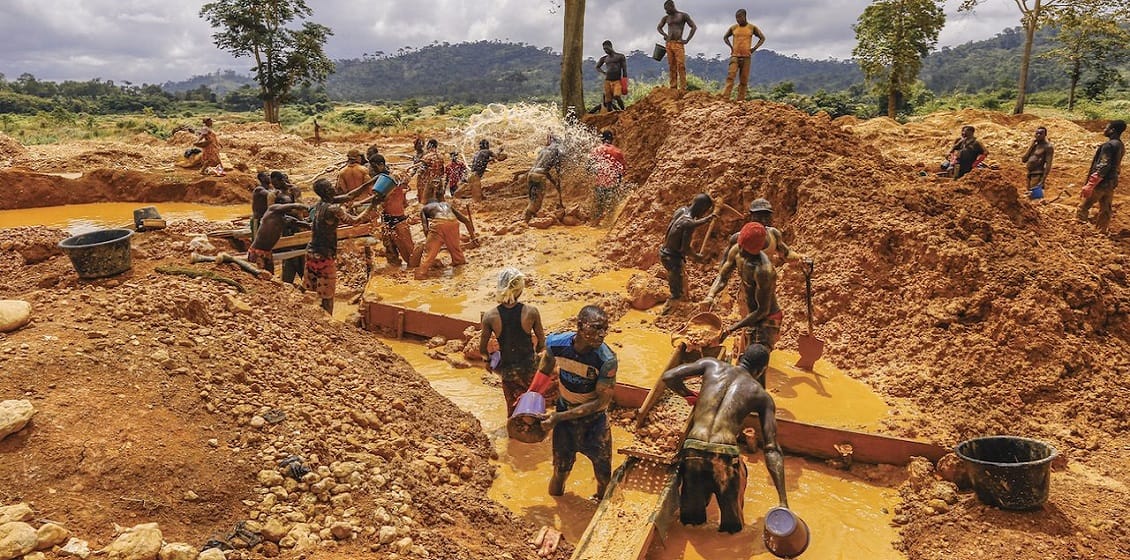
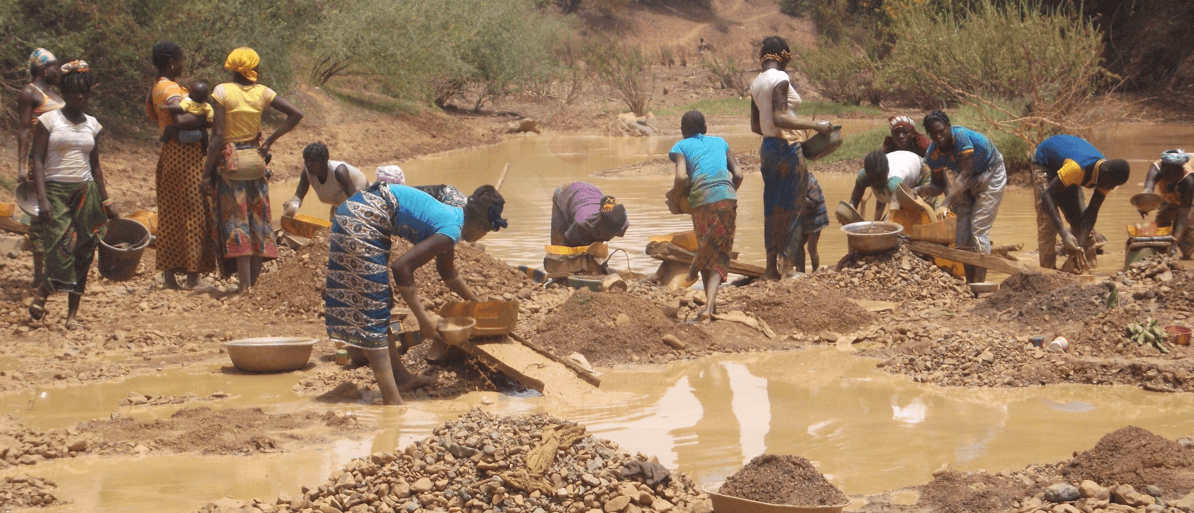
Galamsey refers to illegal small-scale gold mining, a practice that has become one of Ghana’s most devastating and politically charged environmental crises. For years, galamsey operators — often with the alleged support or protection of powerful interests — have ripped through farmlands, contaminated major water bodies including the Pra, Ankobra, and Birim rivers, and left communities without clean drinking water.
The Ghana Water Company Limited has repeatedly raised alarms about the declining quality of raw water available for treatment. Studies have linked galamsey-contaminated water to serious public health consequences, including exposure to mercury and other toxic chemicals. Environmental groups estimate the damage to rivers and farmlands runs into billions of cedis — and decades of ecological recovery time.
It is this crisis — long-festering and repeatedly unaddressed — that has driven civil society groups, youth activists, and ordinary citizens onto the streets in protest, time and again.
The Protest That Was Stopped
The latest planned demonstration — organised under the ‘Stop Galamsey’ banner — was scheduled for February 27, 2026, and was expected to coincide with the SONA proceedings. The timing was deliberate: activists wanted to send a clear message to the Mahama administration as the President addressed Parliament.
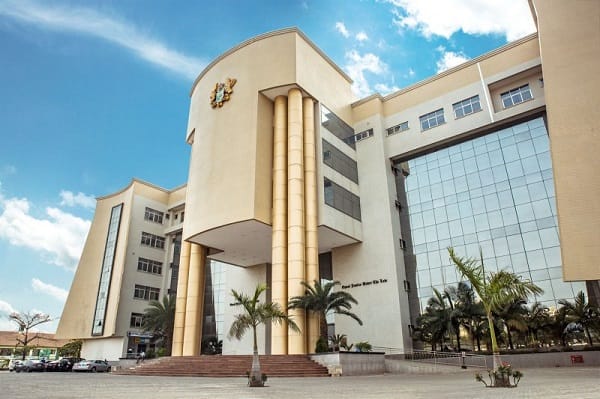
According to a press statement signed by Superintendent Juliana Obeng, Head of Public Affairs for the Accra Regional Police Command, the High Court had, on February 24, granted an Order for Prohibition restraining the protest conveners from proceeding. Police said the decision was taken in the interest of public order and safety — noting specifically that the protest coincided with the high-security SONA event.
Organisers, however, pushed back. According to reports from Adom Online, the conveners claimed they had not been formally served with the court order — a claim the police rejected, stating that due process had been followed.
A Pattern of Protest Bans — Is This Becoming Normal?
This is not the first time Ghanaian authorities have sought court orders to block anti-galamsey demonstrations. In September 2024, police obtained an injunction halting a three-day protest organised by Democracy Hub — leading to the arrest of 53 activists and sparking the viral hashtag #FreetheCitizens. The crackdown drew condemnation from Amnesty International and press freedom organisations across West Africa.
In April 2025, a similar pattern unfolded: police filed an application to stop a demonstration by the Generational Rights Protection Society (GRPS), led by media personalities Okatakyie Afrifa Mensah and Kwame Appiah Kubi. On that occasion, the Attorney-General stepped in — directing that the injunction application be withdrawn. The Deputy Attorney-General wrote publicly: “The right to demonstrate is protected by the Constitution. President John Mahama understands the true meaning of this right.”
That statement makes the February 2026 court ban all the more striking. It raises an uncomfortable question: has the government’s posture on protest rights shifted — or is the police acting independently? Neither the Attorney-General’s office nor the Presidency issued a statement on the latest ban as of time of publication.
The Free Speech Dimension
Ghana’s 1992 Constitution guarantees freedom of expression and the right to peaceful assembly under Article 21(1). Legal experts note that while the right to protest is not absolute, courts must weigh whether a restriction is necessary and proportionate. Critics argue that the timing of the court order — issued just three days before the planned march, on a day coinciding with a state event — suggests that convenience rather than constitutionality may have driven the decision.
For Ghanaians in the diaspora — many of whom follow events back home closely and have themselves joined galamsey protest calls on social media — the ban raises familiar anxieties about democratic backsliding. Even under the NDC administration, which campaigned on a platform of civic freedoms and environmental reform, the pattern of using court orders to silence demonstrators continues.
What Happens Next?
The Accra Regional Police Command stated it remains open to engaging the protest organisers on “a mutually convenient date for the demonstration, in accordance with the Public Order Act.” Whether that engagement materialises — and whether the conveners trust the process enough to participate — remains to be seen.
What is certain is that galamsey will not disappear from Ghana’s public discourse. The rivers are still brown. The farmlands are still ruined. And the people who depend on clean water for their survival are still waiting for decisive government action that matches the rhetoric of the SONA floor.
The protest may have been banned. The anger has not.