Ghana’s Free Primary Healthcare Launches in Days — No Card, No Queue, No Cost at CHPS Centres and Polyclinics
The most ambitious expansion of Ghana's primary healthcare system in a generation is days away from launch. President Mahama's government has allocated GH¢1.5 billion for a programme that will give every Ghanaian free access to preventive care, basic treatment, essential medicines and disease screening — regardless of insurance status.

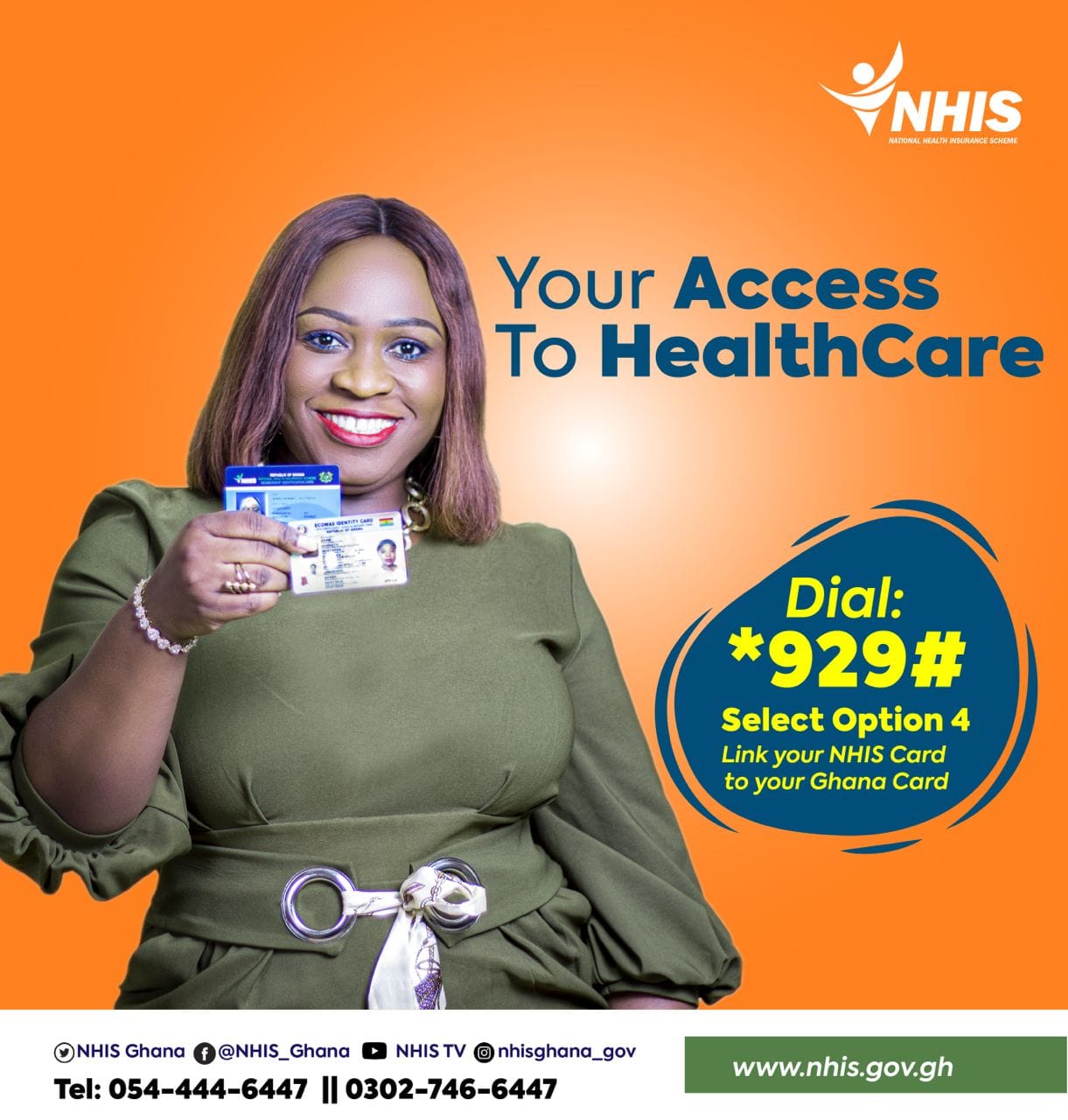
Ghana is days away from launching a healthcare initiative that has the potential to transform the daily lives of millions of citizens. The Free Primary Healthcare (FPHC) policy — backed by a GH¢1.5 billion allocation in the 2026 national budget — will give every Ghanaian access to essential primary health services at CHPS compounds, health centres, and polyclinics without requiring NHIS registration, insurance status, or upfront payment. The formal launch is expected in the first week of March 2026.
“Whether you have a card or not, once you are a Ghanaian, you can go to certain facilities and get a basic minimum healthcare package,” National Health Insurance Authority (NHIA) CEO Dr Victor Asare Bampoe said on JoyFM Super Morning on February 25. The initiative will be officially launched by President Mahama and Health Minister Kwabena Mintah Akandoh.
“Where the NHIA ends, Mahama Care begins. We want a seamless experience for Ghanaians — from free primary healthcare to NHIS to Mahama Cares for chronic diseases.” — NHIA CEO Dr Victor Asare Bampoe
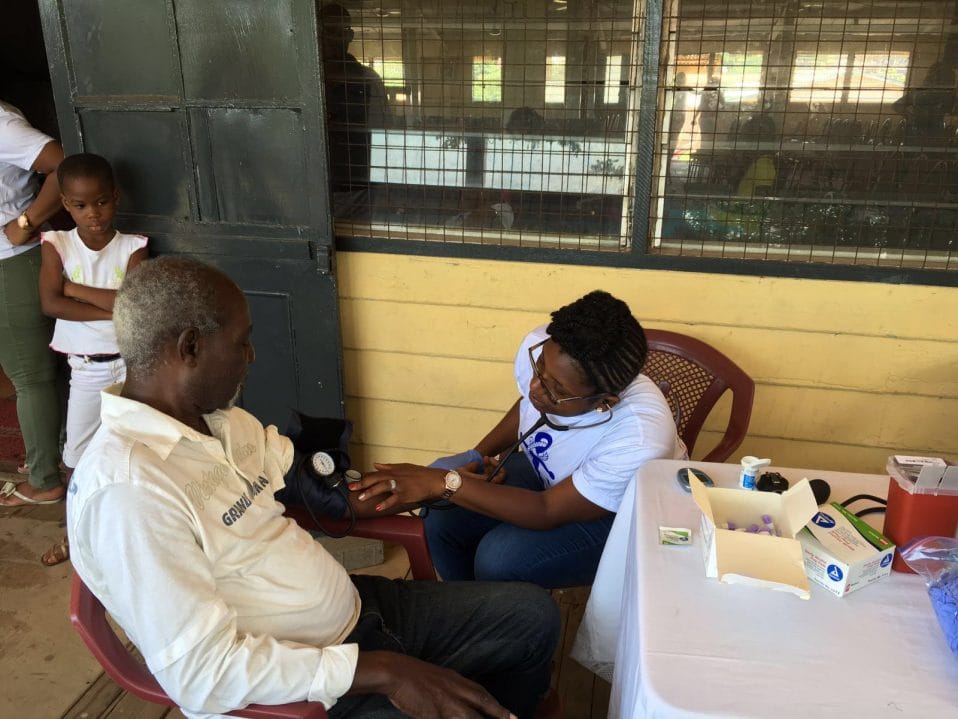
What the Package Covers
The FPHC benefits package includes preventive and promotive care, basic curative services, essential medicines, basic diagnostics, maternal and child health services, mental health care, and emergency stabilisation. The Ministry of Health has described it as a wellness-oriented initiative, emphasising early detection and prevention rather than purely reactive treatment.
A key delivery mechanism will be community health coordinators — trained workers who will go from house to house conducting basic checks including blood pressure and blood sugar tests, and referring at-risk individuals for further treatment. Community pharmacies will stock affordable generic medicines to enable early treatment before conditions worsen, particularly for hypertension, diabetes, and other non-communicable diseases whose rising prevalence President Mahama has repeatedly flagged as a national health emergency.
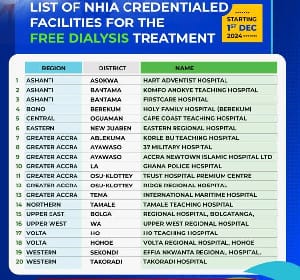
The Three-Tier System — FPHC, NHIS, and Mahama Cares
The FPHC is designed to work alongside, not replace, Ghana’s existing National Health Insurance Scheme (NHIS) and the newly operational Ghana Medical Trust Fund — popularly known as MahamaCares. The architecture is deliberately layered: free primary care at the base, NHIS coverage for general healthcare, and MahamaCares for patients with critical conditions including cancer, kidney disease, liver disease, and diabetes requiring specialist treatment. GH¢2.3 billion has been allocated to the MahamaCares fund.
“The NHIS has been stabilised, coverage has risen to 20 million people, and government will implement a 120 percent increase in NHIS tariffs next year to reflect realistic service costs,” Health Minister Akandoh told the Government Accountability Series, describing the 2026 health budget allocation of GH¢34 billion as the most health-centred budget in years.
The Scale of the Challenge
Ghana faces a growing burden of non-communicable diseases. Hypertension, stroke, kidney failure, diabetes, and certain cancers are increasingly prevalent — and frequently detected late because many Ghanaians have never had a routine blood pressure check. Free primary healthcare, targeted at prevention and early detection, addresses exactly this gap. If successfully implemented, the initiative could reduce the demand on secondary and tertiary care facilities that are chronically overburdened — including the hospital system that prompted calls for reform following recent reports of patients dying in corridors due to the no-bed syndrome.