Ghana Evacuates Tehran Embassy as US-Israeli Strikes Kill Khamenei — Thousands of Ghanaians in the Crossfire
Iran's Supreme Leader Ayatollah Ali Khamenei was killed in joint US-Israeli strikes on February 28, 2026. Ghana has activated emergency protocols across five Gulf states and begun evacuating its Tehran embassy. The escalating conflict threatens Ghana's economic gains as Brent crude surges and the Strait of Hormuz faces closure.

In the most significant escalation of Middle East hostilities in a generation, Iran’s Supreme Leader Ayatollah Ali Khamenei was killed on February 28, 2026, in joint United States and Israeli military strikes on his compound in downtown Tehran. Iranian state media confirmed his death hours after President Donald Trump announced it on Truth Social, calling Khamenei “one of the most evil people in History.” Iran declared 40 days of national mourning and vowed its “most intense offensive operation ever” in retaliation.
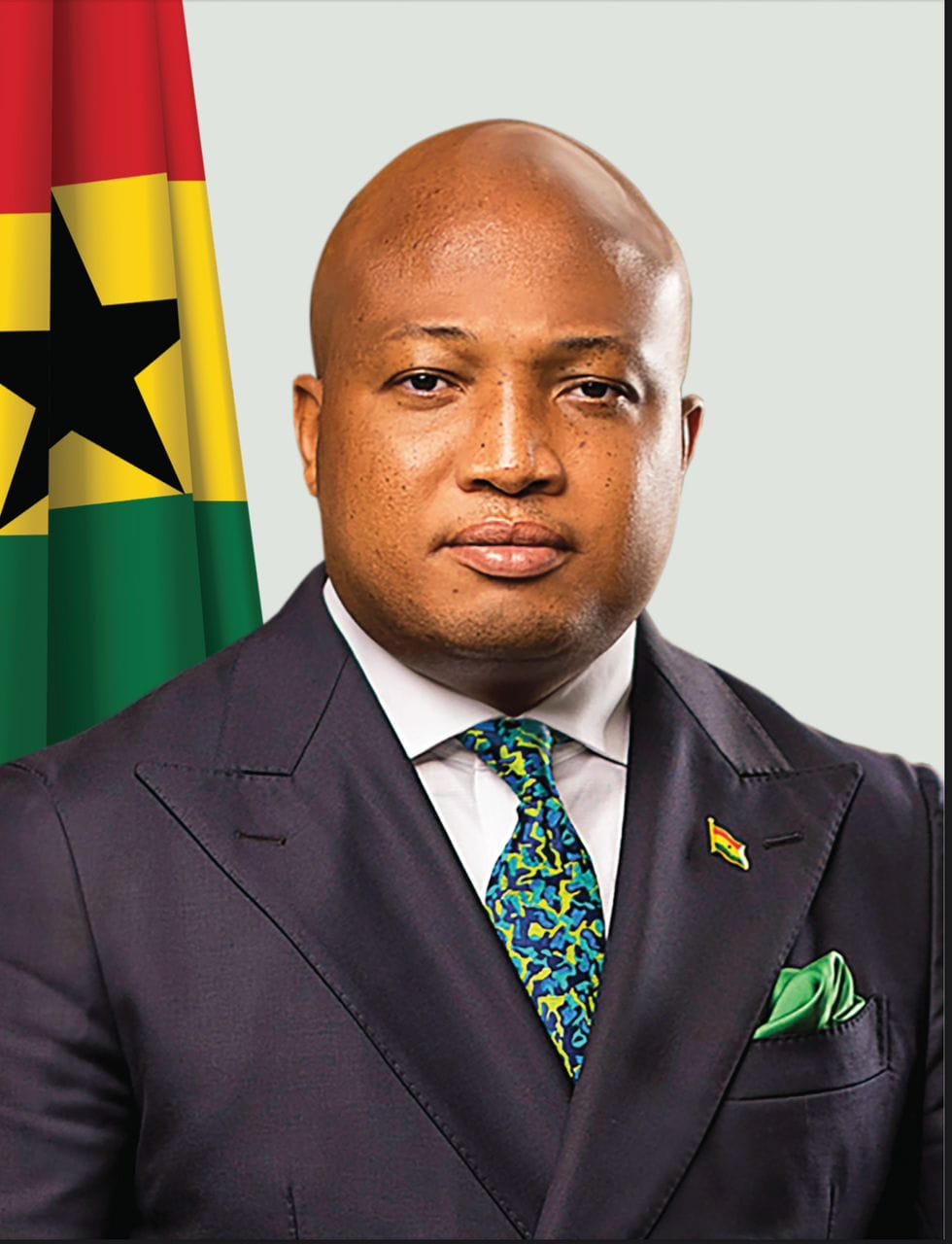
For Ghana, a country with a significant diaspora presence in the Gulf, the news triggered immediate diplomatic mobilisation. The Ministry of Foreign Affairs activated emergency preparedness plans and began a partial evacuation of the Ghanaian Embassy in Tehran — retaining essential personnel — while placing diplomatic missions in Qatar, the UAE, Bahrain, Kuwait, and Israel on full emergency alert.
What Happened on February 28
The US-Israeli operation, codenamed “Epic Fury” by the Pentagon, launched early Saturday morning Tehran time. CENTCOM described it as “the largest regional concentration of American military firepower in a generation,” employing precision munitions from air, land and sea alongside low-cost attack drones used in combat for the first time. The strikes targeted Iranian command centres, missile production sites, ballistic missile launchers, and air defence systems — including the compound where Khamenei was present.
Iran retaliated swiftly, launching hundreds of ballistic missiles and drones at 27 US military bases across the region — in Qatar, Kuwait, the UAE, and Bahrain — as well as targeting Israeli military infrastructure. Explosions were reported over Dubai, Doha, and Manama. Air defence systems in all four Gulf states reported successful intercepts, though residential damage was recorded in Abu Dhabi. One person of Asian nationality died from shrapnel in the UAE.
“Ghana is closely monitoring with serious concern the escalating hostilities in the Middle East. An emergency preparedness plan has been activated.” — Ministry of Foreign Affairs, February 28, 2026
Ghana’s Diplomatic Response
In a formal press release dated February 28, 2026, Ghana’s Ministry of Foreign Affairs outlined an emergency response framework. The government initiated the partial evacuation of staff from the Ghanaian Embassy in Tehran, retaining a skeleton crew to provide consular assistance to the estimated hundreds of Ghanaian nationals still in Iran — students, professionals, and residents.
Simultaneously, Ghana’s diplomatic missions in Qatar, the UAE, Bahrain, Kuwait, and Israel activated shelter-in-place directives, urging Ghanaian nationals to remain indoors, avoid large gatherings and military zones, keep travel documents accessible, and register with their nearest embassy or high commission. The ministry described it as “the most extensive simultaneous deployment of Ghana’s consular emergency machinery in the country’s diplomatic history.”
Ghana has been through this before. When hostilities escalated in June 2025, Foreign Affairs Minister Samuel Okudzeto Ablakwa personally coordinated the evacuation of Ghanaian diplomats, students, and professionals from Tehran via Turkey by June 20, 2025. That “Phase One” experience now serves as the blueprint for current operations. Emergency consular hotlines remain active: Ministry (+233 240 913 284 / +233 240 793 072) and the Ghana Embassy in Israel (+972 54 931 6007).
The Economic Threat to Ghana
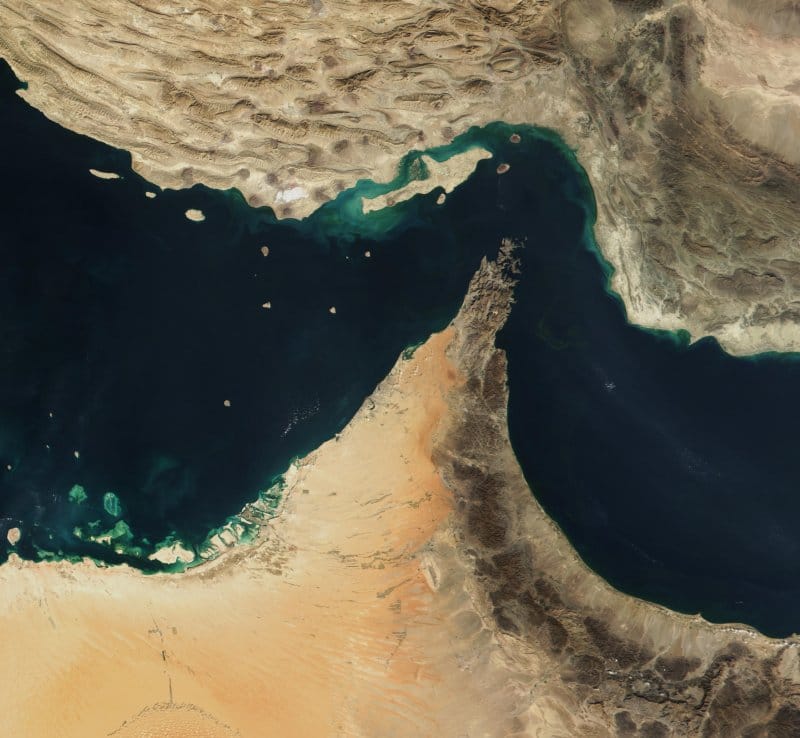
The conflict has immediate and potentially severe implications for Ghana’s hard-won economic recovery. Brent crude surged approximately 8% within hours of the strikes, reflecting market fears over the Strait of Hormuz — the world’s most critical oil chokepoint through which roughly 20 million barrels of oil and 20 percent of global LNG pass daily.
Iran has moved to restrict navigation through the strait, with the Iranian Revolutionary Guard issuing VHF radio warnings to vessels declaring transit banned. Several oil majors and trading houses have paused shipments. Analysts warn that if the closure persists, oil prices could spike to $100 per barrel or beyond — a scenario described by one energy economist as “a guaranteed global recession.”
For Ghana, which imports refined petroleum products and is still managing the aftermath of its 2022-2024 economic crisis, a sustained oil price shock would be deeply damaging. It would push up fuel costs, reignite inflationary pressure, weaken the cedi, and potentially derail the single-digit inflation trajectory that President Mahama highlighted just days earlier in his State of the Nation Address. Analysts warned in a MyJoyOnline commentary that “Middle East turmoil threatens to derail Ghana’s single-digit gains.”
Regional Context and Ghana’s Position
The killing of Khamenei follows a prior Israeli-US 12-day air campaign against Iran in June 2025 that had already tested Ghana’s diplomatic machinery. This second, far larger offensive appears aimed at regime change — with Trump publicly calling for Iranians to “take back” their country. Iran’s President Masoud Pezeshkian called the killing “an open declaration of war against Muslims.”
Ghana has called on all parties “to exercise restraint, de-escalate and return to diplomatic engagement in the interest of protecting lives, ensuring economic stability, and lasting regional peace.” The government has stressed its policy of non-interference while mobilising to protect its citizens.
As Ghana holds the vice-chairmanship of the African Union heading into its 2027 AU Presidency, the crisis offers Accra a potential platform for African diplomatic leadership in mediating an eventual ceasefire — echoing the role Minister Ablakwa played during his February 25–26 Kyiv visit, where he became the first African foreign minister granted access to a Ukrainian POW camp.
What Ghanaians in the Region Should Do
The Ministry has issued clear instructions for Ghanaians in all affected countries: remain indoors where possible; comply strictly with local authority directives; avoid large gatherings, military installations, and protest zones; keep mobile devices fully charged; inform family members of your whereabouts; and register immediately with the nearest Ghanaian diplomatic mission. Flight tracking data shows massive diversions across airspaces over Israel, Iran, Jordan, and several Gulf states, making emergency travel difficult.