Ghana Cocoa Debt Crisis 2026: Buyers Owe Banks Up to $750 Million in Liquidity Crunch
Ghana’s cocoa sector — the backbone of the nation’s agriculture and a major global supplier — is facing fresh liquidity pressure as licensed buyers owe local banks between $650 million and $750 million.

Accra, Ghana – February 26, 2026
The Licensed Cocoa Buyers Association of Ghana revealed the alarming debt figure yesterday, warning that two years of poor harvests, disease outbreaks, and a sharp global price collapse have left the supply chain starved of cash.
Samuel Adimado, President of the Association, said buyers have been forced to take bank loans to pre-finance purchases while waiting for Cocobod payments. “Interest keeps piling up,” he stated. Buyers also owe farmers an additional 2.2–2.5 billion cedis.
This season alone, 580,000 metric tons have been delivered to Cocobod, with another 70,000 tons still waiting in the fields.
Government Steps to Ease the Pressure
In response, the government slashed the fixed farmgate price this month and announced a new cocoa financing scheme to inject fresh funds. Cocobod is also working with authorities to stabilise its own finances after years of non-core spending.
Banks, still recovering from the 2023 Domestic Debt Exchange Programme, are restructuring some loans. Ghana Association of Banks CEO John Awuah confirmed the exposure but insisted there is “no immediate systemic threat” to the financial sector.
What This Means for Ghanaians
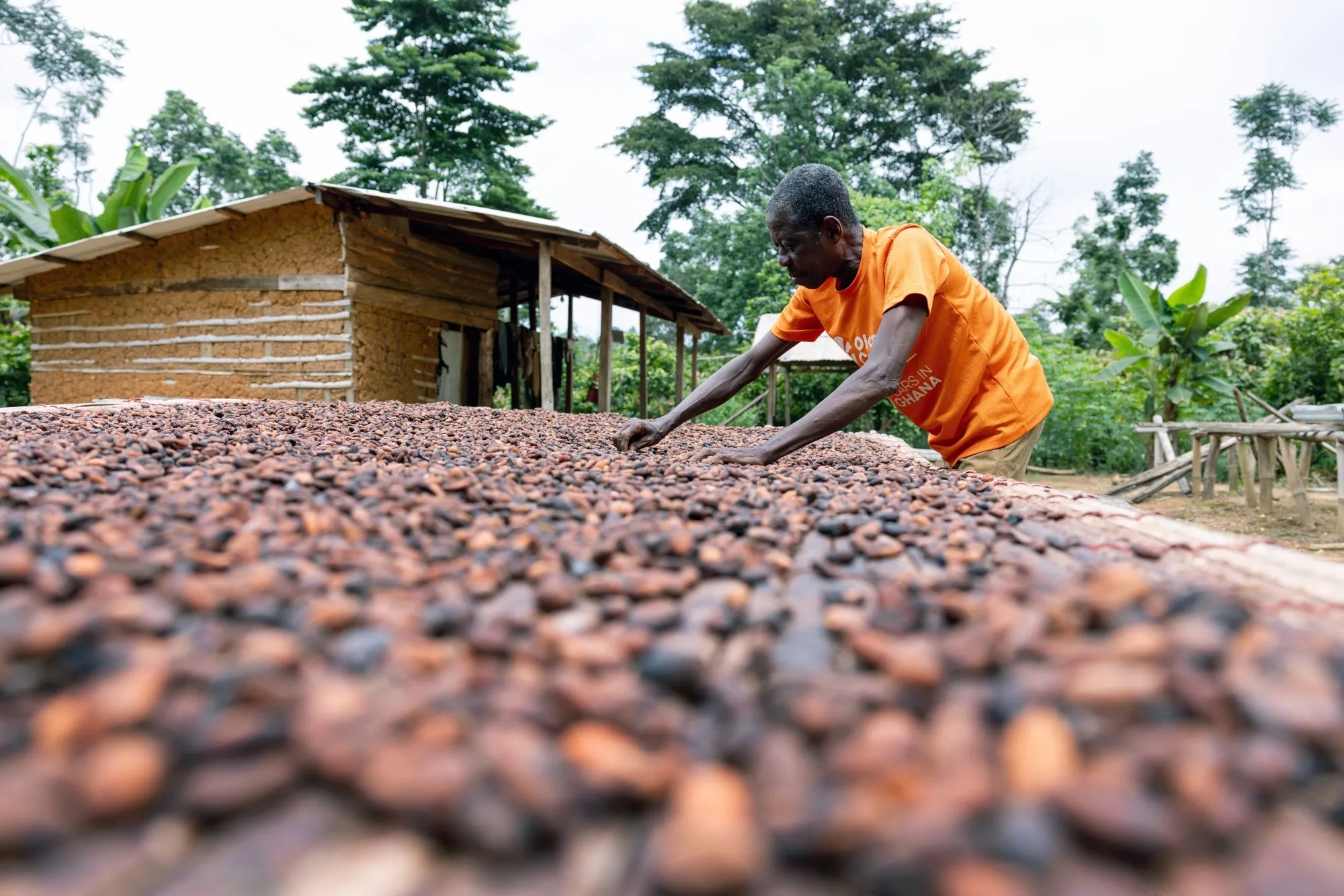
Cocoa employs hundreds of thousands of farmers across the country. Delayed payments and lower producer prices hit rural households hard, threatening livelihoods in the world’s second-largest cocoa-producing nation. The crisis comes as Ghana pushes for broader economic stability after its deepest crisis in a generation.
Why US Readers & Global Investors Should Watch Closely
The United States is one of the world’s top cocoa consumers. Any disruption in Ghana’s supply adds upward pressure on chocolate prices and creates opportunities (and risks) for US commodity traders, chocolate manufacturers, and impact investors in West African agribusiness.
With London cocoa futures already near a three-year low, this liquidity squeeze could ripple through global supply chains — while opening doors for diaspora remittances and US-Ghana private-sector partnerships in sustainable farming and financing.
Why US Readers & Global Investors Should Watch Closely
The United States is one of the world’s top cocoa consumers. Any disruption in Ghana’s supply adds upward pressure on chocolate prices and creates opportunities (and risks) for US commodity traders, chocolate manufacturers, and impact investors in West African agribusiness.
With London cocoa futures already near a three-year low, this liquidity squeeze could ripple through global supply chains — while opening doors for diaspora remittances and US-Ghana private-sector partnerships in sustainable farming and financing.
The government’s swift financing moves signal determination to protect this vital export. Whether the new scheme delivers quick cash will decide if Ghana’s cocoa sector turns the corner in 2026.