Ghana Cashless Economy 2026: 5 Critical Realities
Ghana cashless economy 2026 is accelerating — but who gets left behind? Explore 5 critical realities for traders, rural women, and small businesses.

Ghana’s Digital Payment Revolution Is Moving Fast — But Is Everyone On Board?
Ghana processed over GHS 1.2 trillion in mobile money transactions in 2024, according to the Bank of Ghana’s annual payment systems report — and that number is climbing sharply in 2026. The Ghana cashless economy 2026 agenda is no longer a distant policy dream; it is active, accelerating, and reshaping how money moves across the country.
But here is the uncomfortable question policymakers are not asking loudly enough: who gets left behind when cash disappears? This opinion piece examines both sides — the genuine promise of digital payments and the very real risks for those at the economic margins.
The Case For Going Cashless: Real Benefits Worth Acknowledging
Let us be fair. The push toward digital payments Ghana is not without merit. For small business owners in Accra, Kumasi, and Takoradi, mobile money has already transformed daily operations.
- Faster settlement of supplier payments without physical cash handling risks
- Easier access to micro-credit through fintech platforms like Zeepay and Fido
- Digital transaction records that make tax compliance and loan applications simpler
- Reduced theft and robbery risks for businesses holding large cash floats
For the government, a cashless system means better tax revenue tracking, reduced leakage in public sector payments, and a more transparent economy. The Ghana Revenue Authority has already linked mobile money data to its compliance systems — a move that, while controversial, reflects where policy is heading. You should also review your Ghana digital tax compliance guide for small businesses to stay ahead of these changes.
Opinion Ghana Fintech: The Hype Versus the Hard Truth
The opinion Ghana fintech conversation in 2026 is dominated by optimism — and understandably so. Ghana’s fintech sector has attracted significant foreign investment, and the Bank of Ghana’s regulatory sandbox has produced genuinely innovative products.
But innovation at the top of the pyramid does not automatically trickle down. Here is what the glossy investment decks do not show:
The Network Coverage Gap Is Still Real
According to the International Telecommunication Union (ITU), rural mobile internet penetration in Sub-Saharan Africa still lags urban areas by a significant margin. In Ghana’s Northern, Upper East, and Upper West regions, reliable mobile data connectivity remains inconsistent in 2026.
A cashless mandate without universal network coverage is not financial inclusion — it is financial exclusion with a modern label.
Smartphone Ownership Is Not Universal
Basic USSD mobile money works on feature phones, which is a genuine advantage Ghana has over many markets. But as fintech apps grow more sophisticated and USSD infrastructure faces pressure, those without smartphones face a shrinking menu of options.
Low-income mothers in peri-urban communities — who often manage household budgets in cash — are particularly vulnerable to this shift. Their financial behavior is rational and adaptive, not backward. Removing cash without providing accessible alternatives is a policy failure, not a technology success.
Market Traders: The Backbone Ghana’s Cashless Policy Cannot Ignore
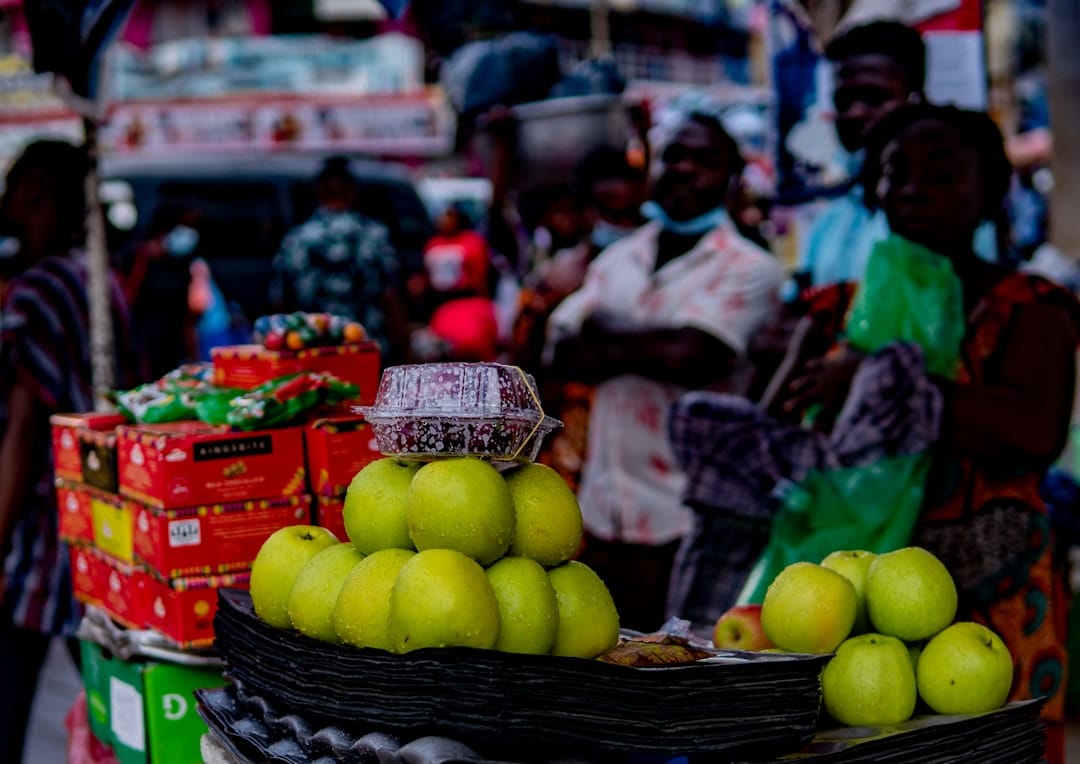
Walk through Makola Market in Accra or Kejetia in Kumasi and you will immediately understand the complexity. These traders operate in a Ghana mobile money policy grey zone — many accept MoMo payments, but cash remains king for speed, trust, and zero transaction friction.
The real concerns traders raise include:
- Transaction fees that erode already thin margins on low-value goods
- Agent liquidity problems — MoMo agents frequently run out of cash for withdrawals
- Network downtime during peak trading hours causing lost sales
- Digital literacy gaps among older traders who were never formally trained on these platforms
The Bank of Ghana has made commendable moves to reduce mobile money fees, but the policy conversation needs to go further. Subsidized transaction costs for micro-traders, dedicated agent banking expansion in markets, and mandatory uptime standards for telecom providers are not radical ideas — they are necessary ones.
5 Critical Realities Ghana’s Cashless Push Must Confront in 2026
1. Cybersecurity Risks Are Growing Faster Than Awareness
As the Ghana cashless economy 2026 expands, so does the attack surface for fraud. Mobile money fraud cases reported to the Ghana Police Service Cybercrime Unit have increased year-on-year. Most victims are first-time or low-literacy users who do not recognize SIM swap scams or social engineering tactics.
Financial literacy must be funded at the same level as fintech marketing. Learn more about protecting your business by reading our cybersecurity tips for small business owners in Ghana.
2. Interoperability Is Still Incomplete
Ghana’s Universal QR code and interoperability framework are steps in the right direction, per the Bank of Ghana’s official payment systems documentation. But real-world friction between MTN MoMo, Telecel Cash, and AirtelTigo Money persists at the agent and merchant level. Seamless interoperability is a prerequisite for a truly cashless system, not an optional upgrade.
3. The Elderly and Differently-Abled Are Largely Invisible in Policy
Ghana’s National Digital Economy Policy mentions inclusion broadly, but specific provisions for elderly citizens and people with disabilities navigating digital payment interfaces are thin. This is a gap that civil society organizations and lawyers advocating for rights-based approaches to fintech should be challenging actively.
4. Data Privacy Protections Need Strengthening
Every digital transaction generates data. Ghana’s Data Protection Act provides a framework, but enforcement capacity and consumer awareness remain limited. As digital payments Ghana scale, so does the commercial value of transaction data — and the risk that low-income users become the product, not the beneficiary.
5. Rural Women Are Carrying a Disproportionate Burden
Research from the GSMA Connected Women programme consistently shows that women in developing economies are significantly less likely to own mobile money accounts than men. In Ghana’s rural north, this gap is wider. A cashless policy that does not specifically address the gender digital divide will deepen existing inequalities, not reduce them.
What Good Policy Looks Like: Actionable Recommendations
This is not an argument against the Ghana cashless economy 2026 direction. It is an argument for doing it right. Here is what responsible implementation looks like:
- Mandate zero-fee transactions below GHS 100 for registered micro-businesses and individuals
- Expand agent banking density in rural districts with government co-investment
- Launch a national digital literacy programme specifically targeting market women, rural farmers, and the elderly
- Establish a dedicated fintech consumer protection ombudsman with real enforcement power
- Set legally binding network uptime standards for payment infrastructure
Civil servants, lawyers, and student advocates reading this have a role to play too. Push for these provisions in public consultations. Document cases where cashless mandates create hardship. The policy conversation needs more voices from the ground, not just the boardroom. You can also explore our guide to Ghana’s digital economy policy for citizens and advocates for deeper context.
Key Takeaways
- Ghana’s mobile money ecosystem is growing rapidly, but infrastructure gaps in rural areas remain a serious barrier to true inclusion.
- Market traders, low-income mothers, and elderly citizens face the highest risks from a rushed cashless transition.
- Transaction fees, network downtime, and digital literacy gaps are the three most immediate pain points requiring policy action.
- Cybersecurity threats and data privacy risks are escalating alongside digital payment adoption and need proportionate investment.
- Good cashless policy must be rights-based, gender-sensitive, and backed by enforceable infrastructure standards — not just fintech enthusiasm.
Conclusion
Ghana’s direction toward a cashless economy is correct in principle — but speed without equity is a policy failure in disguise. The question is not whether Ghana should go cashless, but whether Ghana is willing to invest in making sure everyone makes that journey, not just those already connected. Start by demanding better from your representatives, your banks, and your telecom providers — because the people who rely on cash the most are often the least able to advocate for themselves.
Frequently Asked Questions
Is Ghana’s cashless economy policy officially mandated in 2026?
Ghana does not have a legally mandated cashless-only policy in 2026. The Bank of Ghana and the government have a strong digital payment promotion agenda, but cash remains legal tender. However, various government payment channels — including salaries, social protection transfers, and tax payments — are increasingly being pushed through digital platforms.
How does mobile money fraud affect ordinary Ghanaians?
Mobile money fraud, including SIM swap attacks and social engineering scams, disproportionately affects first-time users and low-literacy individuals. Victims often lose money with limited recourse. The Ghana Police Cybercrime Unit handles complaints, but recovery rates are low. Prevention through digital literacy training is currently the most effective protection available.
What options do rural Ghanaians without smartphones have for digital payments?
USSD-based mobile money services work on basic feature phones without internet access, which is a key advantage of Ghana’s mobile money infrastructure. Services like MTN MoMo and Telecel Cash offer USSD menus accessible by dialing short codes. However, as services evolve toward app-based platforms, feature phone users may face increasing limitations.
How can small business owners in Ghana benefit from going cashless while managing the risks?
Small business owners should register formal mobile money merchant accounts to access lower transaction fees and build a digital transaction history useful for credit access. They should also maintain a small cash float for customers who cannot use digital payments, and invest in basic cybersecurity awareness to avoid fraud. Joining a local business association that advocates for fair fintech policy is also a practical step.
What is the gender gap in digital payments in Ghana and why does it matter?
Research from organizations like GSMA consistently documents that women — particularly in rural Ghana — are significantly less likely to own and actively use mobile money accounts compared to men. This gap matters because women often manage household and informal business finances. Excluding them from digital payment systems deepens poverty and limits economic empowerment. Targeted policy interventions, including subsidized devices and female-focused digital literacy programs, are needed to close this gap.