Ghana’s Foreign Minister Visits Ukrainian POW Camp in Historic First — ‘They Are Alive, Their Rights Are Being Respected’
In a diplomatic milestone described as unprecedented for an African foreign minister, Samuel Okudzeto Ablakwa gained rare access to a fortified prisoner of war facility in Ukraine, confirmed the welfare of two Ghanaian nationals, and began negotiations for their release.

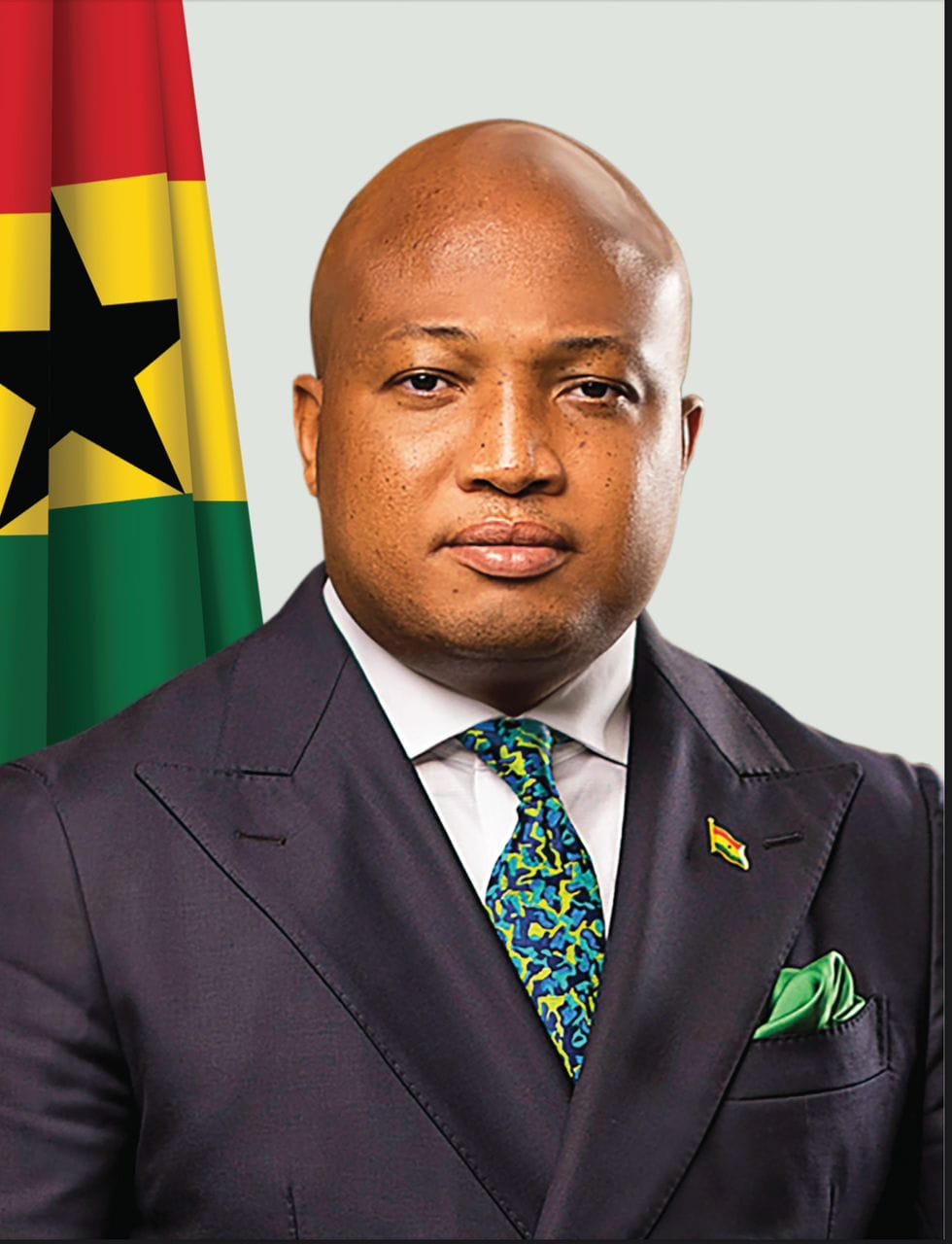
In a move described as unprecedented for a minister from any African country, Ghana’s Foreign Affairs Minister Samuel Okudzeto Ablakwa was granted rare access to a high-security prisoner of war detention facility in Ukraine on the night of February 25, 2026. There, he personally visited two Ghanaian nationals being held after being captured on the battlefield while reportedly fighting for Russian forces.
Ablakwa confirmed in a statement shared on social media that both Ghanaian citizens are alive and in good health. He expressed gratitude to Ukrainian President Volodymyr Zelenskyy and Foreign Minister Andrii Sybiha for approving his unprecedented request to visit the fortified camp.
“I can confirm that our citizens are alive and well. Their rights under international law have been commendably respected by Ukrainian authorities.” — Ablakwa, Feb 26, 2026
The Visit — What Happened in Kyiv
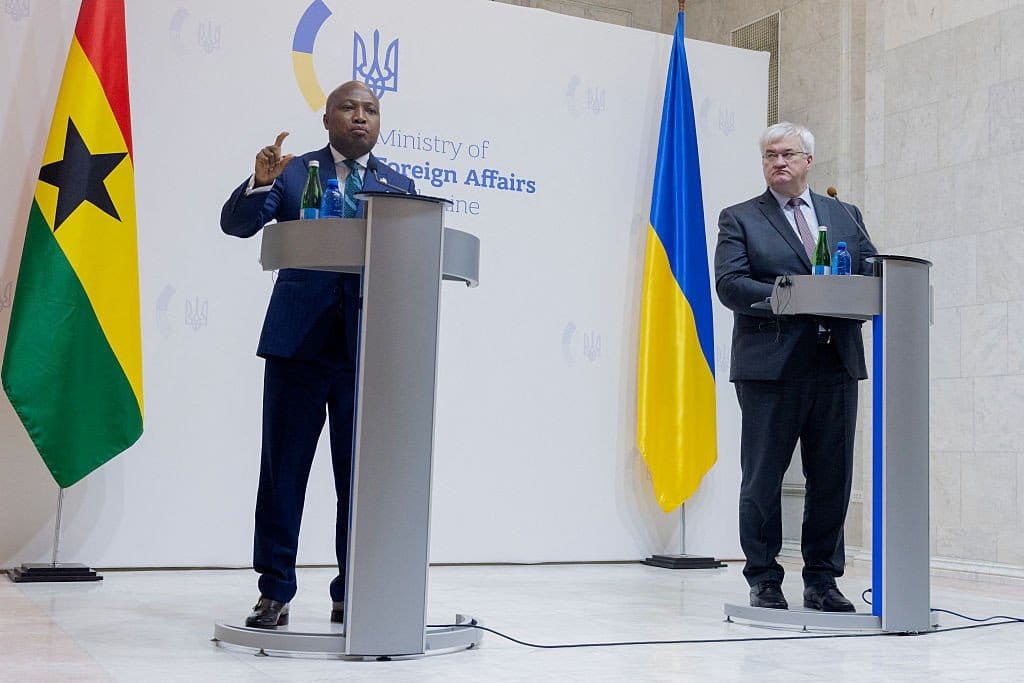
The visit came after Ablakwa held high-level talks with President Zelenskyy and Foreign Minister Sybiha in Kyiv on February 25, 2026 — the fourth anniversary of Russia’s invasion of Ukraine. At a joint press conference with Sybiha, the Ghanaian minister confirmed that Ghana’s appeal for the Ghanaians’ release was on humanitarian grounds, describing the two as victims of criminal trafficking networks.
“They are victims of manipulation, of disinformation, misinformation of criminal trafficking networks,” Ablakwa said at the press conference attended by AFP journalists. He said Ghana was “optimistic” that Zelenskyy would be “magnanimous and compassionate” in agreeing to release them.
The Graphic Online reported that when Ablakwa conveyed President Mahama’s message to the two detainees, the men responded with genuine remorse. “President Mahama says I should tell you that he has forgiven you,” Ablakwa told them, according to the report. He added that further paperwork was needed before a formal release could be arranged.
The Trafficking Angle — A Continent-Wide Problem
Ukraine’s foreign minister used the press conference to allege that Russia had recruited more than 1,780 citizens from 36 African countries to fight on the front lines — framing it as a deliberate strategy to supplement Russian manpower through deceptive recruitment. “The Russians are dragging Ghanaians to their deaths, while Ukraine offers cooperation for the sake of life,” Sybiha said.
Ghana’s case is not unique. South Africa has reported its own nationals being lured to Russia under similar circumstances, and several other African governments have raised alarms about the network of brokers and false employment agents recruiting young men with promises of high-paying work, only to place them in war zones. Ablakwa said Ghana would raise awareness about these trafficking networks during its upcoming presidency of the African Union in 2027.
The Two Ghanaians — Who Are They?
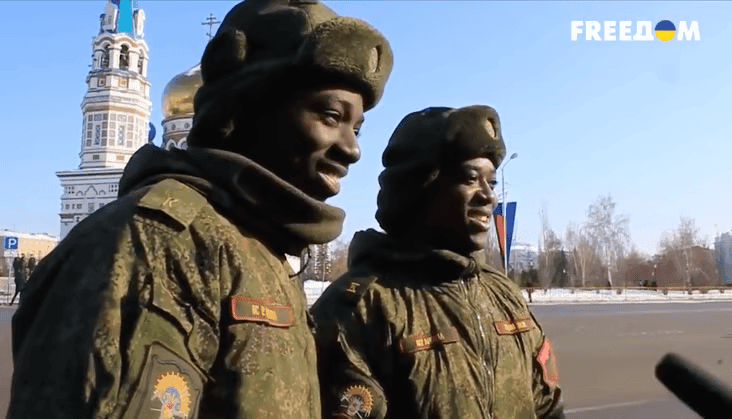
The identities of the two Ghanaian prisoners of war have been withheld for security reasons. Ablakwa confirmed that they were in good physical health and that their rights under international humanitarian law had been respected — meaning they had not been subjected to torture or inhumane treatment during their detention.
Both men reportedly expressed remorse for their involvement in the conflict and told the minister they were committed to becoming advocates against the trafficking networks that led them to Ukraine. “This significant gesture gives me more confidence that our negotiations for their release will be successful,” Ablakwa said.
Broader Bilateral Talks — Agriculture, Defence, Education
Beyond the prisoner negotiations, the Kyiv talks produced agreements to deepen bilateral cooperation between Ghana and Ukraine in agriculture, defence, education, and trade. President Zelenskyy also extended a formal invitation to President Mahama to visit Kyiv — a signal of Ukraine’s desire to strengthen diplomatic and economic ties with Ghana and, through Ghana’s AU presidency plans, with Africa more broadly.
What Comes Next
Ghana must now complete the diplomatic and legal paperwork required for a formal release. The process is expected to involve further engagement between Accra’s foreign ministry and Ukrainian authorities. Ablakwa expressed optimism but did not give a timeline, noting that the visit itself had broken important ground in building the trust needed for a positive outcome.