Africa Politics 2026: 5 Critical Elections Reshaping the Continent
Africa politics 2026 is reshaping trade and investment across the continent. Discover 5 critical elections and what they mean for your business and future.

In 2026, Africa politics is at a defining crossroads — with over a dozen elections scheduled across the continent, five stand out as genuinely transformative for trade, investment, and the daily lives of millions. Whether you are a small business owner in Accra, a student in Nairobi, or a civil servant in Lagos, these leadership changes will affect your economy, your currency, and your opportunities.
Why African Elections 2026 Matter More Than Ever
Africa is home to the world’s fastest-growing consumer market, with a population projected to reach 1.5 billion by 2030, according to the United Nations Population Division. Political stability — or instability — directly determines whether foreign direct investment flows in or dries up.
For Ghanaians especially, regional political shifts influence ECOWAS trade agreements, the cedi’s performance, and cross-border commerce. Understanding Africa leadership changes in 2026 is not just academic — it is practical business intelligence.
1. Nigeria: Post-Tinubu Midterm Pressure and 2027 Positioning
Nigeria’s political environment in 2026 is defined by intense midterm pressure on President Bola Tinubu’s administration as parties begin positioning for the 2027 general elections. The removal of fuel subsidies and naira devaluation policies introduced in 2023 continue to generate public debate and economic volatility.
What This Means for Business
Nigeria remains West Africa’s largest economy. Political uncertainty in Abuja ripples directly into ECOWAS trade dynamics, affecting Ghanaian exporters who rely on the Nigerian market. Industry analysts recommend monitoring the Nigerian Senate’s legislative calendar closely, as proposed tax reforms could reshape cross-border commerce.
2. Senegal: Faye’s New Government Tests Democratic Resilience
Senegal’s President Bassirou Diomaye Faye, elected in a historic 2024 victory, faces his first major governance test in 2026 as parliamentary dynamics shift and opposition consolidates. Faye’s reformist agenda — particularly around renegotiating natural resource contracts — is being closely watched by international investors.
Impact on Regional Investment Climate
Senegal’s offshore gas production, expected to ramp up significantly in 2026, makes its political stability critical for energy markets across West Africa. A stable Dakar means more regional energy security; political turbulence could delay projects that benefit neighboring states including Ghana.
Lawyers and civil society professionals should note that Faye’s government has signaled interest in revising public procurement laws — creating both compliance challenges and new contract opportunities.
3. Ethiopia: Abiy Ahmed Faces Electoral Legitimacy Questions
Ethiopia’s political landscape in 2026 remains one of the most complex on the continent. Prime Minister Abiy Ahmed’s government continues to navigate post-conflict reconstruction in Tigray while managing ethnic federalism tensions in Oromia and Amhara regions. International observers from the African Union have flagged concerns about inclusive governance ahead of the next electoral cycle.
Trade and Investment Implications
Ethiopia is a major hub for African manufacturing, hosting significant textile and garment industries. Political instability affects supply chains that connect to global markets. For African entrepreneurs and YouTubers covering business content, Ethiopia’s economic trajectory offers a compelling story about resilience and risk.
4. South Africa: GNU Governance Under Scrutiny
South Africa’s Government of National Unity (GNU), formed after the ANC lost its parliamentary majority in 2024, is being tested in 2026 as coalition tensions between the ANC, DA, and smaller parties intensify. Key policy disagreements around land reform, energy privatization, and social grants are creating legislative gridlock.
What Investors Are Watching
South Africa remains the continent’s most industrialized economy and a gateway for global capital entering Africa. The rand’s performance in 2026 is closely tied to GNU stability. According to the International Monetary Fund’s South Africa country page, structural reforms in energy and logistics are prerequisites for sustained growth.
For Ghanaian lawyers and professionals with South African business interests, understanding the GNU’s legislative output on investment protection is essential due diligence. You should also review your Africa investment risk assessment guide to stay ahead of regulatory changes.
5. Democratic Republic of Congo: Tshisekedi’s Second Term and Eastern Instability
President Félix Tshisekedi, re-elected in late 2023, is navigating his second term amid ongoing armed conflict in eastern DRC involving the M23 rebel group and complex regional dynamics involving Rwanda. In 2026, peace negotiations brokered by regional bodies are at a critical juncture.
Why the DRC Matters to All of Africa
The DRC holds an estimated 70% of the world’s cobalt reserves — a mineral critical to electric vehicle batteries and global tech supply chains. Political resolution in the east could unlock billions in responsible mining investment. Conversely, continued instability keeps a resource-rich nation economically marginalized.
Mothers, students, and everyday citizens across Africa are affected through commodity prices, humanitarian aid flows, and regional migration patterns. This is not a distant geopolitical story — it is an African story that connects to every household.
Ghana’s Position Within Africa’s Political Shifts
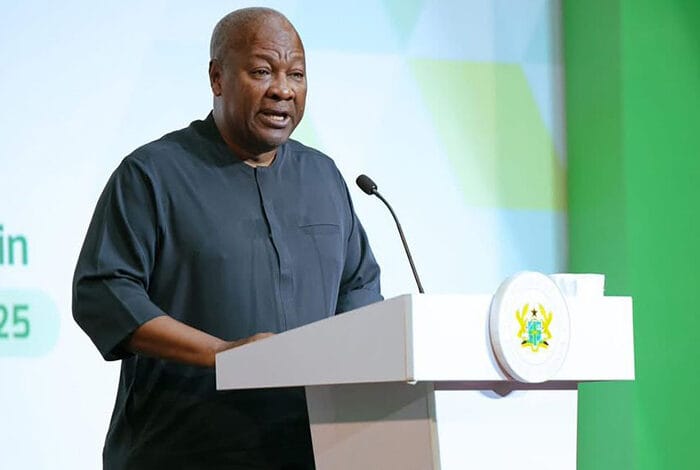
Ghana politics in the context of broader Africa news reflects a nation that has consistently punched above its weight in democratic governance. President John Mahama’s return to office in January 2025 positions Ghana as a stabilizing voice in ECOWAS, particularly as the bloc manages the fallout from military governments in Mali, Burkina Faso, and Niger.
For Ghanaian small business owners, the diplomatic posture of Accra directly influences trade corridor negotiations and bilateral investment treaties. Staying informed about Ghana trade policy updates 2026 is a practical step every entrepreneur should take.
How to Use Political Intelligence as a Business Tool
Political risk is a real cost of doing business in Africa — but it is manageable with the right information. Here is a practical framework:
- Monitor election calendars — Use the African Union’s official electoral calendar to anticipate market volatility windows.
- Diversify market exposure — Avoid over-reliance on any single country market that faces electoral uncertainty.
- Engage local legal counsel — Regulatory environments shift quickly after elections. Lawyers should advise clients to review contracts with force majeure and political risk clauses.
- Follow currency signals — Exchange rate movements often precede political developments by days or weeks.
- Build relationships across party lines — Sustainable business relationships in Africa survive government transitions when they are built on value, not political patronage.
For civil workers and government employees, understanding African Union policy frameworks 2026 can help you anticipate how continental decisions translate into national policy changes at home.
Key Takeaways
- Five major political transitions in Nigeria, Senegal, Ethiopia, South Africa, and DRC are reshaping Africa’s investment and trade landscape in 2026.
- Ghana’s democratic stability positions it as a regional anchor in ECOWAS amid broader political turbulence.
- Political risk is manageable — small business owners should diversify markets, monitor election calendars, and engage legal counsel proactively.
- The DRC’s cobalt resources and South Africa’s GNU stability have global supply chain implications that affect African businesses at every level.
- Africa politics 2026 is not just news — it is actionable business intelligence for entrepreneurs, lawyers, students, and professionals across the continent.
Frequently Asked Questions
How do African elections in 2026 affect small businesses in Ghana?
Elections in major economies like Nigeria and South Africa influence ECOWAS trade flows, currency exchange rates, and investor confidence across the region. Ghanaian businesses that export goods or source materials regionally will feel these effects through price changes, border delays, or new trade policies. Staying informed and diversifying supply chains is the most practical response.
Which African country presents the biggest investment risk in 2026?
The Democratic Republic of Congo and Ethiopia present the most complex risk profiles due to active conflicts and governance challenges. However, risk does not mean absence of opportunity — sectors like mining, agriculture, and telecoms continue to attract investment with proper risk mitigation strategies. Industry experts generally recommend working with local partners who have deep contextual knowledge.
What is the African Continental Free Trade Area and why does it matter politically?
The African Continental Free Trade Area (AfCFTA) is a continent-wide trade agreement designed to create a single market for goods and services across 54 African nations. Political instability in member states can disrupt implementation, delay tariff reductions, and create regulatory uncertainty. For businesses, AfCFTA represents long-term opportunity but requires political stability to deliver on its promise.
How can I follow Africa politics news reliably in 2026?
Reliable sources include the African Union’s official communications, established outlets like AllAfrica.com, and international reporting from the BBC Africa desk. For business-specific political intelligence, platforms like Oxford Analytica and regional chambers of commerce provide structured risk briefings. Cross-referencing multiple sources is always best practice when making business decisions based on political news.
Does Ghana’s political stability give it a competitive advantage in attracting investment?
Yes — Ghana’s consistent record of peaceful democratic transitions is widely cited by investors as a key differentiator in West Africa. President Mahama’s administration in 2026 has the opportunity to leverage this reputation to attract manufacturing, technology, and services investment that might otherwise go to less stable markets. Maintaining rule of law and transparent governance remains the foundation of this advantage.