Ghana’s 70% 5G Target by 2027: Ambitious Leap or Unrealistic Deadline?

Accra, Ghana – February 26, 2026
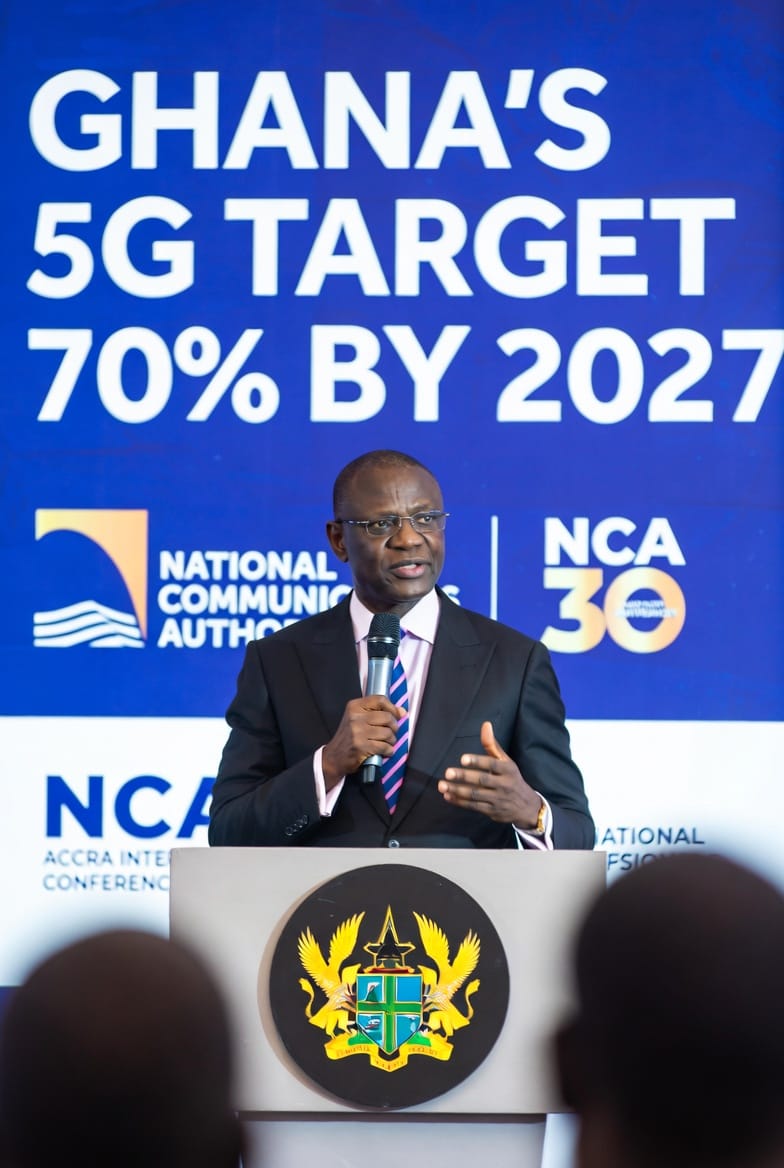
When Communications Minister Samuel Nartey George stood at the NCA’s 30th anniversary event and declared Ghana’s goal of 70% 5G population coverage by March 2027—exactly on the nation’s 70th Independence Day—it felt like classic political symbolism. Tie a bold tech milestone to national pride. Who wouldn’t cheer for that?
But strip away the rhetoric, and the timeline raises serious questions. One year to jump from near-zero nationwide 5G to covering seven out of ten Ghanaians? Even with the welcomed end to exclusivity and the planned spectrum auction, the math is tight. Infrastructure doesn’t appear overnight. Towers need land, permits, power (often unreliable outside cities), fiber backhaul, and massive capital—none of which scale instantly.
The dual model—wholesale sharing plus operator-led builds—sounds smart on paper. Sharing cuts costs and speeds things up. Yet history shows Ghana’s telecom sector has battled slow rural rollout, spectrum delays, and forex pressures that scare off investors. Achieving 70% population density (not just urban hotspots) in 12 months would require near-perfect execution from NCA, telcos like MTN and Vodafone, and new entrants. Any hiccup—regulatory lag, community resistance, or funding shortfalls—and the target slips into symbolic failure.
Don’t get me wrong: the ambition is refreshing. After years of cautious pilots and exclusivity deals that stifled competition, opening the market could finally unleash real progress. Cheaper data, faster mobile money, telemedicine in remote areas, smart agriculture—these aren’t luxuries; they’re necessities for Ghana’s youth bulge and growing digital economy. If pulled off, it positions Ghana ahead of many African peers and attracts diaspora and foreign investment.
For the US audience, especially the Ghanaian community stateside, this matters too. Better connectivity strengthens remittances, family video calls, and business links. It could even tie into broader US-Africa tech partnerships under initiatives like Prosper Africa. But investors won’t pour in if the promise feels like hot air.
The real test isn’t the announcement—it’s delivery. Minister George is right to set a high bar, but success will come from transparent milestones, not just the 2027 deadline. Track tower deployments quarterly. Publish coverage maps. Show funding flows. If the government treats this as a serious national project rather than a birthday slogan, Ghana could surprise the skeptics.
If not, we’ll have another flashy target that quietly fades.