Ghana Independence 2026: 6 Essential Truths at 69
Ghana independence 2026: 69 years on, are we truly free? Explore Nkrumah's legacy, economic sovereignty & what 6th March means for every Ghanaian.

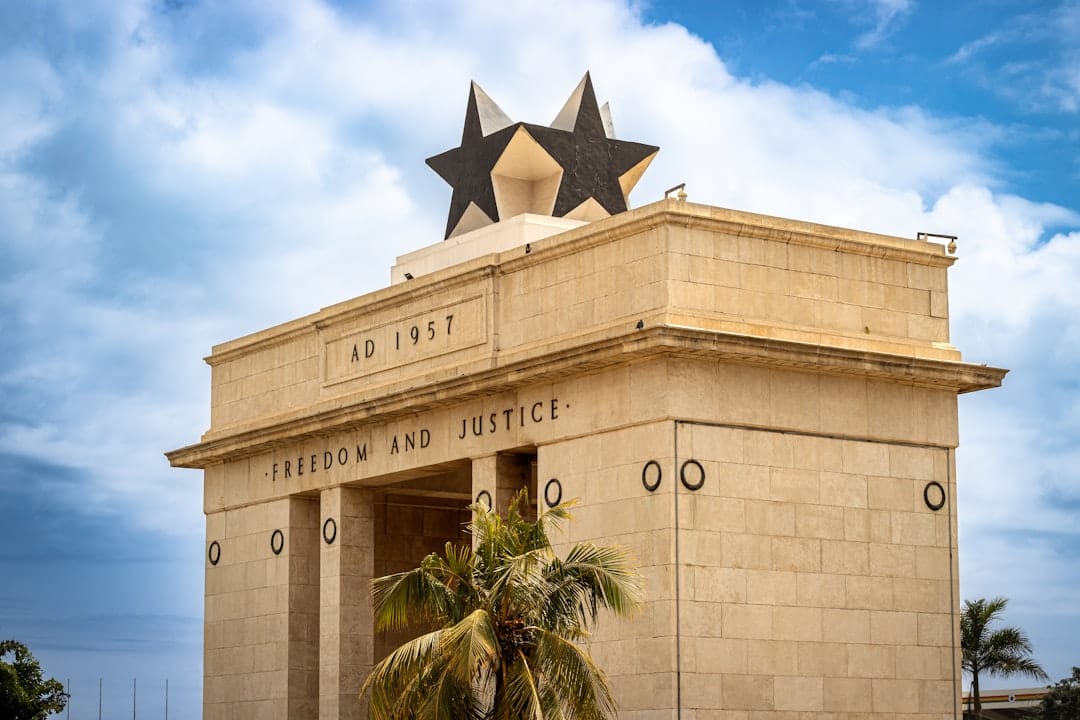
On 6th March 2026, Ghana marks 69 years of independence — but are we truly free? This opinion piece examines what Ghana’s independence really means in 2026 for small business owners, civil workers, students, and everyday Ghanaians carrying Nkrumah’s dream forward.
Ghana Independence 2026: A Moment for Honest Reflection
Independence Day is often met with flags, speeches, and marching bands. But beneath the celebration lies a question that every Ghanaian must sit with honestly: What does Ghana’s freedom actually mean in 2026?
Sixty-nine years ago, Kwame Nkrumah stood at the Old Polo Grounds in Accra and declared, “Ghana, your beloved country is free forever.” The crowd roared. The world watched. And a continent dared to hope.
Today, that hope deserves a frank audit.
The Kwame Nkrumah Legacy: Dream vs. Reality
Kwame Nkrumah’s legacy was built on three pillars: political sovereignty, economic self-determination, and Pan-African unity. In 2026, how do we measure up against each?
Political Sovereignty: Progress With Asterisks
Ghana’s democratic record is genuinely admirable. We have conducted peaceful elections, transferred power across party lines, and maintained a functioning judiciary — achievements that many nations, including some in Africa, still struggle with.
Yet political sovereignty is not only about elections. It is also about whether our policies are truly made in Accra or quietly negotiated in Washington, Brussels, or Beijing. Industry observers note that IMF programme conditions, which Ghana has operated under multiple times, often shape domestic fiscal decisions more than Parliament does.
That is not freedom — that is managed sovereignty.
Economic Freedom: The Small Business Owner’s Reality
For Ghana’s small business owners — the seamstress in Kumasi, the trader at Makola, the tech startup founder in Accra’s Cantonments — economic freedom is not an abstract concept. It is the cost of a business loan, the reliability of electricity, and whether local goods can compete with cheap imports.
In practice, many Ghanaian entrepreneurs still face lending rates that make formal credit nearly inaccessible, erratic power supply that increases operational costs, and a tax compliance burden that disproportionately affects small and medium enterprises.
According to the World Bank’s Ghana Country Overview, structural economic challenges including debt servicing, currency depreciation, and inflation have consistently squeezed household purchasing power. These are not new problems — but 69 years in, they demand new urgency.
The Civil Worker’s Burden
Ghana’s civil workers — teachers, nurses, police officers, local government staff — are the backbone of this republic. Yet they consistently report delayed salaries, inadequate equipment, and a sense that their sacrifices are taken for granted.
A teacher in a rural district school in the Northern Region is delivering Ghana’s future with chalk, a blackboard, and personal resilience. That teacher’s working conditions are a direct reflection of how seriously we take our own independence.
You can also explore how civil service reforms are affecting Ghanaian workers in 2026 for a deeper look at policy impacts.
Ghana Sovereignty and the Debt Question
Ghana’s sovereignty in 2026 cannot be discussed without addressing the debt restructuring process that dominated headlines from 2023 onward. Ghana’s Domestic Debt Exchange Programme (DDEP) and subsequent negotiations with external creditors were painful, affecting pension funds, individual bondholders, and institutional investors.
Nkrumah warned explicitly about neo-colonialism — the control of a nation’s economy by external forces even after formal independence. Reading his 1965 book Neo-Colonialism: The Last Stage of Imperialism in 2026 feels less like history and more like current affairs.
The path to genuine economic sovereignty runs through domestic resource mobilisation, industrialisation, and reducing import dependency — goals that remain works in progress.
What Ghana Freedom 2026 Should Actually Mean
Here is what Ghana freedom in 2026 should mean — not as a slogan, but as a lived standard:
- A child in Tamale has the same quality of education as a child in East Legon.
- A small business owner in Takoradi can access a GHS 50,000 loan at a rate that does not destroy their margins.
- A nurse in Brong-Ahafo receives her salary on the 25th of every month without fail.
- A Ghanaian manufacturer can sell their product competitively against imports, supported by smart trade policy.
- A young Ghanaian graduate sees a future worth building here, not a visa queue worth joining.
- Ghana’s foreign policy reflects Ghanaian values and interests, not donor preferences.
These are not utopian demands. They are the minimum deliverables of 69 years of nationhood.
The Role of Every Ghanaian on 6th March 2026
Independence is not a gift that was given once in 1957 and requires no maintenance. It is a daily practice. And in 2026, every Ghanaian has a role to play.
For Students and Young Ghanaians
Learn your history — not just the triumphant parts, but the complicated ones too. Understand the Kwame Nkrumah legacy in full: his vision, his achievements, his contradictions, and the lessons embedded in all of it. According to the African Union’s Pan-Africanism framework, youth engagement is central to the continent’s self-determination agenda.
You should also read Ghanaian youth entrepreneurship opportunities in 2026 to understand how young people are building the economy from the ground up.
For Mothers and Families
The values of integrity, hard work, and civic responsibility are taught at home first. A Ghana that raises children who refuse to pay or accept bribes, who demand accountability from leaders, and who take pride in local products is a Ghana building real freedom from the ground up.
For Business Owners and Entrepreneurs
Your business decisions are political acts. Formalise your business, pay your taxes, hire locally, and advocate loudly for policies that support the private sector. The Ghana Trade Commission provides resources that can help small businesses navigate export opportunities and local market protections.
Also explore how to grow a small business in Ghana using digital tools in 2026 for practical strategies.
Opinion: Are We Truly Free?
My honest answer: partially. Ghana has achieved freedoms that deserve genuine celebration — democratic governance, freedom of expression, a vibrant civil society, and a cultural identity that commands global respect.
But the Ghana independence meaning that Nkrumah intended — full economic self-determination, freedom from external economic control, and a united, prosperous African bloc — remains unfinished business.
That is not a reason for despair. It is a mandate for action.
The 69th independence anniversary is not just a birthday. It is a performance review. And the question is not only what our leaders have done — but what we, as citizens, are prepared to demand and to do.
Key Takeaways
- Ghana’s 69th independence on 6th March 2026 is an opportunity for honest national reflection, not just celebration.
- Kwame Nkrumah’s vision of full economic and political sovereignty remains only partially fulfilled in 2026.
- Small business owners, civil workers, students, and families all have active roles in building real freedom.
- Economic sovereignty requires reducing debt dependency, supporting local industry, and demanding policy transparency.
- Ghana’s democratic achievements are real and worth protecting — but democracy alone is not the full definition of freedom.
- Every Ghanaian’s daily choices — what to buy, how to vote, what to teach children — are acts of independence.
Frequently Asked Questions
What is the significance of Ghana’s independence on 6th March 2026?
6th March 2026 marks Ghana’s 69th independence anniversary, commemorating the moment in 1957 when Ghana became the first sub-Saharan African country to gain independence from colonial rule. In 2026, it serves as both a celebration of democratic and cultural achievements and a moment to critically assess economic sovereignty, governance quality, and the fulfilment of Nkrumah’s Pan-African vision.
What was Kwame Nkrumah’s vision for Ghana’s independence?
Kwame Nkrumah envisioned not just political freedom from British colonial rule, but full economic self-determination, industrialisation, and Pan-African unity. He believed that African nations could only be truly free when they controlled their own economies and acted collectively as a continent. His legacy in 2026 is both an inspiration and an unfinished agenda.
How does Ghana’s debt situation affect its sovereignty in 2026?
Ghana’s debt restructuring process, which began in earnest in 2022-2023, placed significant portions of economic policy under IMF programme conditions. While necessary for fiscal stabilisation, this arrangement means that key budget decisions are influenced by external creditors. Experts generally recommend that long-term sovereignty requires building stronger domestic revenue systems and reducing reliance on external borrowing.
What can small business owners in Ghana do to support economic independence?
Small business owners can support Ghana’s economic independence by sourcing locally produced inputs, formalising their businesses and paying taxes, advocating for better lending conditions, and using digital platforms to access both local and export markets. Each of these actions strengthens the domestic economy and reduces dependency on imported goods and foreign capital.
Is Ghana considered a free and democratic country in 2026?
By most international democratic indicators, Ghana remains one of Africa’s most stable democracies, with a track record of peaceful electoral transitions and a functioning judiciary. However, freedom in the full sense — including economic freedom, equitable access to public services, and genuine policy sovereignty — remains an ongoing work in progress that requires active citizen engagement to achieve.