Ghana Marks 69th Independence Day on March 6: Jubilee House Parade and Global Diaspora Celebrations
Ghana turns 69 on Friday, March 6, as the nation prepares for a national parade at Jubilee House, the seat of government, while Ghanaians across London, New York, Toronto, Berlin, and Accra gear up for one of the most symbolically charged celebrations in the country's post-independence history.

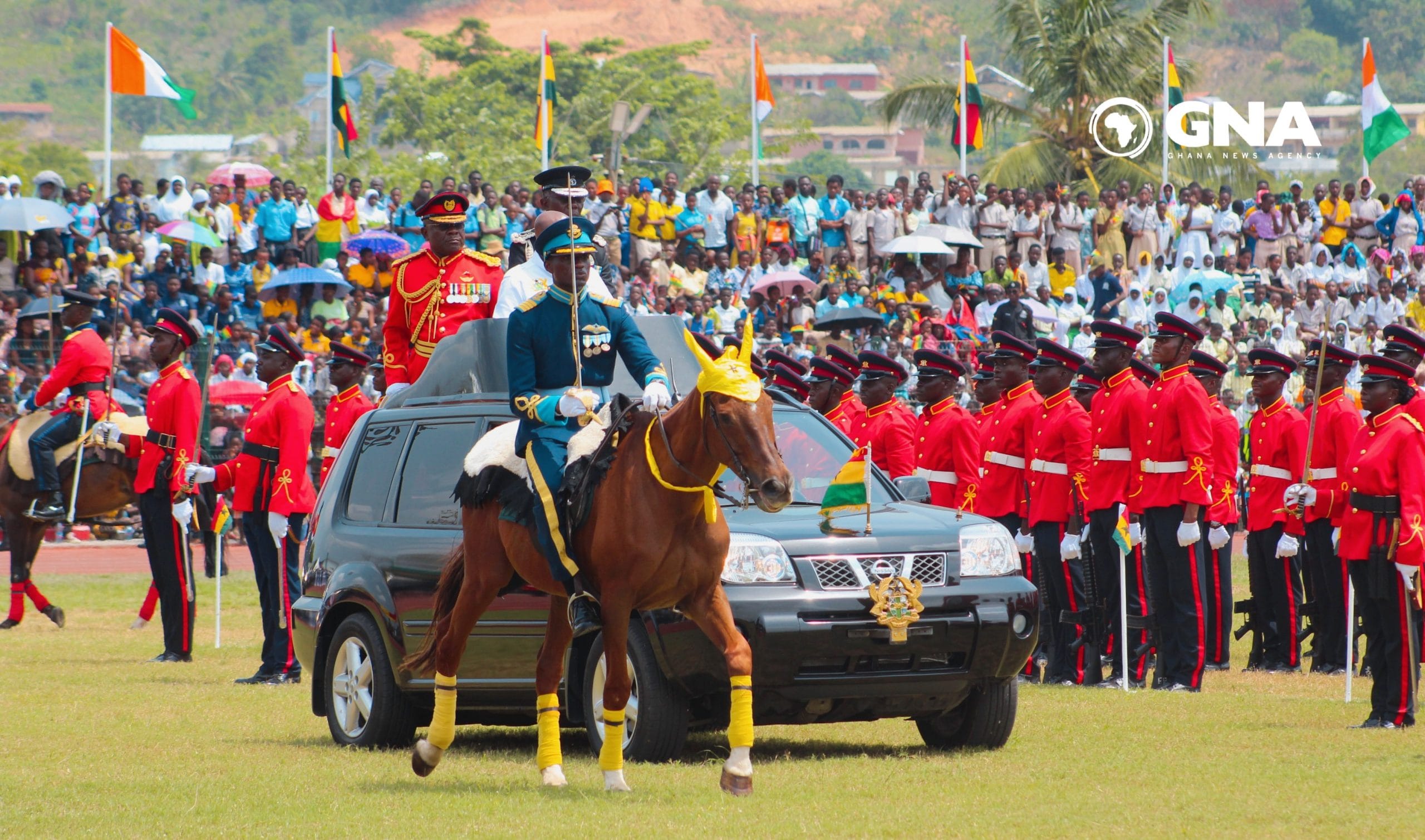
Jubilee House to Host Parade for Second Straight Year
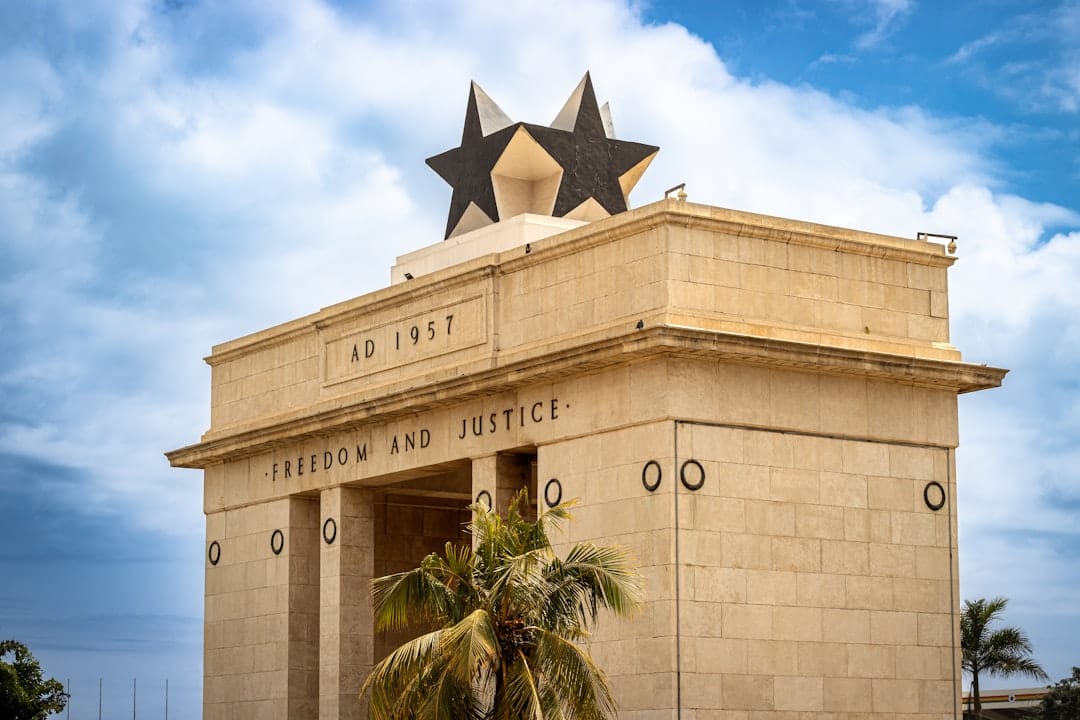
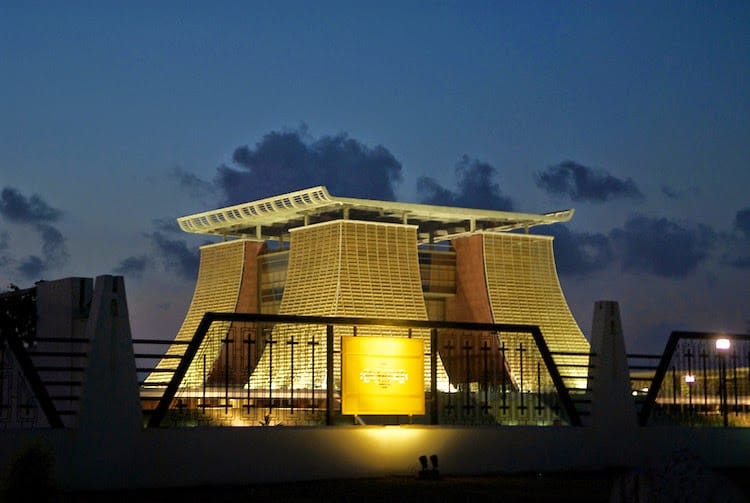
The Information Services Department announced in a notice dated February 24, 2026, signed by Acting Director Dr Winnifred N. Mahama, that the national Independence Day parade will be held at the forecourt of Jubilee House on March 6, 2026. This marks the second consecutive year the national parade will take place at the seat of government rather than at the traditional venue, Independence Square — also known as Black Star Square.
The shift was first introduced in 2025, adopted as part of efforts to reduce public expenditure on state ceremonies. Government figures indicated the 2025 celebration cost approximately GH¢1.5 million at Jubilee House, compared to an estimated GH¢15 million had it been organised at Black Star Square. President Mahama appears to be maintaining the same approach in 2026, reinforcing his administration’s messaging around fiscal discipline.
President Mahama is expected to inspect a guard of honour and deliver a national address marking the occasion. The event will feature military contingents, police forces, and school children in the traditional “March Past” — a living tribute to the unity and patriotism that has defined Independence Day celebrations since 1957.
“At long last, the battle has ended! And thus, Ghana, your beloved country is free forever!”
— Kwame Nkrumah, March 6, 1957 — Independence Declaration
From Gold Coast to Ghana: A 69-Year Journey
On March 6, 1957, at the Old Polo Grounds in Accra, Prime Minister Kwame Nkrumah declared Ghana’s independence from British colonial rule — making the newly named nation the first country in sub-Saharan Africa to achieve independence. The Gold Coast, as it was known under British administration, took its new name from the ancient West African empire that once dominated the region, with “Ghana” meaning “strong warrior” or “war chief.”
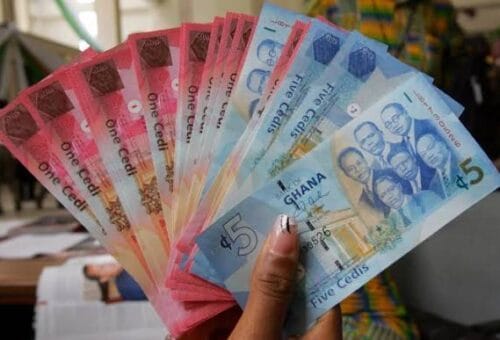
The 69th anniversary arrives at a particularly resonant moment. Ghana has navigated a severe economic crisis over the past four years, but President Mahama’s 2026 State of the Nation Address delivered on February 27 painted a picture of a nation stabilising and rebounding — with inflation falling to 3.8 percent, the cedi having appreciated significantly, and GDP projected to reach $113 billion.
The national flag — designed by Theodosia Okoh with horizontal bands of red (for the blood of independence fighters), gold (for mineral wealth), and green (for forests), centred by the Black Star — will fly prominently at Jubilee House and across all sixteen regional capitals, where simultaneous parades and civic programmes are expected.
Diaspora Marks the Day on a Global Stage
For the Ghanaian diaspora across the UK, United States, Canada, and Germany, March 6 carries a weight that transcends geography. Community groups in cities including London, New York, Washington D.C., Toronto, and Hamburg are hosting cultural evenings, jollof cook-offs, traditional dances, and educational programmes on the independence movement.
In London, the celebrations will carry an added dimension: Ghanaian rap icon Sarkodie has timed his landmark Rapperholic UK concert at the Royal Albert Hall to coincide with Ghana’s Independence Day. The sold-out show at one of the world’s most prestigious concert venues marks the first time the iconic Rapperholic series has been staged outside Ghana, drawing massive attention from the Ghanaian diaspora across Europe.
In Beijing, the Ghanaian Embassy is hosting a series of events on March 6 to mark Ghana’s 69th Independence Anniversary, including an art exhibition featuring creative works by Ghanaian artists and a business forum. Ghana’s Ambassador to China, H.E. Kojo Bonsu, has emphasised the moment as an opportunity to deepen Ghana-China economic ties.
A Nation at a Crossroads, Eyes Forward
As Ghana turns 69, observers note the country stands at a genuinely consequential juncture — one where the gains of economic stabilisation remain fragile, where new challenges such as rising global oil prices linked to Strait of Hormuz disruptions threaten fuel price relief, and where structural questions about agricultural self-sufficiency, youth unemployment, and the transition to a 24-hour economy demand urgent answers.
Yet the mood ahead of Independence Day is cautiously optimistic. The “Resetting Ghana” agenda has delivered measurable macroeconomic improvements. Internationally, Ghana’s voice on the African Union and at the United Nations — including a planned March 2026 resolution recognising the Transatlantic Slave Trade as a crime against humanity — is being heard with renewed credibility.
Independence Day 2026 falls on a Friday, giving Ghanaians a long weekend of reflection, celebration, and national pride. The hashtag #GhanaAt69 is expected to trend globally, as millions of Ghanaians, from Accra to the diaspora, raise their flags and look ahead to what year 70 — and the road to the centenary — might bring.