Ghana Breaks Up Its 5G Monopoly — Spectrum Auction Opens as Government Targets 70% Coverage by Independence Day 2027
In a sweeping policy reversal, Ghana's Communications Minister has announced the end of Next-Gen Infrastructure Company's exclusive hold on 5G spectrum, opening the market to competitive bidding. The NCA has been given barely 12 months to deliver 70% population coverage by March 6, 2027 — Ghana's 70th Independence Day.

The Policy Shift: From Monopoly to Open Market
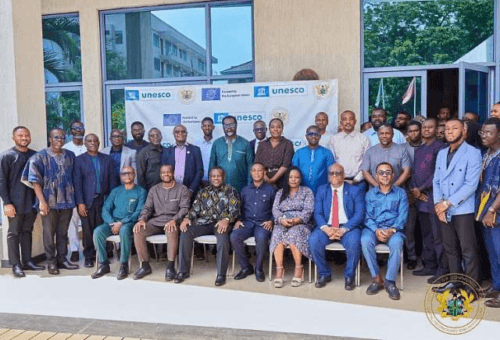
Speaking at the National Communications Authority’s 30th Anniversary celebration in Accra on February 25, 2026, Communications Minister Samuel Nartey George delivered one of the most significant shifts in Ghana’s telecommunications policy in years. Cabinet has approved the removal of the exclusivity mandate currently held by Next-Gen Infrastructure Company (NGIC) — the sole licensed neutral infrastructure provider for Ghana’s 4G and 5G shared network — and will open spectrum to a national competitive bidding process.
“The decision has been taken to remove the current exclusivity mandate and offer spectrum resources to the market through a national competitive bidding process,” George stated, directing the NCA to commence preparations for an auction “within days,” with the event expected in the coming weeks. The policy maintains the hybrid model: NGIC’s wholesale arrangement continues in parallel, but telcos will now also be permitted to bid for their own spectrum allocations.
“Our vision is to achieve 70% of 5G population density coverage by the 70th independence celebration of our nation, next year. The work is cut out for the regulator.” — Samuel Nartey George, Minister of Communications, February 25, 2026
Why the Monopoly Model Stalled
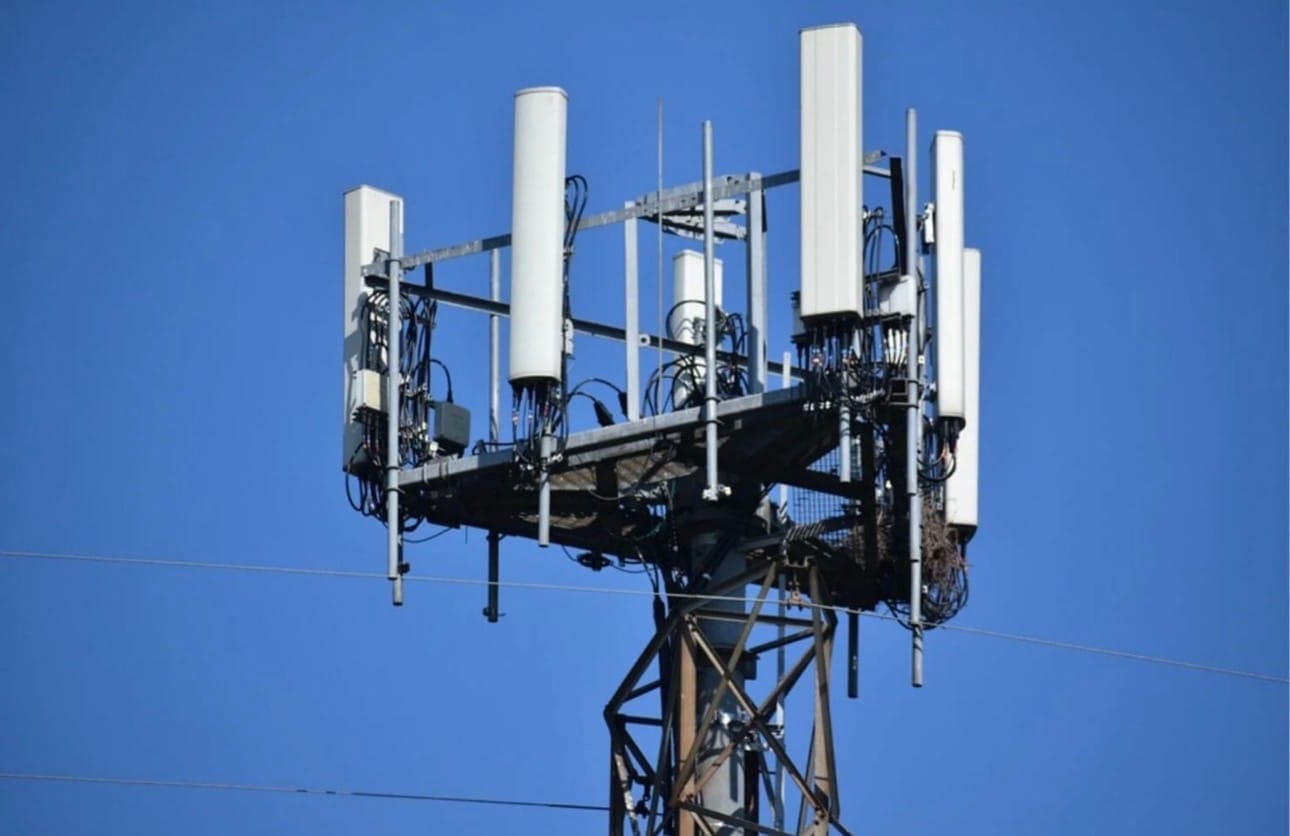
Ghana’s 5G story has been a saga of missed deadlines. NGIC was awarded exclusive 5G rights under a shared neutral network model that was intended to lower infrastructure costs and speed up deployment by having a single operator build towers that all telcos could lease. In practice, the model proved slower than anticipated. By mid-2025, only 16 of 350 planned 4G/5G sites were operational — far short of the 50-tower commitment for Accra and Kumasi alone that had been the initial target.
Technical challenges cited by industry insiders included delays in obtaining “connecting entity” licenses for operators, MTN’s non-participation in the shared model, spectrum interference issues, and limited capital for site construction. Minister George had already extended NGIC’s rollout deadline to Q4 2025, warning of an NCA review of its 10-year exclusivity license. That review has now materialised — and the government’s conclusion is that competition, not exclusivity, will deliver 5G at the speed Ghana needs.
The 70% Target: Steep but Strategic
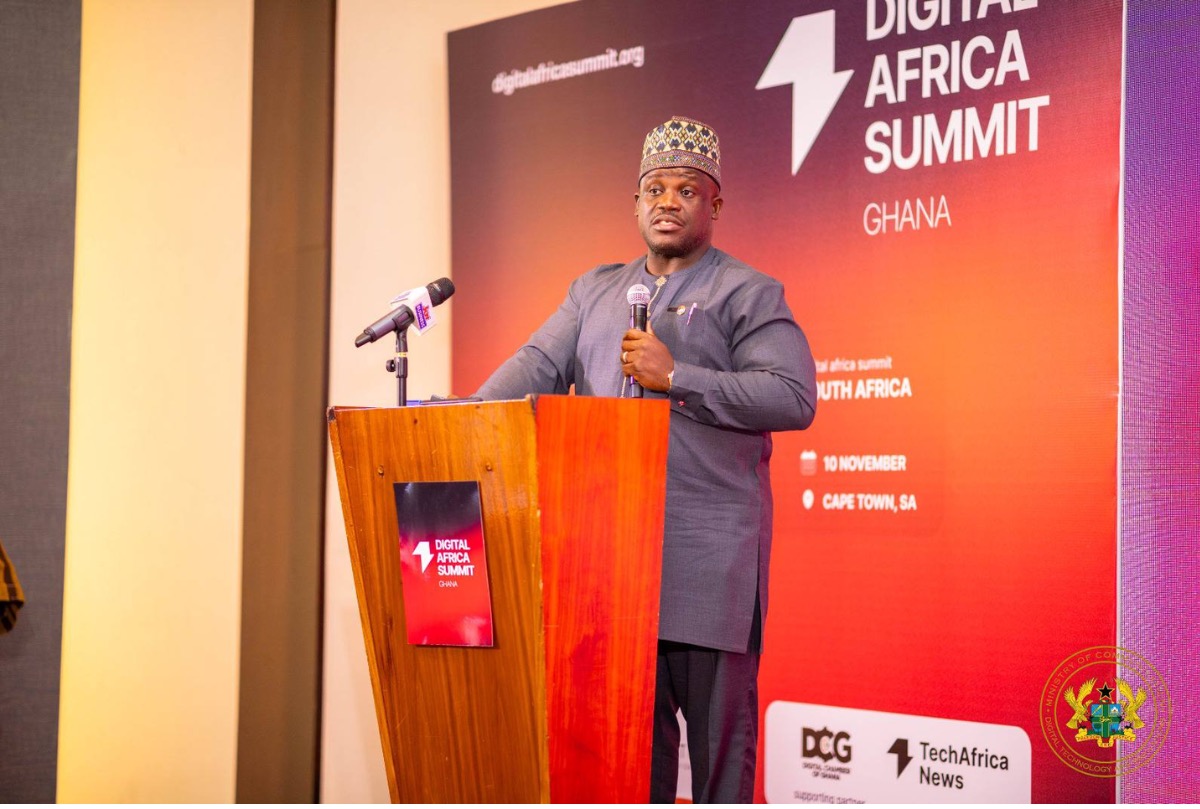
The 70% population coverage goal by March 6, 2027 is deliberately symbolic. That date marks Ghana’s 70th Independence Day — and the government has framed the target as a statement of digital sovereignty alongside political independence. “It is a steep aspiration,” the Minister acknowledged, “but I am more than confident in the resilience and abilities of the fine men and women who run the NCA, and I trust them to deliver.”
Meeting that target requires rolling out 5G at a pace that has eluded Ghana for three years. The competitive auction model, combined with the retained NGIC wholesale option, means network-led telcos who win their own spectrum can deploy simultaneously with NGIC rather than waiting for a single provider. If MTN — which commands over 70% of Ghana’s mobile market and has 19.9 million active data subscribers — enters the auction and deploys independently, the coverage trajectory could shift dramatically. The company invested GH¢6.4 billion in capital expenditure in 2025 alone.
15 New Digital Bills in the Pipeline
The 5G announcement was not the only major news from the NCA anniversary. Minister George revealed that approximately 15 new and revised bills are being prepared to modernise Ghana’s entire digital legal framework. The legislative package covers digital governance, cybersecurity, data protection, and emerging technologies — a recognition that Ghana’s current regulatory architecture, largely built in the early 2000s, is ill-suited to the AI and blockchain era now underway.
The NCA itself is celebrating 30 years of existence in 2026 — a milestone the Minister used to frame an ambitious vision: “If the past 30 years were about building access, then the next 30 must be about building digital power. The power to innovate, compete globally, and shape our own technological destiny.” The authority will also host an African Telecommunications Union conference and an International Telecommunication Union event in 2026, positioning Accra as a continental hub for digital policy dialogue.
What This Means for Ghanaian Consumers and Businesses
For everyday Ghanaians, competitive 5G deployment promises faster data speeds, lower latency for mobile services, and potentially reduced data costs over time as network capacity expands. For businesses — especially in fintech, agritech, health tech, and the creative economy — 5G is the backbone of technologies including real-time video, IoT sensors, AI-powered services, and augmented reality applications.
The diaspora community in the UK, US, Canada, and Germany will also be watching. Faster, more reliable mobile internet in Ghana directly improves the quality of video calls, remote work, and digital commerce that connects the diaspora to home. Investors in Ghanaian tech startups have long cited connectivity infrastructure as a key risk factor — and a credible 5G roadmap reduces that risk profile meaningfully.
The immediate question is whether the NCA can organise a credible, transparent spectrum auction within weeks, price spectrum attractively enough to attract meaningful bids (a past 2015 auction failed when reserve prices were set too high), and then enforce deployment obligations to ensure the auction translates into on-the-ground coverage. History suggests caution — but the political will at the top is clearer than it has been in years.