Parliament Passes Ghana’s Gold-Backed Reserve Plan — Three Years to Build a GH¢ Fortress Against Future Economic Shocks
In a unanimous endorsement of Finance Minister Ato Forson's flagship economic security policy, Parliament has approved GANRAP — a gold-anchored, three-year plan to amass reserves equivalent to 15 months of imports, breaking Ghana's cycle of crisis and IMF dependence.

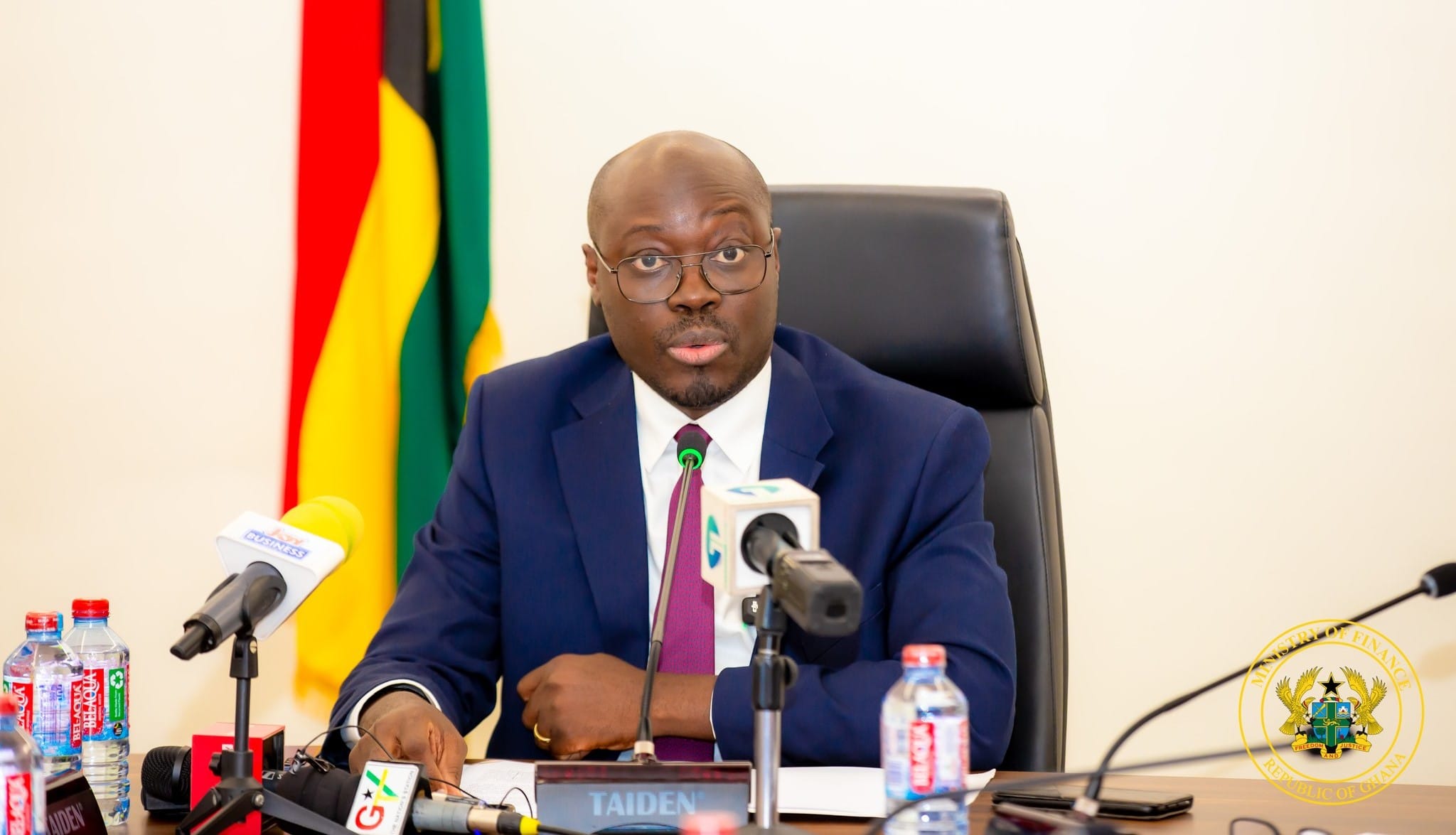
Ghana’s Parliament has passed the Ghana Accelerated National Reserve Accumulation Policy — known by its acronym GANRAP — the country’s first dedicated framework for deliberately building up international foreign exchange reserves as a strategic long-term objective, not merely a byproduct of monthly inflows. The passage, announced by Finance Minister Dr Cassiel Ato Forson on February 26, 2026, was immediately described as a turning point in how Ghana manages its external financial position.
The policy sets a clear and time-bound target: raise Ghana’s international reserves to the equivalent of 15 months of import cover by the end of 2028. As of end-2025, Ghana’s reserves stood at US$13.8 billion — equivalent to 5.7 months of import cover, already above the conventional three-month adequacy benchmark, but far short of the buffer Forson described as necessary to shield Ghana from the kind of external shocks that triggered the 2022 debt crisis and the subsequent IMF bailout.
“We are building an economic war chest. We are not planning for the next budget cycle — we are planning for the next generation.” — Finance Minister Dr Cassiel Ato Forson, Parliament, February 25, 2026

Gold as the Engine
At the heart of GANRAP is a gold-backed reserve accumulation strategy anchored in the Ghana Gold Board Act, 2025 (Act 1140). The government has set a weekly gold purchase target of approximately 3.02 tonnes — achieved through acquiring at least 2.45 tonnes from the artisanal and small-scale mining (ASM) sector, and invoking pre-emption rights to secure a minimum of 0.57 tonnes weekly from large-scale mining operations. Gold acquired under this framework will be refined and added to Ghana’s physical reserves, and may only be sold with prior approval of both Cabinet and Parliament — a significant institutional safeguard against ad-hoc liquidation.
The rationale for a gold-first approach is compelling in the Ghanaian context. In 2025 alone, the Ghana Gold Board generated approximately US$10 billion in foreign exchange at a cost of US$214 million. Had the same amount been raised through Eurobond borrowing at a typical yield of 8 percent, the annual interest bill would have been approximately US$800 million. The cost efficiency of gold-backed accumulation versus debt-financed reserve building is stark — and it is precisely the kind of argument that framing Ghana’s reserves as a national security asset rather than a financial accounting line.

The Roadmap — 8.6 Months by Year-End, 15 Months by 2028
GANRAP sets intermediate milestones. Reserves are projected to reach 8.6 months of import cover by the end of 2026, rising to 11.8 months by end-2027, and reaching the 15-month target by end-2028. The total reserve accumulation required is approximately US$9.5 billion per year on average — an ambitious but arguably achievable target given the Gold Board’s 2025 performance.
Beyond gold, the policy integrates structural reforms aimed at expanding foreign exchange inflows. These include scaling up non-traditional exports such as cashew and shea, rehabilitating cocoa farms, accelerating new oil field development including the Pecan field, and strengthening remittance mobilisation through digital financial systems. A Gas-to-Power Transformation Policy is also included, designed to reduce energy-related foreign exchange outflows currently estimated at US$3 billion per year.
Why It Matters — Breaking the Crisis Cycle
Forson told Parliament that between 2017 and 2024, Ghana relied on a costly combination of Eurobonds, currency swaps, and sale-and-buy-back transactions to build reserves — an approach that ultimately contributed to the 2022 debt distress when external financing became unavailable and the IMF had to be called in for the 17th time in Ghana’s history. GANRAP is explicitly designed to make that scenario structurally impossible by building a genuine buffer in advance, not scrambling to build one during a crisis.