Ghana’s Former Finance Minister Ken Ofori-Atta Now Faces US Extradition — DOJ Confirms Papers Received in GH¢1.4 Billion SML Scandal
Held in a Virginia detention centre since January 6, 2026, ex-Finance Minister Ken Ofori-Atta is now facing two simultaneous legal battles in the United States — and Ghana's Special Prosecutor is closing in.

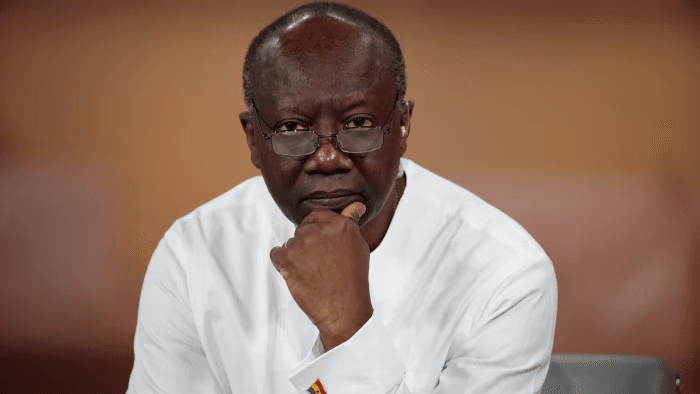
In a development that crosses continents and courtrooms, Ghana’s former Finance Minister Kenneth Nana Yaw Ofori-Atta is now the subject of two parallel legal proceedings inside the United States — while a third case involving him and seven other accused persons continues to inch forward at the Accra High Court back home.
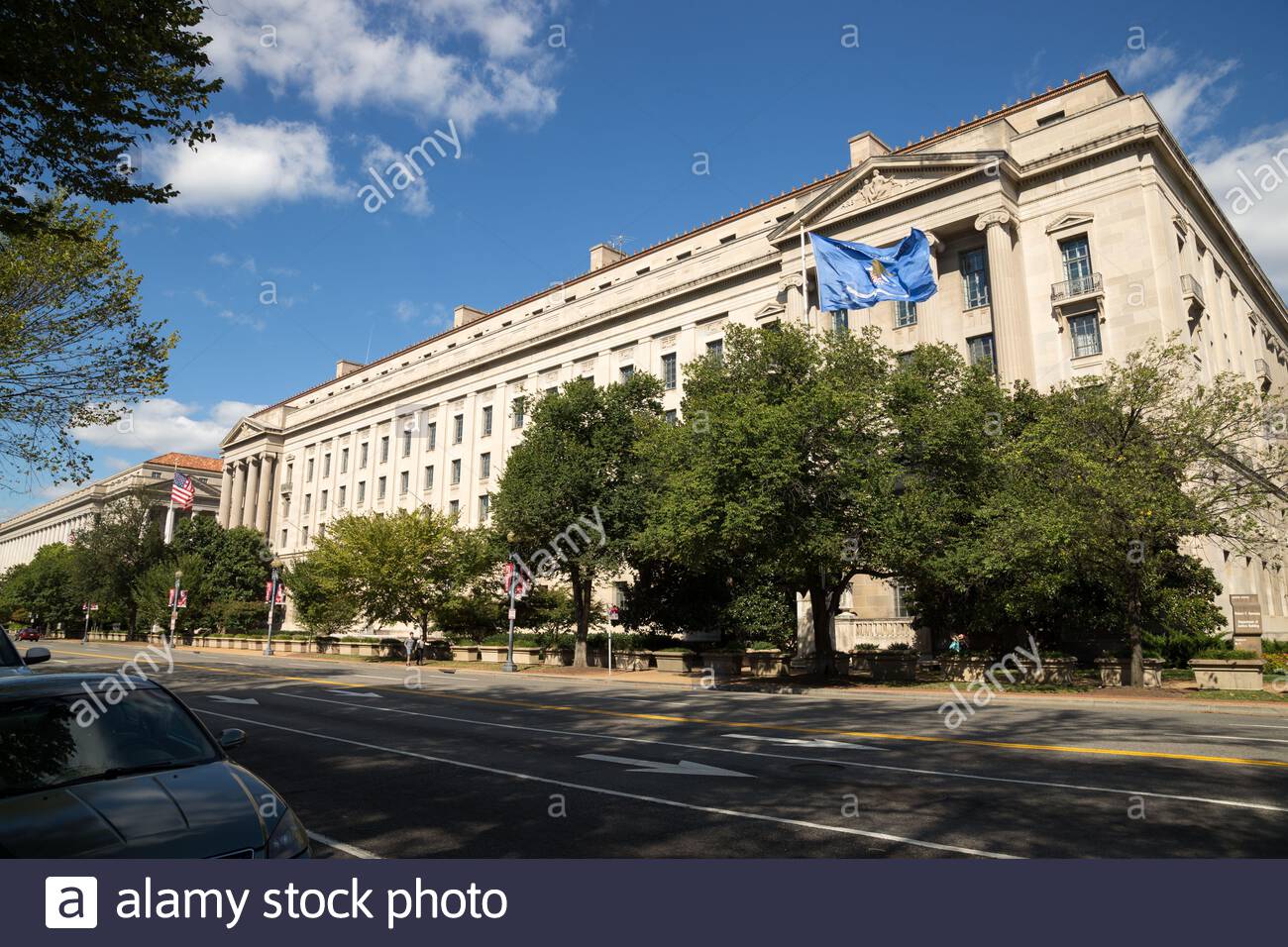
The most significant update came on February 26, 2026, when Ghana’s Office of the Special Prosecutor (OSP), led by Kissi Agyebeng, confirmed in open court that the United States Department of Justice (DOJ) has formally acknowledged receipt of Ghana’s extradition package. It is a breakthrough moment in a case that has gripped Ghanaian politics for months — and a signal that the machinery of international justice is now fully engaged.
“Regarding Mr Ofori-Atta, the DOJ confirmed receipt of the extradition packet and indicated that the summons and charge sheet have been transmitted.” — Office of the Special Prosecutor, Ghana
⚖ CASE AT A GLANCE
▸ Accused: Kenneth Nana Yaw Ofori-Atta (Former Finance Minister) + 7 others
▸ Charges: 75 counts — corruption, procurement breaches, causing financial loss to the state
▸ Alleged loss: GH¢1,436,249,828.53 (~GH¢1.4 billion) to the Ghanaian state
▸ Contracts involved: SML revenue assurance contract, National Cathedral project, ambulance procurement, ECG contracts
▸ US arrest date: January 6, 2026 — apprehended by ICE and FBI agents in Washington, D.C.
▸ US detention: Caroline Detention Facility, Bowling Green, Virginia
▸ DOJ confirmation: February 26, 2026 — DOJ acknowledged receipt of extradition papers
▸ Next Ghana court date: March 26, 2026 — Accra High Court
Two Courtrooms, Two Countries: How Did We Get Here?
Ofori-Atta served as Ghana’s Finance Minister from 2017 to 2023 under former President Nana Addo Dankwa Akufo-Addo. In early 2025, following the NDC’s victory in the 2024 general elections and the inauguration of President John Mahama, Ghana’s OSP began closing in on what it describes as a systematic abuse of public office.
The OSP formally charged Ofori-Atta and seven co-accused on November 18, 2025 — 75 counts in total, after an amendment reduced the original charge sheet from 78. The charges are rooted primarily in the Strategic Mobilisation Limited (SML) contract, a revenue assurance arrangement with the Ghana Revenue Authority (GRA). Prosecutors allege that SML — the eighth accused in the case — was awarded contracts despite no genuine need for its services, with the arrangement engineered through what they describe as “self-serving patronage” and “false and unverified claims.”
Ofori-Atta, for his part, had traveled to the United States in early 2025 for medical treatment of a chronic liver condition. His legal team argued he was not a fugitive — a claim the OSP directly contested. By June 2025, Ghana had secured a judicial arrest warrant and placed Ofori-Atta on Interpol’s Red Notice list. His visa was revoked by the US State Department the same month.
On January 6, 2026 — a date heavy with symbolism — ICE agents, assisted by the FBI, arrested Ofori-Atta at a luxury apartment complex in Washington, D.C. at approximately 11:00 AM. He has been held at the Caroline Detention Facility in Bowling Green, Virginia ever since. In a striking diplomatic move, Ofori-Atta formally declined consular assistance from the Ghana Embassy in Washington, opting to rely entirely on his private legal team.
The Two US Proceedings — What They Mean
As of February 26, 2026, Ofori-Atta faces two distinct legal challenges on American soil. The first — immigration violation proceedings — began in January 2026 following his arrest. His defense attorneys, led by Frank Davies, argue that Ofori-Atta was in the US legitimately for medical reasons and that the visa revocation was politically motivated rather than procedurally sound. His legal team is simultaneously pursuing an “adjustment of status” petition to grant him lawful US residency.
The second — and far more consequential — is the formal extradition proceeding, which began this week. Ghana’s Ministry of Foreign Affairs informed the Attorney-General that the DOJ has now confirmed receipt of the extradition package. The summons and charge sheet have also been transmitted directly to Ofori-Atta. A key legal hurdle remains: US courts must determine whether the alleged offences meet the “dual criminality” requirement — meaning the acts in question must constitute a prosecutable crime under American law as well as Ghanaian law.
In a complicating subplot, INTERPOL permanently removed its Red Notice against Ofori-Atta on February 13, 2026 — citing a violation of “political neutrality” rules, and pointing to what the body described as “polarized political statements” from Ghanaian officials. The move was seen as a setback for the prosecution, though it does not affect the US extradition proceedings, which operate independently.
The Fate of Akore — A Dual Citizen Complication
Ofori-Atta is not the only accused person outside Ghana. Ernest Darko Akore, a former aide and chief of staff to the ex-Finance Minister, is also the subject of an extradition request filed by the OSP on November 19, 2025. Akore holds dual Ghanaian and US citizenship — a fact that has created a legal grey area for US authorities.
In court on February 26, the Special Prosecutor revealed that the DOJ had reached out to Ghana’s OSP for guidance: should US Marshals arrest Akore before serving him with a summons, or serve the summons first? The OSP advised that US authorities should adopt “the most expedient and judicious approach available under their laws.”
The question may appear procedural, but it has significant implications. Dual citizenship can complicate extradition treaties and give defendants additional legal avenues to resist forced return. The OSP is clearly aware of these challenges — which is why it publicly advised US authorities to move swiftly.
What This Means for Ghana — and the Diaspora
The SML/GRA case is more than a courtroom drama. It sits at the heart of Ghana’s Operation Recover All Loots (ORAL) — the Mahama administration’s flagship anti-corruption initiative launched in the wake of the 2024 election. For ordinary Ghanaians, the GH¢1.4 billion allegedly lost represents schools not built, hospitals not equipped, and roads not repaired.
For Ghanaians in the diaspora — particularly the large community in the United States — this case lands close to home in a very literal sense. The allegations involve US authorities, a detention facility on American soil, FBI involvement, and the machinery of the US Department of Justice. Many diaspora Ghanaians have followed this case closely on social media and in community spaces, with strong and often divided opinions about whether this is justice being served or political persecution by the incoming NDC administration.
What is undeniable is that the extradition process is now formally underway. The next hearing at the Accra High Court is scheduled for March 26, 2026. What happens in the Virginia courtroom — and in the corridors of the DOJ — will determine whether Ghana’s most high-profile corruption case results in a full trial, or remains stalled on foreign soil.