Ghana FDA Orders All Alcoholic Energy Drinks Off Shelves by March 31 — Science and Regional Precedent Drive the Ban
In a sweeping consumer protection move, Ghana's Food and Drugs Authority has banned the sale of any drink that mixes alcohol with stimulants including caffeine, ginseng, and guarana. Importers have until March 31 to comply voluntarily — after which regulatory sanctions kick in.

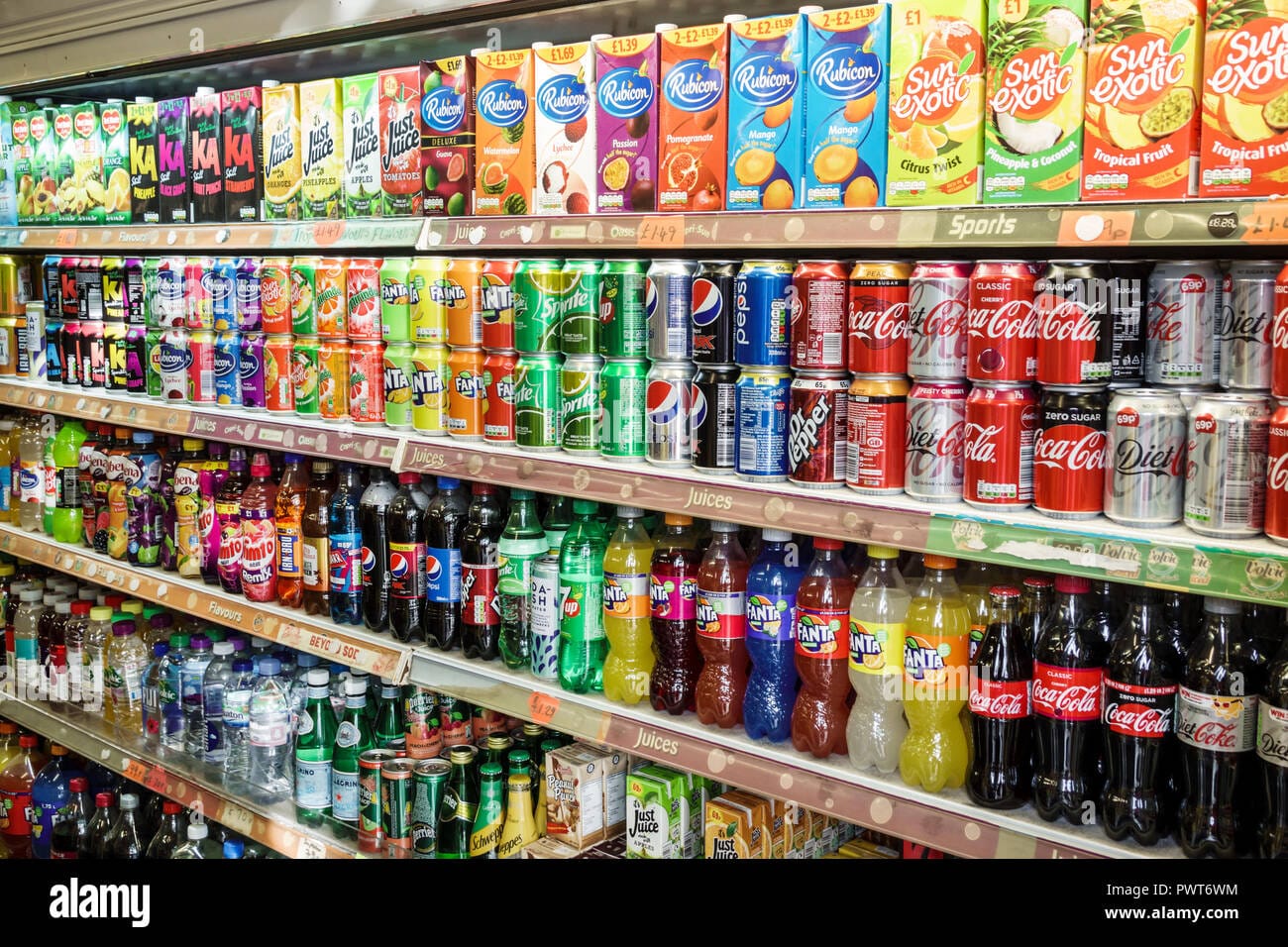
Ghana’s Food and Drugs Authority has issued a directive that will clear a popular product category from the country’s retail shelves: mixed drinks that combine alcohol with stimulant substances. In a public notice issued on February 25, 2026, the FDA directed all importers, manufacturers, and distributors to remove such products from the Ghanaian market by the end of March 2026 — after which non-compliant products will face regulatory sanctions including forced withdrawal.
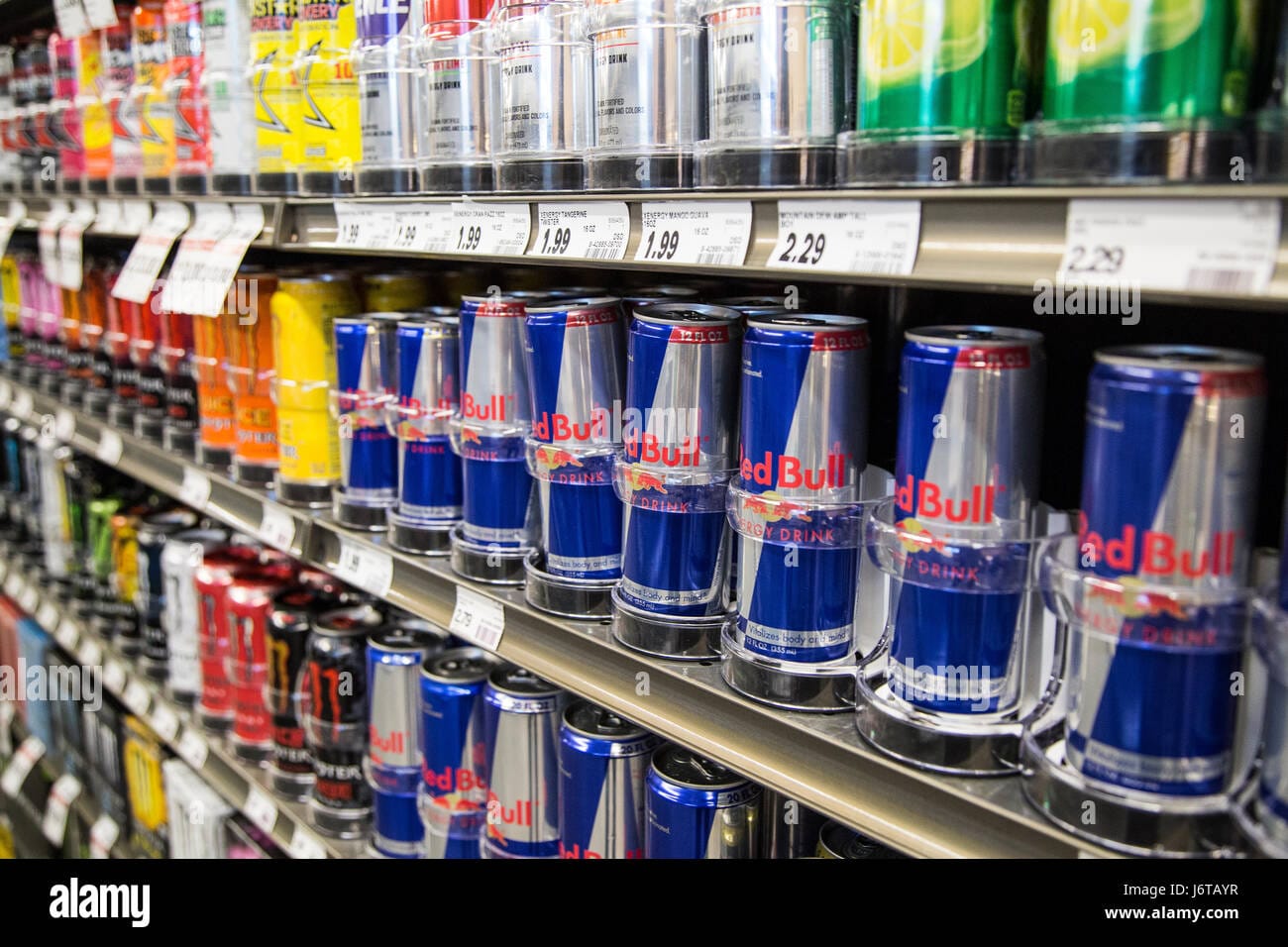
The affected products include any beverage that blends depressant substances such as alcohol with stimulants including caffeine, inositol, glucuronolactone, ginseng, and guarana. These are the core ingredients of the category commonly known as alcoholic energy drinks — products that have grown in popularity among Ghana’s youth market in recent years.
“Growing scientific and public health evidence links the combined consumption of alcohol and stimulants to serious health risks and adverse psychosocial behaviours, particularly among youth and young adults.” — FDA Ghana Public Notice, February 25, 2026
Why These Drinks Are Dangerous
The danger of mixing alcohol with stimulants lies in the competing physiological effects. Alcohol is a central nervous system depressant — it slows reaction time, impairs judgment, and induces fatigue. Stimulants such as caffeine work in the opposite direction, masking the sedative effects of alcohol and creating a false sense of alertness that can lead consumers to underestimate their level of intoxication. The result is that people may consume more alcohol than they otherwise would, stay awake longer while impaired, and engage in riskier behaviour.
The FDA’s post-registration review was conducted under Sections 81 and 82(a) of the Public Health Act, 2012 (Act 851) and was evaluated by the FDA’s Food Expert Committee and Technical Advisory Committee on Food Safety and Nutrition. The Authority cited international and regional regulatory precedents, noting that several countries have either restricted, suspended, or outright banned these products. The US Food and Drug Administration banned caffeinated alcoholic beverages from the US market in 2010, and a number of European and African countries have followed with varying degrees of restriction.
The Compliance Timeline
Companies have been given until March 31, 2026 to voluntarily clear their affected stock without penalty — a grace period designed to allow orderly removal from shelves, warehouses, and distribution networks without disrupting supply chains unnecessarily. After that date, any mixed drink products found in circulation will be subject to immediate withdrawal and additional regulatory sanctions.
Manufacturers and producers have also been instructed to reformulate their products to conform to approved standards for alcoholic beverages and energy drinks as separate, distinct categories. This means the drinks can continue to exist — they simply cannot be combined. A brewer can sell beer; an energy drink company can sell caffeinated beverages. The specific product that puts both in the same can is what the FDA has banned.
Consumer Advice — What to Do
Consumers currently holding or consuming these products should note that the FDA has not issued any health emergency or recall of products already purchased — the directive applies to future market availability. However, the FDA has urged the public to remain vigilant and report any suspicious or non-compliant products spotted on shelves after the March 31 deadline. Reports can be made via the FDA’s website fdaghana.gov.gh, email fda@fda.gov.gh, or phone 0551112224/5.