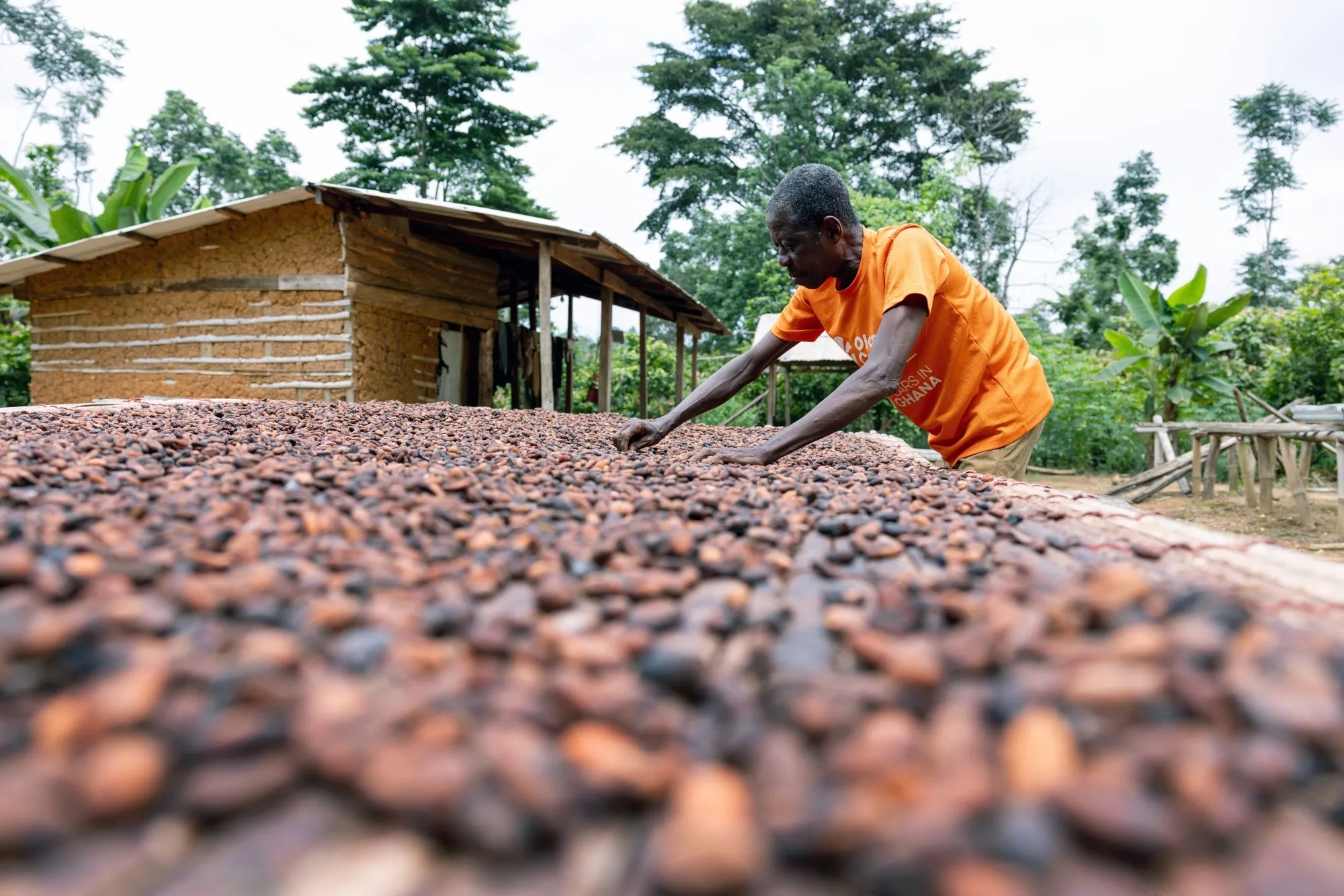
Mahama Cuts Sod for $250M KEDA Float Glass Factory in Shama
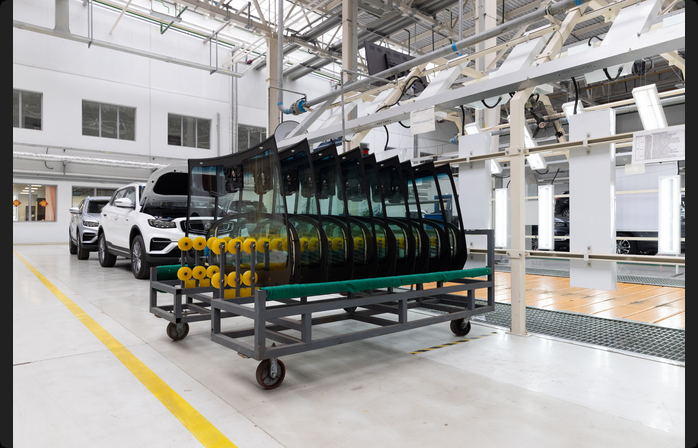
President John Dramani Mahama has broken ground on a major $250 million float glass manufacturing facility in Shama, developed by KEDA (Ghana) Ceramics Company Limited. The project marks one of Ghana's largest recent industrial investments and aims to transform the country into a significant glass producer on the continent.

Shama, Western Region – February 26, 2026
The sod-cutting ceremony on February 24 also included inaugurating Phase 5 of KEDA’s tile production line and commissioning a modern sanitary ware factory. Phase 1 of the glass plant targets completion by August 2026, with full operations delivering up to 1,400 tons of glass daily across two phases (600 tons in Phase 1, plus 800 tons in Phase 2).
The sod-cutting ceremony on February 24 also included inaugurating Phase 5 of KEDA’s tile production line and commissioning a modern sanitary ware factory. Phase 1 of the glass plant targets completion by August 2026, with full operations delivering up to 1,400 tons of glass daily across two phases (600 tons in Phase 1, plus 800 tons in Phase 2).
President Mahama described the initiative as proof of Ghana’s industrial resurgence, emphasizing reduced import dependence, foreign exchange savings, stronger supply chains, and future exports to Africa, Europe, and beyond. Annual export earnings could reach around $100 million once fully operational.
The facility is expected to generate over 2,000 direct jobs (including 729 during construction and 1,453 permanent roles), plus thousands more indirectly through supply chains and related services.
This push aligns with the government’s 24-hour economy agenda and broader industrialization goals. By tapping local resources and advanced technology, the plant will supply construction, automotive, beverage, and pharmaceutical sectors—cutting Ghana’s heavy reliance on imported glass.
For everyday Ghanaians, it means more stable jobs in the Western Region, cheaper local packaging for products like drinks and medicines, and a step toward self-reliance in manufacturing.
The diaspora and international partners see fresh opportunities in a growing West African industrial hub.
With construction underway, this $250 million venture signals real momentum in Ghana’s drive to build, produce, and export more.